Reviewed · KUTA TOURS
Discover Balinese Mystic & Death Ritual in Bali
Trunyan Cemetery is the heart of this experience, and it offers a rare look at a Balinese death custom that differs sharply from the island’s better-known cremation ceremonies. After a cleansing ritual, bodies are placed in bamboo cages rather than cremated. I like that the visit pairs this difficult subject with Bayung Gede’s unusual birth traditions, giving you a fuller picture of how some Balinese communities mark both the beginning and end of life.
I also like the private format. You can shape the pace around your interests, and guides such as Mertha and Ah Gung have been praised for explaining local customs with patience and care. The main drawback is the day’s long travel time, especially from northern Bali. Reaching Trunyan includes a boat trip, and the mountain roads can be narrow, winding, and slow.
In This Review
- Key points to know before booking
- Why Trunyan changes the usual Bali story
- The speedboat crossing to Trunyan Cemetery
- Bayung Gede and the hanging placentas
- Kintamani’s volcano and lake view
- Kehen Temple and the steps of heaven
- Penglipuran Bamboo Forest and village design
- What the $81.80 price covers
- The long day, the roads, and the physical demands
- Guides, explanations, and the tone of the visit
- Who should book this private Bali culture tour?
- Should you book it?
- FAQ
- How long does the tour last?
- Where is the tour located?
- Is the tour private?
- Is the speedboat ride included?
- Is lunch included?
- What is visited during the tour?
- Are admission fees included?
- Can I cancel for a full refund?
Key points to know before booking
- Trunyan requires a boat ride: Reaching the cemetery includes a speedboat crossing, with the ride taking about 30 minutes in one direction from the lake area.
- Birth and death customs share the same day: Bayung Gede adds a striking contrast, with newborn placentas placed in hanging coconut shells.
- The tour is private: Only your group participates, and the route can be adjusted to suit your interests.
- Five major stops fill the day: Plan on roughly 8 to 10 hours, including Trunyan, Bayung Gede, Kintamani, Kehen Temple, and Penglipuran.
- Lunch is not included: Bottled water, transport, fuel, parking, the boat, and admission or donation fees are covered, but you pay for lunch.
- This is best for curious, culturally minded visitors: Some customs are unusual and may feel confronting, so reading about them first is wise.
Why Trunyan changes the usual Bali story
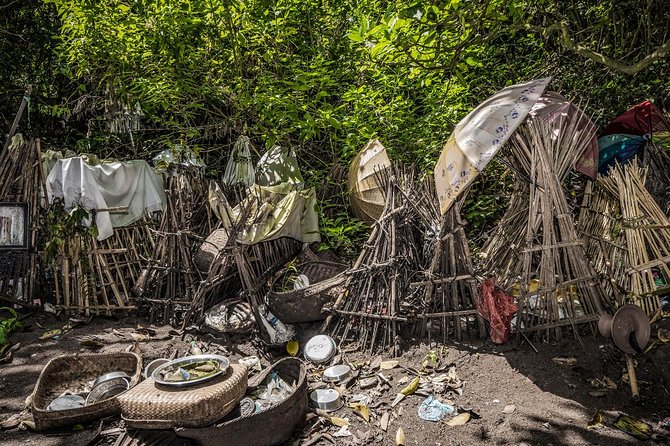
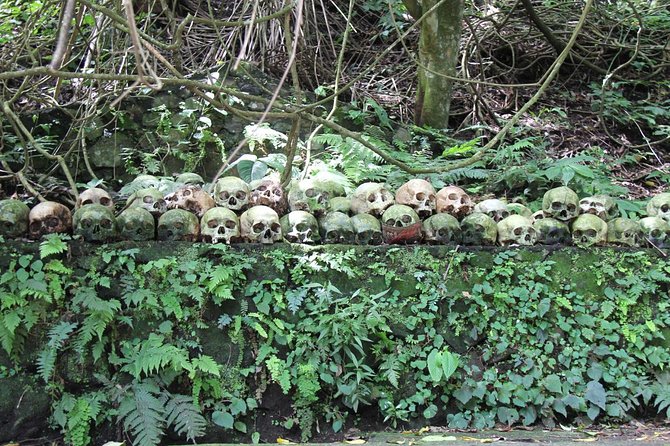
Many first-time visitors meet Bali through temples, rice fields, dance, and cremation ceremonies. Trunyan offers a different view. The village is known for a traditional funeral practice in which the dead are cleansed and placed inside bamboo cages instead of being cremated.
The cemetery is reached by speedboat, which gives the outing a strong sense of separation from the busy resort areas. The crossing takes time, but it is also part of what makes the visit feel different from a standard temple stop. You are not simply stepping off a tour vehicle beside a roadside attraction.
At the cemetery, the subject is death, and the setting may feel stark. This is not a polished cultural show designed for easy entertainment. You may see human remains and burial structures, so you should be comfortable with that before booking. The tour information specifically advises reading and researching the subject in advance, and I agree.
A good guide matters here. Mertha has been praised for being friendly, helpful, and clear in his explanations. Ah Gung has also been singled out for patiently explaining the culture and practices of the local community. Because the customs may be unfamiliar, a careful guide can help you understand what you are seeing without reducing it to something strange or sensational.
Other Kuta days people book alongside this one:
- Nusa Penida day trip: boat, 4 snorkeling, Manta rays & Land tour
★ 5.0 · 2,033 reviews - Bali Nusa Penida West Private All-Inclusive Tour
★ 5.0 · 1,277 reviews - Mount Batur Sunrise Trekking Private Tour with Breakfast and Hotel Transfer
★ 5.0 · 885 reviews
The speedboat crossing to Trunyan Cemetery
The boat is not an optional extra. It is included in the price and forms a practical part of the route to Trunyan. You first reach the lake area by road, then continue by boat to the cemetery.
The journey can be tiring. From Lovina, the drive to the lake area has been described as about three hours on narrow, winding mountain roads, followed by a roughly 30-minute boat ride each way. The exact drive time depends on pickup location and road conditions, but the larger point is clear: this is a full-day outing, not a quick side trip.
If you are staying in Kuta, the tour summary lists Kuta as the location and pickup as available. Still, ask for the expected pickup time and total driving time before you commit. Bali’s traffic can make a route look short on a map while taking much longer in practice.
The private, air-conditioned vehicle helps. Bottled water is also supplied, and fuel and parking fees are included. You will still want light clothing, sun protection, and a calm attitude toward long stretches on the road.
Bayung Gede and the hanging placentas
Bayung Gede provides the tour’s most striking contrast. The village is described as one of Bali’s oldest, and local tradition considers it the parent of other ancient villages on the island.
The feature most people come to see is the treatment of newborn placentas. In Bayung Gede, placentas are placed in hanging coconut shells. It is an unusual custom, and it gives the village visit a clear focus rather than leaving you to wander without context.
This stop works best when you approach it as a cultural visit, not as a curiosity hunt. Ask your guide to explain the meaning behind the practice and how it fits into local beliefs. The tour is designed to introduce you to traditional customs, and the private format should make it easier to ask respectful questions.
You spend about an hour here. Admission is listed as free, though the overall tour includes admission and donation fees at relevant sites. The village stop is also a useful pause between the boat excursion and the temple visits.
Kintamani’s volcano and lake view
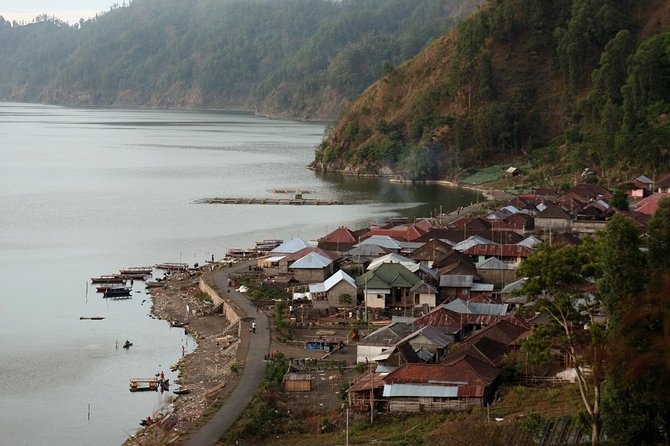
Kintamani is a short stop, about 30 minutes, but it adds one of Bali’s best-known highland views to a day focused on living culture and ritual. From the plateau, you can see Mount Batur and Lake Batur.
Do not treat this as a long sightseeing session. Thirty minutes gives you time to stop, take in the view, and photograph the volcanic setting, but not to explore the wider area in depth. Its value comes from the change of pace and the chance to place Trunyan on a larger map of Bali’s highlands.
The stop also helps explain why the route takes so long. This is not a compact cluster of nearby attractions. You are crossing mountain roads, lake country, villages, and temple grounds in one day.
Same island, a completely different day out:
- Individual Bali Day Trip with Private Driver and Free WiFi
★ 5.0 · 755 reviews - Waterbom Bali Tickets – Single Day Pass
★ 4.5 · 620 reviews - Private Tour Mount Batur Sunrise Trekking and Natural Hot Spring
★ 5.0 · 431 reviews - Private Tour Bali Beaches and Uluwatu Temple with Dinner
★ 5.0 · 363 reviews
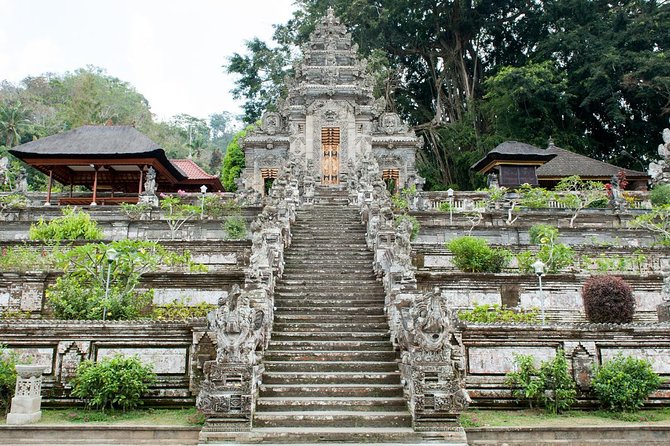
Kehen Temple and the steps of heaven
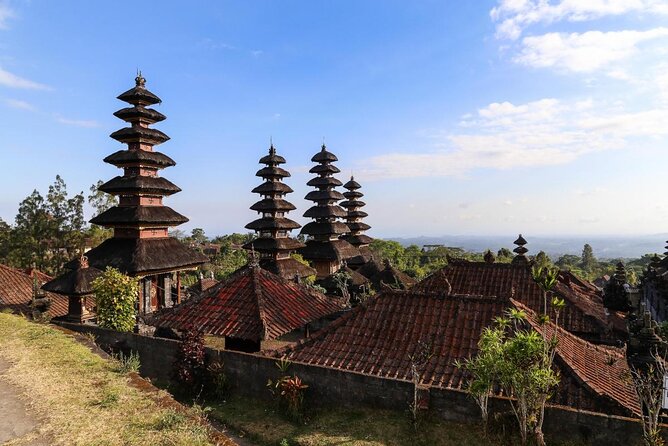
Kehen Temple is the day’s main temple visit. The feature highlighted here is its famous steps of heaven, which give the approach a strong visual character.
You should expect a one-hour stop. Admission is included, and donation fees are covered as part of the tour. As with any temple visit, listen to your guide about local customs and dress expectations. The available information does not specify a required dress code, so ask before departure if you want to prepare properly.
Kehen works well after Trunyan and Bayung Gede because it brings the day toward a more familiar form of Balinese culture. You see a sacred site rather than a cemetery or village custom, but the focus remains on belief, ritual, and the way local communities organize daily life around those ideas.
Penglipuran Bamboo Forest and village design
The final listed stop is Penglipuran Bamboo Forest, paired with an old village known for its architecture, social system, and belief system. You spend about an hour here.
The village gives you something concrete to observe. Instead of hearing only about customs, you can look at how homes, paths, bamboo, and community spaces fit together. The stop is less confronting than Trunyan and less unusual than Bayung Gede, which makes it a comfortable final chapter for the day.
The phrase unique architecture should not lead you to expect a large museum or a formal performance. The appeal is the village itself and the chance to see a traditional settlement presented as part of everyday cultural life. Your guide can help connect the physical layout with the social practices that shape the community.
What the $81.80 price covers
At about $81.80 per person, the price needs to be judged against what is included and how many people are in your group. This is a private tour, so you are not sharing the day with a large mixed party. The vehicle is air-conditioned, and the price includes fuel, parking, bottled water, the speedboat, and admission or donation fees.
That package removes several small costs that can otherwise add up. You do not need to arrange a separate boat, pay parking charges at each stop, or keep cash ready for every listed admission. The guide and driver are also part of the private arrangement, though the available details do not state the exact group-size limit.
Lunch is extra. Since the day lasts 8 to 10 hours, budget for a meal in addition to the advertised price. The description does not identify the restaurant or lunch menu, so ask your operator where the meal stop falls and what payment methods are accepted.
The value is strongest if you care about traditional culture and want a flexible private day. It is weaker if you dislike long drives or want to spend most of your time walking around one site. The tour covers a lot, but the trade-off is time spent in the vehicle and boat.
The long day, the roads, and the physical demands
The tour is listed as lasting about 8 to 10 hours. That estimate includes several stops, a boat ride, and substantial driving. From Lovina, the route has been described as involving around three hours by car to the lake area, followed by the boat crossing. Pickup from other parts of Bali may change the timing.
The roads can be narrow, steep, winding, and slow. If you get carsick, bring whatever normally helps you, though the tour data does not list a specific motion-sickness service or vehicle feature beyond air-conditioning.
Most people can participate, but the experience is not ideal for someone who wants a relaxed, short excursion. You should also consider the boat ride, the remote cemetery setting, and the emotional weight of the subject. The operator states that the experience is not recommended for women during their menstrual period. If that applies to you, confirm the policy and cultural reason directly before booking.
The private format is a real advantage. You can ask for more explanation at Bayung Gede, spend less time at a viewpoint, or adjust the rhythm where possible. The route is customizable, but the listed stops and the boat crossing mean there are practical limits to how much you can shorten the day.
Guides, explanations, and the tone of the visit
The strongest part of a tour like this is not simply reaching the cemetery. It is understanding why the community follows these customs and how local beliefs shape them.
Mertha is described as friendly, helpful, and well informed about the route. Ah Gung is noted for patiently explaining the culture and practices of the local community. Guide assignments may vary, so you may not receive either guide, but these names give you a useful sense of what to look for: clear explanations, patience, and respect for sensitive subjects.
I would ask direct questions, but avoid treating the people and customs as a spectacle. The most worthwhile moments are likely to come when your guide explains the difference between what you see in Trunyan and what happens elsewhere in Bali, or connects the birth ritual in Bayung Gede with wider Balinese ideas about family and community.
The tour description also says you may meet Balinese priests and healers. Their availability is not guaranteed in the supplied details, so regard this as a possible part of the experience rather than a fixed appointment.
Who should book this private Bali culture tour?
I would recommend it to you if you want something far removed from a standard beach-and-temple day. It suits people who are curious about birth, death, village life, and belief systems, and who are willing to spend much of a day on the road to see places that are not on every Bali schedule.
It is especially useful for a small private group with shared interests. You can discuss the subject at your own pace, ask sensitive questions without a bus full of strangers, and adjust the balance between cultural stops and viewpoints.
I would be cautious about booking it if you have limited time in Bali, dislike winding mountain roads, or feel uncomfortable seeing human remains. The title promises a mystical experience, but the reality is more serious and cultural than theatrical. Go for insight, not a staged ghost story.
Confirmation is provided at booking, and free cancellation is available if you cancel at least 24 hours before the start time. Changes or cancellations within 24 hours are not accepted for a refund. Pickup is offered, but confirm the pickup area and schedule before paying.
Should you book it?
Book this tour if Trunyan’s burial practice and Bayung Gede’s placenta tradition genuinely interest you. The boat ride, private vehicle, guide, and included fees make the $81.80 price reasonable for a full day, provided you accept the long travel time and pay separately for lunch.
Skip it if your ideal Bali outing means minimal driving, easy roads, or a polished attraction. For the right person, this is an unusual and thoughtful look at Bali’s living traditions. For the wrong person, it is simply a very long day with a difficult subject at its center.
FAQ
How long does the tour last?
The experience lasts approximately 8 to 10 hours.
Where is the tour located?
The tour is listed in Kuta, Indonesia, with pickup offered.
Is the tour private?
Yes. Only your group participates in the activity, and the tour can be customized to suit your needs.
Is the speedboat ride included?
Yes. The speedboat is included in the tour price.
Is lunch included?
No. Lunch costs extra, along with other personal expenses.
What is visited during the tour?
The route includes Trunyan Cemetery, Bayung Gede, the Kintamani Plateau, Kehen Temple, and Penglipuran Bamboo Forest.
Are admission fees included?
Yes. Admission and donation fees are included, along with parking fees, fuel surcharge, bottled water, and transport.
Can I cancel for a full refund?
You can cancel for a full refund if you do so at least 24 hours before the experience start time. Cancellations or changes made within 24 hours are not refunded.
Just added around Kuta
- Your Fragrance Selection: Bali Perfume Workshop and Creations★ 5.0 · 3 reviews
- Nusa Penida 4 Spot Snorkeling with Manta and Island Tour★ 4.5 · 11 reviews
- Premium White Water Rafting and Jungle Buggies in Bali★ 4.0 · 15 reviews
- Ubud Highlights Rice Terraces, Temple, Waterfall & Monkeys forest★ 5.0 · 23 reviews
- Experience West Nusa Penida Private Tour★ 4.5 · 14 reviews
- Indonesia: Waterbom Bali Entry Ticket★ 4.5 · 6 reviews
- West Nusa Penida Day Trip★ 5.0 · 8 reviews
- Waterbom Bali Tickets – Single Day Pass★ 5.0 · 5 reviews
Kuta Tours, compared.

Nusa Penida day trip: boat, 4 snorkeling, Manta rays & Land tour
Read our review →
Bali Nusa Penida West Private All-Inclusive Tour
Read our review →
Individual Bali Day Trip with Private Driver and Free WiFi
Read our review →
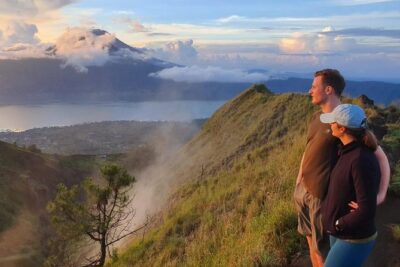
Private Tour Mount Batur Sunrise Trekking and Natural Hot Spring
Read our review →
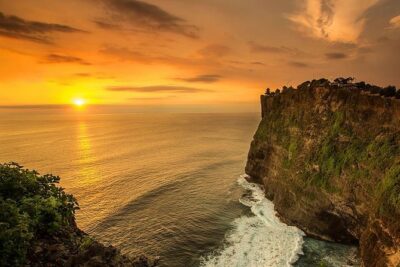
Private Tour Bali Beaches and Uluwatu Temple with Dinner
Read our review →