
Reviewed · UBUD TOURS
Meditate with a Shaman
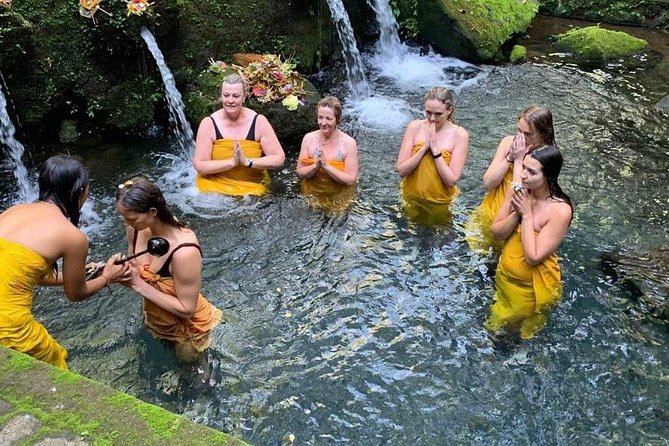
Mengening Temple is the heart of this experience. You arrive early, before the site fills, and take part in a Balinese water purification ritual guided by your local host. I like the quiet setting and the chance to learn what the ceremony means, rather than simply posing for temple photos. I also like the small group, capped at eight, which gives you room to ask questions and take the ritual at your own pace.
The second half is just as unusual: a visit to a traditional healer who usually serves Balinese people. A guide such as Ena, Anna, or Putu translates as the healer reads your palm, considers your birth date, and offers personal guidance. The main caution is that this is a spiritual experience, not a guaranteed prediction or medical service, and women cannot enter the water temple during their period.
In This Review
- Key points at a glance
- Why this Ubud experience feels different
- Mengening Temple before the crowds
- What the purification ritual asks of you
- Breakfast gives the morning a welcome pause
- Meeting the traditional healer around 11 a.m.
- A small group makes the logistics easier
- What the $99.27 price is buying
- Who should book this day
- Useful preparation before pickup
- Should you book Meditate with a Shaman?
- FAQ
- Where does the experience take place?
- What time does the experience start?
- How long does the experience last?
- What should I bring to the water temple?
- Can women take part while menstruating?
- How many people can join the experience?
- Will the healer speak English?
- What happens if bad weather cancels the experience?
Key points at a glance
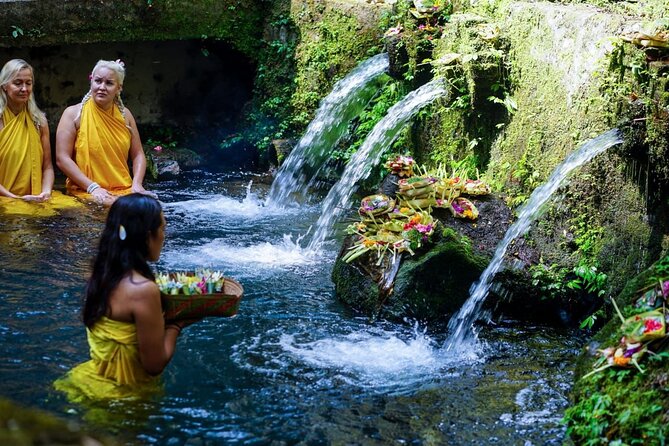
- Dawn at Mengening Temple: Take part in a cleansing ritual at a quieter water temple whose name means stillness.
- A healer rarely seen by visitors: Meet a local shaman at her home, with your guide translating the conversation.
- Small-group setting: No more than eight people join, making it easier to ask questions and have personal time.
- Ubud hotel pickup: Transfers begin around 6 to 7 a.m. and the day usually ends back in Ubud around 2 p.m.
- Bring the right clothing: Pack swimwear and your own towel for the water ritual.
- A day with real emotional weight: The experience suits people seeking reflection and cultural understanding more than a fast sightseeing stop.
Why this Ubud experience feels different
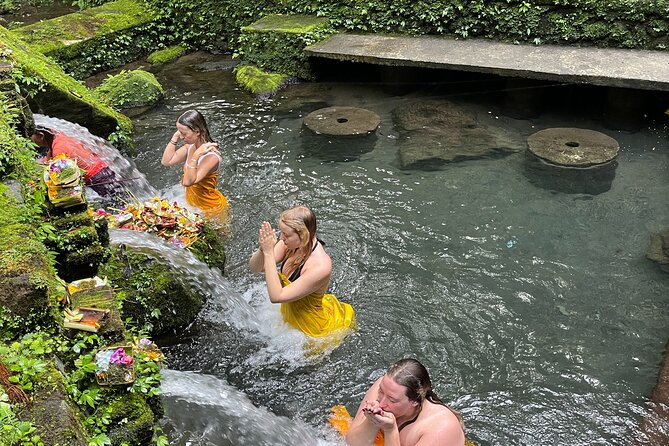
Many Ubud activities take you to temples, rice fields, or craft workshops for a quick look and a few photographs. This day asks you to slow down and take part in a ritual, then sit with a healer who offers a personal reading through a translator.
That difference matters. The experience is built around participation, silence, questions, and reflection. You are not simply watching Balinese religious practice from the edge. You are given an explanation of the ceremony and a chance to consider what the ritual means to you.
The day also avoids the feel of a large coach outing. With a maximum of eight people, the guide can explain details as they come up. Previous guides have included Ena, Anna, and Putu, and the personal care of the guides is one of the strongest parts of the experience. Drivers also help with photographs and the transfers between stops.
You should come with an open mind, but also with sensible expectations. The healer’s reading may feel striking or deeply personal, yet it remains a spiritual interpretation. I would not book this as a substitute for professional health, legal, or financial advice. Book it for the setting, the ritual, the conversation, and the chance to reflect.
Other Ubud days people book alongside this one:
- All-Inclusive Ubud Private Tour
★ 5.0 · 14,344 reviews - Best of Ubud Full-Day Tour with Jungle Swing
★ 5.0 · 8,571 reviews - Ubud: Monkey Forest, Jungle Swing, Rice Terrace, and Water Temple
★ 5.0 · 7,160 reviews
Mengening Temple before the crowds
Pickup takes place around 6 to 7 a.m., with a listed start time of 7 a.m. The early departure is useful for two reasons: the temple is calmer, and you have more time for the ritual without spending the morning in traffic or waiting behind large groups.
Mengening means stillness, an apt name for the first stop. The temple is described as less visited than the water sites most often placed on a Bali sightseeing schedule. Arriving early, you might find only a few local worshippers nearby, giving the ceremony a quiet setting.
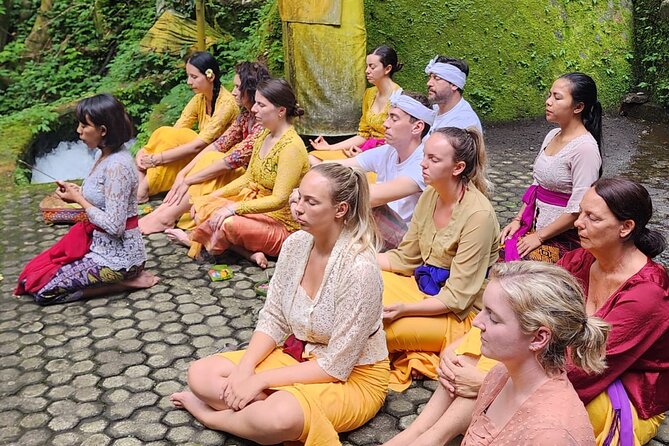
Your guide explains the religious customs before you enter the water. This is important because the ritual is not just a bath. The stated purpose is to let go of what no longer serves you and to take in what helps you move forward. You can treat that as a formal Balinese cleansing practice, a personal meditation, or both.
The water ritual is known as melukat, a purification ceremony. Your guide helps you understand what to do and why each step matters. This turns the visit from a photo opportunity into a more respectful encounter with Balinese spirituality.
Bring swimwear and your own towel. The practical details are easy to overlook, especially when you leave your hotel before breakfast. Appropriate temple clothing may also be needed, so listen carefully to your guide’s instructions on arrival.
One firm restriction applies: women who are menstruating cannot take part at the water temple. If that could affect your plans, check the conditions before booking rather than discovering the restriction at pickup.
What the purification ritual asks of you
The ritual has a reflective side that may not suit everyone. You are encouraged to think about what you want to release and what you want to carry forward. That can feel meaningful if you are at a turning point, beginning a new chapter, or simply looking for a quiet morning away from Ubud’s busy streets.
It can also feel more serious than a typical half-day excursion. You may not enjoy it if you want constant entertainment, a loose schedule, or a purely sightseeing-focused outing. The guide’s role is especially important here. Hosts such as Ena and Putu have been praised for explaining Balinese culture and religious practice with patience and care.
Photography is possible, but it should not be the main reason you come. Drivers and guides may help take pictures, yet the most valuable part of the stop is the ritual itself. Put your phone away for at least part of the ceremony and allow the place to set the pace.
The experience is suitable for most people physically, but the water temple requirement and the spiritual subject matter are worth considering. You do not need to describe yourself as religious. You do need to be comfortable following local customs and participating respectfully.
Breakfast gives the morning a welcome pause
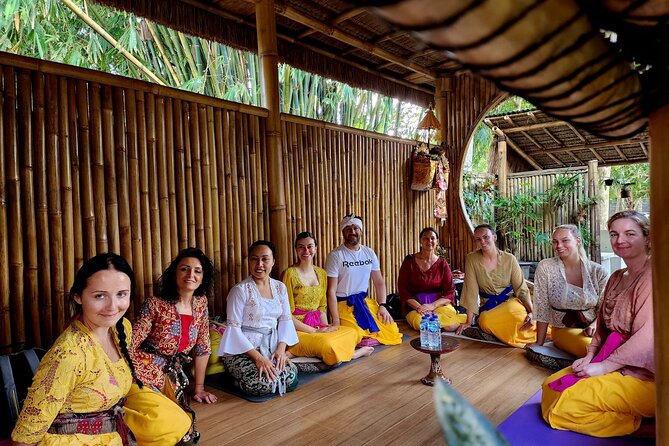
After the temple, you drive back toward Ubud for breakfast at a beautiful restaurant. Some descriptions call this breakfast, while the timing and personal accounts make it closer to a late breakfast or brunch.
This break is more than a meal between two activities. It gives you time to warm up, dry off, discuss the ceremony, and prepare for the healer visit. The restaurant has been described as offering vegan and gluten-free choices, a useful detail if you have dietary needs.
The setting also changes the rhythm of the day. The temple is quiet and ceremonial. The restaurant offers a more ordinary social pause before the personal reading. One memorable detail is the chance to learn how to make a small flower offering basket, a simple craft that connects daily Balinese worship with the objects you see around temples and homes.
The meal is included as part of the planned stop, but specific menu choices are not provided, so do not book this expecting a fixed tasting menu or a cooking class. Think of it as a pleasant breakfast break in a scenic setting.
Same island, a completely different day out:
- Best of Ubud 1-Day Private Tour
★ 5.0 · 4,451 reviews - Bali: Ubud Palace Legong Dance Show Ticket
★ 4.4 · 3,979 reviews - Uluwatu Sunset, Kecak Dance, and Dinner Jimbaran Beach
★ 5.0 · 3,681 reviews - Tanah Lot and North Bali Tour: Scenic Journey
★ 5.0 · 3,620 reviews
Meeting the traditional healer around 11 a.m.
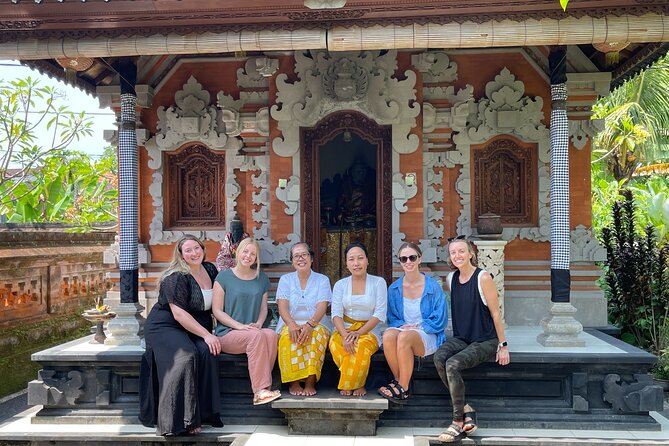
At about 11 a.m., you drive roughly 30 minutes to the healer’s house. The timing can shift depending on the group, and the entire outing usually finishes around 2 p.m. This is a long morning and early afternoon, so keep the rest of your day flexible.
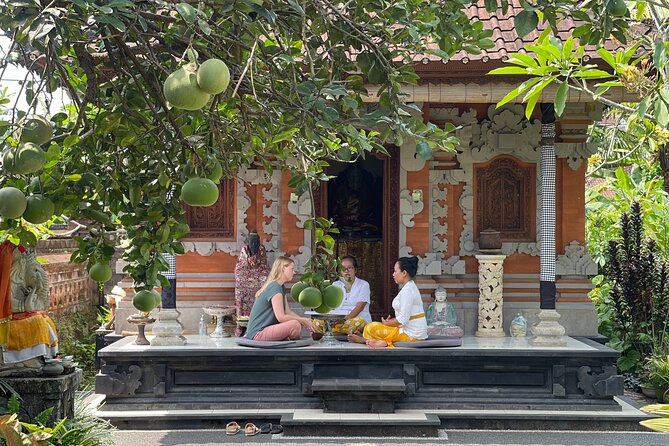
The healer normally sees Balinese people and does not speak English. Your guide acts as translator, which is central to the experience. Without that help, much of the reading would be inaccessible. The guide does not simply translate a few sentences. The conversation can include cultural context and explanations of what the healer is describing.
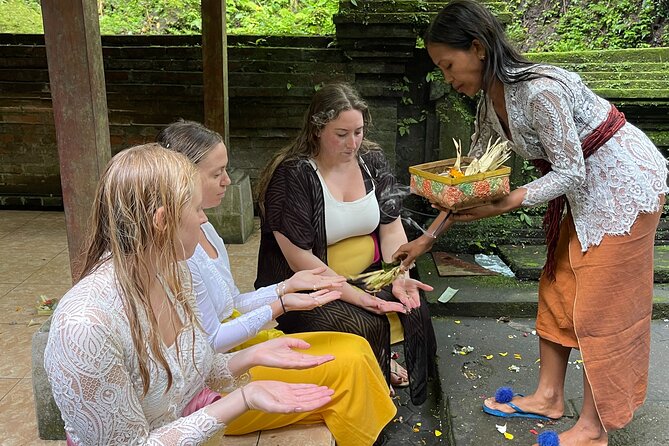
The reading may involve your palm and birth date, along with the healer’s sense of your personal energy. She then offers advice and direction about moving forward in life. The experience is personal by design, and people often find it emotional, calming, or thought-provoking.
You may be able to record the reading, and the guides have allowed this in past sessions. Ask first and follow the healer’s wishes. Recording can be useful because a translated reading may contain more information than you can remember in the moment.
Do not expect a stage performance or a standardized reading. The appeal is precisely that the visit takes place in a local setting and is translated for a small number of people. At the same time, the personal nature means your experience may not match someone else’s. A reading that feels precise to one person may feel general to another.
That is not a reason to dismiss the visit. It is a reason to approach it honestly. Let the healer’s words prompt reflection, but keep your own judgment. The best use of the session is to consider the advice, not to hand over control of your decisions.
A small group makes the logistics easier
The group limit of eight is one of the strongest practical features. A small party means less waiting at the temple, fewer people sharing the translator’s time, and a better chance to ask questions about the ritual.
It also makes the healer visit feel less like a public presentation. You may still share the experience with several other people, but the scale allows more personal attention than a large cultural excursion.
Pickup is offered from the Ubud area, and two-way transfers are part of the plan. That removes the need to arrange a driver for a distant temple and a private home visit. The route is not entirely free from Bali’s traffic problems, however. One participant had to arrange a short Grab or Gojek ride after the group could not be dropped directly at the hotel because of congestion.
That appears to be an occasional transport issue rather than the normal plan, but keep some cash available just in case. Also, confirm your pickup point carefully if you are staying outside the central Ubud area. The free pickup is specifically described as being around Ubud.
The day lasts about eight hours, beginning early and ending around 2 p.m. It is best placed on a morning when you have no fixed afternoon appointment. Traffic can change the return time, and the healer visit itself may run differently depending on the number of people in the group.
What the $99.27 price is buying
At $99.27 per person, this is not the cheapest way to visit a Balinese temple. You are paying for more than transport to a photo stop, though. The price covers a carefully arranged morning with hotel pickup, transfers, a temple ritual, a meal stop, guide translation, and access to a healer who normally does not work with English-speaking visitors.
The small group improves the value. A private outing would cost more, while a large group would likely feel less personal during the ceremony and reading. Here, the limit of eight gives you some of the benefits of a private experience without the full private price.
The cultural access is also important. You are not just looking at a temple from outside. You receive an explanation of the purification practice and translation during a conversation that would otherwise be difficult to follow.
I would consider the price fair if your main goal is a spiritual and cultural experience. It is less compelling if you want a standard Ubud sightseeing day with several famous landmarks, extensive free time, or a long list of included attractions. This outing spends most of its time on two meaningful encounters rather than many quick stops.
Who should book this day
I would suggest this experience to solo visitors, couples, and family members who want a quiet shared activity. One particularly appealing use is a parent and adult child traveling together. The ritual and healer visit give you something substantial to talk about afterward.
It also suits people beginning a personal meditation or spiritual practice. Several parts of the day encourage you to slow down and consider your direction. You do not need prior experience with meditation, though you should be willing to participate in a Balinese ceremony respectfully.
Solo women may appreciate the small group, guide support, and direct hotel transfer. The guide stays with you through the temple visit and translates at the healer’s home, which makes the experience easier to navigate.
I would skip it if you are looking for a busy sightseeing schedule, a guaranteed supernatural answer, or a casual swim. The purification ritual is religious and symbolic, and the healer’s reading is personal. It is not designed as entertainment on demand.
Useful preparation before pickup
Set out swimwear and a towel the night before. You will leave early, and the water ritual is the one part of the day that requires specific personal items.
Eat lightly or ask about the breakfast timing if you need food soon after waking. The scheduled meal comes after the temple, not before it, so the early start may be worth planning around.
Bring a phone or recorder only if you want to preserve the healer’s words, and ask permission before recording. Keep some cash available for unexpected transport needs, since traffic can occasionally prevent a direct hotel drop-off.
The experience requires good weather. If poor weather causes cancellation, you can choose another date or receive a full refund. You can also cancel without penalty up to 24 hours before the start time. Changes or cancellations inside that window are not accepted for a refund.
Should you book Meditate with a Shaman?
Book this if you want a small, personal day built around Balinese ritual, local guidance, and quiet reflection. The early visit to Mengening Temple, the careful translation, and the healer’s house visit give the experience a stronger cultural focus than a standard Ubud temple tour.
The best reason to choose it is the combination of access and scale. You get a less visited water temple, a guide who explains the ceremony, breakfast, and a rare chance to speak with a traditional healer, all without a large group.
Skip it if spiritual readings make you uncomfortable or if you need a tightly timed sightseeing schedule. For the right person, though, this is the kind of Bali experience that stays with you long after the towel has dried and the temple water is far behind you.
FAQ
Where does the experience take place?
The experience begins in the Ubud area with pickup from your hotel. You visit Mengening Temple, return toward Ubud for breakfast, and then drive about 30 minutes to the traditional healer’s house.
What time does the experience start?
The listed start time is 7:00 a.m. Pickup around Ubud takes place between approximately 6 and 7 a.m., depending on your location.
How long does the experience last?
The experience lasts about eight hours. It normally finishes and returns to Ubud around 2 p.m., though the timing can vary depending on group size and traffic.
What should I bring to the water temple?
Bring swimwear and your own towel. You should also follow your guide’s instructions about suitable temple clothing and behavior.
Can women take part while menstruating?
Women cannot enter the water temple during their period, so this experience is not recommended during that time.
How many people can join the experience?
The group is limited to a maximum of eight people.
Will the healer speak English?
The healer does not speak English. Your guide translates the conversation, including the reading and the healer’s advice.
What happens if bad weather cancels the experience?
If poor weather causes cancellation, you will be offered a different date or a full refund. Free cancellation is also available when you cancel at least 24 hours before the experience starts.
Just added around Ubud
- Bali Airport Pick-up to Ubud (Arrival Transfer)★ 5.0 · 4 reviews
- Bali Airport: One-Way Private Transfer To/From Hotel★ 5.0 · 25 reviews
- Munduk Car Hire with English Speaking Driver★ 5.0 · 14 reviews
- Bali Airport – Arrival Transfer★ 5.0 · 5 reviews
- Bali ATV Quad Bike and White Water Rafting – All Inclusive★ 5.0 · 7 reviews
- Bali ATV Ride Ubud Jungle Track★ 4.5 · 5 reviews
- Bali All Inclusive : Tlaga Singha Infinity Pool & Atv Adventure★ 5.0 · 21 reviews
- Bali ATV Ride with Jungle Swing and Rice Terrace Tour★ 5.0 · 50 reviews
Ubud Tours, compared.

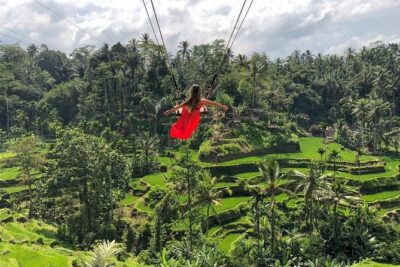
Monkey Forest, Jungle Swing, Rice Terrace, and Water Temple
Read our review →
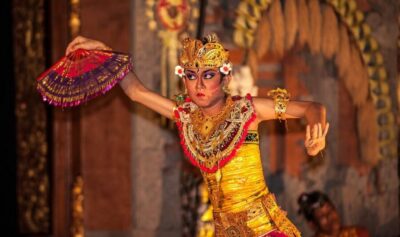

Uluwatu Sunset, Kecak Dance, and Dinner Jimbaran Beach
Read our review →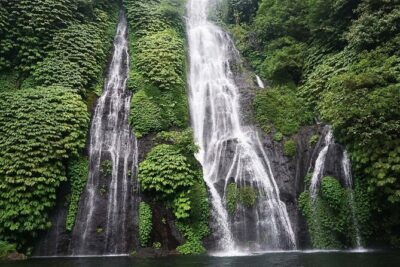
Tanah Lot and North Bali Tour: Scenic Journey
Read our review →
Body Massage Experience in Ubud Traditional Spa
Read our review →Browse the lists this tour appears in