
Reviewed · SURABAYA TOURS
Trowulan Tour Ruin of Majapahit Kingdom from Surabaya
Trowulan is where the remains of the Majapahit Kingdom lie scattered across rural East Java. This tour brings the pieces together: temple ruins, an old ceremonial gate, a museum, and a guide who can explain how they fit into Southeast Asian history. It is a strong choice if you want more than a quick city tour from Surabaya.
I like two things right away. Private transport and hotel or port pickup remove the hardest part of reaching Trowulan, and lunch, water, parking, fuel, and entry fees are already covered. I also like the human side of the tour. Guides such as Agus, Pak Agus, Yono, Suhyono, and Djoko have been praised for clear English, warmth, and a real command of the subject.
The catch is the weather. Trowulan’s open temple grounds can be hot and humid, and the sites are spread out rather than gathered in one compact archaeological park. A restaurant lunch may also require patience if the menu and service are not in English.
In This Review
- Key points to know before booking
- Why Trowulan is worth a day from Surabaya
- Wringin Temple, the first major view of Trowulan
- Tikus Temple and the religious side of Majapahit
- Candi Bajangratu and the art of the gateway
- The Trowulan Museum puts the fragments together
- Candi Brahu dan Gentong and its stepped design
- What the guide adds to the day
- Transport, lunch, and the practical value of $85
- Heat, timing, and what to bring
- Who should book this Trowulan tour?
- Cancellation and final booking advice
- FAQ
- How long does the Trowulan tour from Surabaya last?
- What sites are included?
- Is transportation included?
- Are entrance fees included?
- Is lunch provided?
- How many people can join the tour?
- Can I cancel for a full refund?
Key points to know before booking
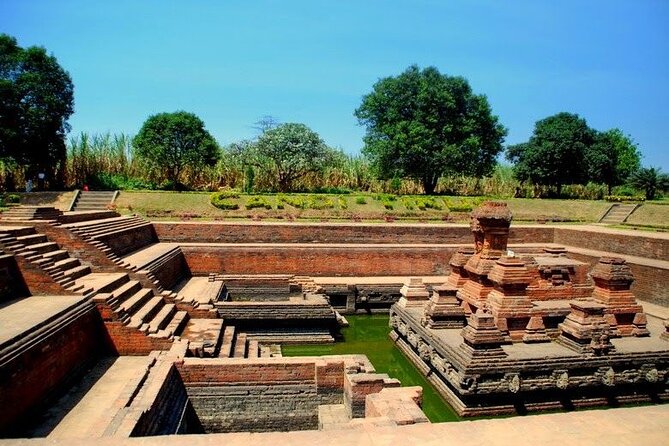
- Majapahit ruins across five stops: Visit Wringin Temple, Tikus Temple, Candi Bajangratu, the Trowulan Museum, and Candi Brahu dan Gentong.
- A guide makes the difference: Agus, Yono, Djoko, and other local guides are known for explaining the sites in clear, engaging English.
- A practical Surabaya day trip: Hotel or port pickup, private vehicle, driver, fuel, parking, lunch, water, and entrance fees are included.
- Small-group feel: The maximum group size is 15, with private tours and small groups available.
- Plan for heat: Much of the time is outdoors, and the ruins offer little protection from the sun.
- Good for cruise passengers: Pickup and drop-off at the port make this a workable shore excursion.
Why Trowulan is worth a day from Surabaya
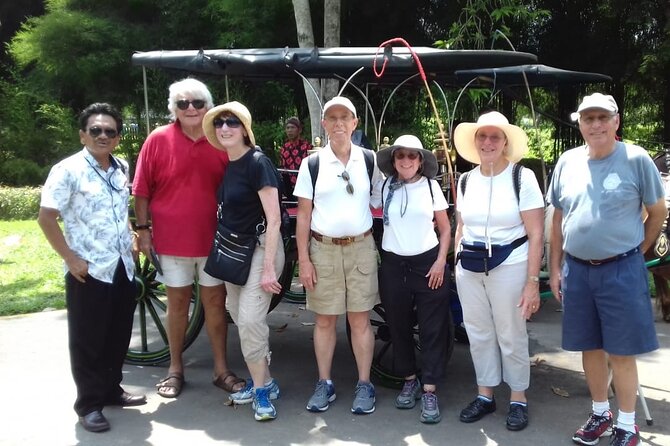
The Majapahit Kingdom was one of Southeast Asia’s major powers, and Trowulan is linked with the remains of its capital. What you see today is not one perfectly preserved city. It is a wide archaeological area with individual temples, gates, museum pieces, and fragments spread through the Trowulan region.
That scattered layout is exactly why a guide helps. Without context, a brick structure can look like an isolated ruin. With a guide, you get a clearer picture of religious practice, royal power, Hindu traditions, and the scale of the old settlement.
I would not book this as a general sightseeing trip with a few decorative temples added on. The value comes from the explanation. Guests who had guides such as Pak Agus, Agus, Yono, Suhyono, and Djoko found that the historical discussion was a major part of the day, not a brief introduction before photo stops.
The tour lasts about six to seven hours, so it takes a serious part of your day in Surabaya. For anyone with an interest in archaeology, Hindu religion, or Indonesian history, that time is well spent. If you prefer shopping, food tours, or a relaxed day with little driving, this may feel too specialized.
Other Surabaya days people book alongside this one:
- Mount Bromo Sunrise Tour from Surabaya or Malang – 1 Day
★ 5.0 · 1,759 reviews - From Surabaya / Malang : Mt Bromo Sunrise – Ijen Blue Fire 3D2N
★ 5.0 · 351 reviews - Surabaya – Mount Bromo – Tumpak Sewu Waterfall – Ijen Bluefire Tour – Bali 4d3n
★ 5.0 · 350 reviews
Wringin Temple, the first major view of Trowulan
The first stop is Wringin Temple, described as the largest temple in Trowulan and believed to have served as the main gate to the Majapahit capital. You have about 45 minutes here, including admission.
This is a useful first stop because it gives the tour a sense of scale. You are not simply looking at a small shrine. You are considering how an entrance could mark access to a major royal center, and how much of that center has disappeared or remains underground and scattered around the area.
Your guide can help you read the structure as more than a photo opportunity. Ask about its role as a gateway, the building material, and how archaeologists connect the site to the old capital. A good guide will also help you separate firm evidence from interpretation, an important distinction when ruins survive in fragments.
Forty-five minutes is enough for an explanation and photographs without making the visit drag. The drawback is that this is an outdoor stop, so shade may be limited. Bring a hat and use the bottled water supplied with the tour.
Tikus Temple and the religious side of Majapahit
Tikus Temple receives another 45 minutes. Its name comes from the many rat statues found inside, while the site is believed to have been connected with worship of Durga, the Hindu goddess of destruction.
This is where the tour moves from royal architecture toward religious ideas. Your guide can explain how Hindu beliefs shaped temples and symbols in the Majapahit world. Even if you know little about Hinduism, the stop gives you a way to understand the carvings and layout rather than treating them as mysterious decoration.
The rat imagery makes this temple especially memorable. It gives the site a detail you can carry with you after the tour, and it offers a natural opening for questions about animals, deities, ritual, and local tradition.
The visit is still fairly short. If you want a long, quiet period for sketching or detailed photography, 45 minutes may feel limited. For most people, it is enough time to hear the explanation, inspect the remains, and move on before the heat becomes too tiring.
Candi Bajangratu and the art of the gateway
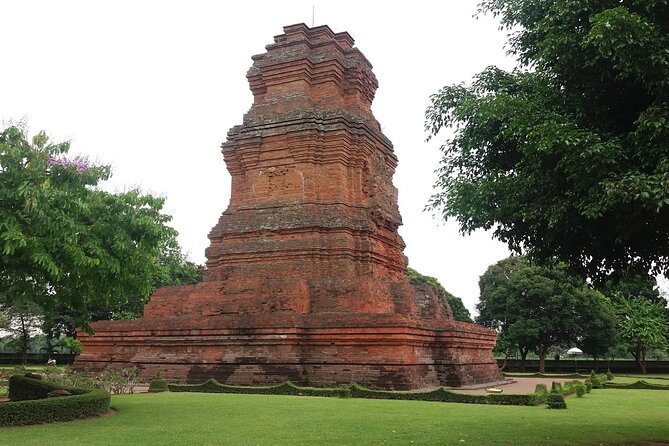
Candi Bajangratu is a 30-minute stop dedicated to Parwati, the consort of Shiva. It is known for its carvings and architecture, so this is likely to be one of the more visually detailed sites on the route.
The shorter timing makes sense if you think of Bajangratu as a focused stop. You will have time to look closely at the structure and hear its religious and architectural context, but this is not a long museum-style visit.
I would pay attention to the carvings rather than rushing straight to photographs. Ask your guide what the designs represent and how Parwati fits into the wider Hindu tradition. Guides such as Agus and Yolo have been praised for teaching rather than simply pointing out names, and that approach matters at a site where the details can be easy to miss.
Again, expect sun and humidity. Comfortable walking shoes are sensible, although the tour information does not specify difficult walking conditions. Most people can participate, and the activity is limited to a maximum of 15 people.
Same island, a completely different day out:
- From Surabaya / Malang : Mt Bromo Sunrise – Ijen Blue Fire 2D1N
★ 5.0 · 330 reviews - Active Volcanoes Bromo and Ijen – Start Surabaya 3 Days and 2 Nights
★ 5.0 · 292 reviews - Mount Bromo Sunrise 1 Day Private Tour
★ 5.0 · 210 reviews - 4D3N Bromo Ijen Tumpak Sewu Waterfall Tour from Surabaya/Malang
★ 5.0 · 202 reviews
The Trowulan Museum puts the fragments together
The 30-minute visit to the Trowulan Museum is one of the most useful parts of the day. The collection includes sculptures, ceramics, jewelry, and other objects from the Majapahit era.
Outdoor ruins show you structures. A museum shows you the smaller objects that reveal how people lived, worshipped, worked, and displayed status. Ceramics and jewelry can make the old kingdom feel more human, while sculptures connect the objects with the religious buildings you have already seen.
Half an hour is not enough for every display, so ask your guide to point out the most important pieces. This is also the best place to clarify questions from the earlier temples. If you saw a carving or symbol you did not understand, the museum may provide a useful comparison.
The museum gives you a break from the sun, but do not expect it to replace a full museum day. This tour is designed as an overview of the Trowulan area, not an exhaustive study of every artifact.
Candi Brahu dan Gentong and its stepped design
The final listed stop is Candi Brahu dan Gentong, visited for about 30 minutes. The temple is associated with Brahma, the Hindu god of creation, and is noted for its unusual stepped pyramid design.
This is a fitting end because the shape gives you another way to compare Majapahit architecture. Earlier sites may have emphasized gates, carvings, or religious associations. Here, the stepped form becomes the main visual clue.
By this point, you may be warm and ready for a break. The brief visit keeps the final stop manageable, though anyone who wants long periods at each temple may find the schedule brisk. The guide’s role is especially useful here because the site’s design and religious meaning need explanation to become more than an attractive brick structure.
What the guide adds to the day
The strongest part of this tour is the guide. Several guides associated with the experience include Agus, Pak Agus, Suhyono, Yono, Djoko, and Yolo. Individual assignments can vary, but the consistent pattern is a guide with strong local knowledge and good English.
Agus is described as friendly, jovial, professional, and able to explain the Majapahit Empire clearly. Pak Agus has been praised for answering detailed questions with the feel of a historian. Yono and Suhyono are also noted for clear teaching, while Djoko is a good name to remember if you value a calm visit to quiet temple sites.
I would ask questions throughout the day. For example:
- How do historians identify Trowulan with the Majapahit capital?
- Which buildings were religious, royal, or defensive?
- What evidence connects each temple with a particular deity?
- How much of the original city is still visible?
- What do the museum objects add to the outdoor ruins?
The experience will be much better if you treat the guide as a teacher rather than a driver who happens to know the route. The driver handles the road, while the guide gives the ruins their meaning.
Transport, lunch, and the practical value of $85
At $85 per person, this is not the cheapest way to see a temple. It is also not simply an entrance ticket with transport added. The price includes private transportation with fuel and driver, hotel or port pickup and drop-off, a professional guide, lunch, bottled water, parking, fuel surcharge, and admission to all listed sites.
That bundle matters in Trowulan because the ruins are scattered. Arranging separate rides between stops would be inconvenient, especially if you do not speak Indonesian or know the area. Port pickup adds further value for cruise passengers, who have less flexibility and need a reliable return plan.
The price becomes more attractive for two or more people sharing a private vehicle, though group discounts may also be available. The maximum group size is 15, so ask at booking whether your departure is private or combined with a small group.
Lunch is included, but the food experience may be less simple than the transport. One part of the tour uses a restaurant where the menu may be in Indonesian and English may be limited. The food is reported as good, but I would keep your phone translation app ready and be prepared to ask the guide for help choosing dishes. The guide may not eat with you, so do not assume you will have constant assistance at the table.
Heat, timing, and what to bring
The main physical issue is not strenuous activity. It is exposure. Trowulan’s temple grounds are open, and the day can be hot and humid. Water is provided for each person, but I would still bring sun protection, a hat, sunglasses, and light clothing suitable for warm weather.
Wear shoes you can walk in comfortably. The tour information says most people can participate, but it does not give a detailed accessibility assessment, so contact the provider if you have specific mobility needs.
A six to seven hour schedule can feel long if you are not interested in history. The itinerary includes five stops, with visits ranging from 30 to 45 minutes, plus driving and lunch. That rhythm works well for someone who wants variety, but it leaves little room for wandering far beyond the planned sites.
The early pickup arrangement appears organized. One guide and driver arrived ahead of time and sent a WhatsApp message on arrival. I would still keep your phone active and confirm your pickup point, especially if you are leaving from a large hotel or cruise port.
Who should book this Trowulan tour?
I would recommend it to you if you have a real interest in the Majapahit Kingdom, temple architecture, Hindu traditions, archaeology, or Indonesian history. It is also a smart choice if you are staying in Surabaya and want a cultural day trip without arranging several transfers yourself.
Cruise passengers should pay close attention to the port pickup option. The combination of transport, guide, lunch, entrance fees, and a planned return makes the day easier to manage than an independent visit.
Families and mixed-interest groups may enjoy the variety, since the tour alternates between open-air temples and a museum. Still, young children may tire in the heat, and people who want a slow, unstructured day may prefer a shorter outing.
The experience is less suitable if you want polished attractions, air-conditioned sightseeing, or a large number of activities packed into one day. Trowulan rewards curiosity. Its appeal comes from piecing together fragments, not from seeing one grand monument in perfect condition.
Cancellation and final booking advice
Free cancellation is available if you cancel at least 24 hours before the local start time. Cancellations or changes made less than 24 hours ahead are not accepted for a refund.
I would book this tour if the idea of walking among scattered Majapahit remains sounds more appealing than another standard Surabaya city stop. The combination of a strong local guide, private transport, five archaeological visits, lunch, and included fees gives the $85 price solid value, especially for cruise passengers or small groups.
Book with realistic expectations. You are not visiting a fully reconstructed ancient capital, and the heat can be tiring. You are getting a guided introduction to a wide archaeological area, with guides such as Agus or Yono potentially turning brick ruins and museum fragments into a readable story. For history-minded visitors, that is the reason to go.
FAQ
How long does the Trowulan tour from Surabaya last?
The tour lasts approximately six to seven hours.
What sites are included?
The itinerary includes Wringin Temple, Tikus Temple, Candi Bajangratu, the Trowulan Museum, and Candi Brahu dan Gentong.
Is transportation included?
Yes. Private transportation with fuel and driver is included, along with hotel or port pickup and drop-off.
Are entrance fees included?
Yes. Admission to all the listed sites is included in the tour price.
Is lunch provided?
Yes. Lunch and bottled water for each person are included.
How many people can join the tour?
The maximum group size is 15 people. Private and small-group arrangements are offered, and group discounts may be available.
Can I cancel for a full refund?
Yes, if you cancel at least 24 hours before the experience start time. Cancellations or changes made less than 24 hours before the start are not accepted for a refund.
Just added around Surabaya
- From Java : Tumpak Sewu, Bromo & Kawah Ijen – 3-Day★ 5.0 · 3 reviews
- 3 Days Tour To Explore Mt Bromo★ 5.0 · 21 reviews
- Mount Bromo Sunrise Shared Guided Tour from Surabaya★ 4.5 · 13 reviews
- 4D3N Ijen Crater,Papuma Beach, Tumpak Sewu Waterfal & Mount Bromo★ 4.5 · 11 reviews
- Surabaya Bromo Ijen Drop Bali 3-Day Private Tour★ 5.0 · 27 reviews
- Surabaya Shore Excursion For Cruise Passengers★ 4.5 · 52 reviews
- 3 days Private Tour of Sewu Waterfalls, Bromo, and Ijen Blue Fire★ 5.0 · 43 reviews
- Private Bromo Sunrise Tour (All included)★ 5.0 · 19 reviews
Surabaya Tours, compared.
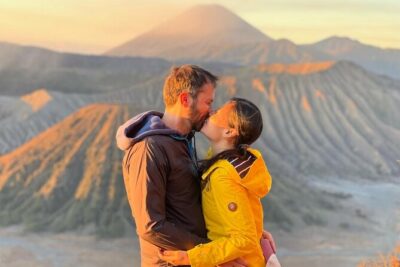
Mount Bromo Sunrise Tour from Surabaya or Malang – 1 Day
Read our review →
From Surabaya / Malang : Mt Bromo Sunrise – Ijen Blue Fire 3D2N
Read our review →
Mount Bromo – Tumpak Sewu Waterfall – Ijen Bluefire Tour – Bali 4d3n
Read our review →
From Surabaya / Malang : Mt Bromo Sunrise – Ijen Blue Fire 2D1N
Read our review →
Active Volcanoes Bromo and Ijen – Start Surabaya 3 Days and 2 Nights
Read our review →
4D3N Bromo Ijen Tumpak Sewu Waterfall Tour from Surabaya/Malang
Read our review →
Mount Bromo Private Sunrise Day Tour – From Surabaya or Malang
Read our review →Browse the lists this tour appears in