
Reviewed · SNORKELING & DIVING TRIPS
Try Diving in Nusa Lembongan – Penida. For beginners (with 2 ocean dives)
Nusa Lembongan and Nusa Penida offer beginners a proper introduction to scuba, not just a quick swim with a tank. You begin in a pool, learn the basic skills, then move to two guided ocean descents with an instructor close by. In the right season, manta rays and Mola Molas may be part of the day, though wildlife sightings are never promised.
I like the small maximum group of eight, since new scuba users often need calm, direct help rather than a rushed lecture. I also like the practical all-in setup: equipment, a lunch box, water, tea, and coffee are supplied, so you can focus on learning rather than packing a mountain of gear.
The main consideration is that this is a full day on and around the water, with moderate physical demands. One recent experience also points to an important human factor: a nervous beginner may need a patient instructor, so speak up early if you need more time with a skill.
In This Review
- Key points to know before booking
- Starting with scuba in Nusa Lembongan
- The first ocean session around Lembongan or Penida
- The surface break, lunch, and useful boat comforts
- The second guided session and what you may see
- How the small group affects your day
- Is $125 a fair price for this beginner course?
- Timing, fitness, and what to plan around
- Who will get the most from this experience?
- Should you book the Nusa Lembongan beginner scuba day?
- FAQ
- Where does the experience start?
- What time does the activity begin?
- How long does the experience last?
- Do I need previous scuba experience?
- How many ocean sessions are included?
- Are scuba equipment and food provided?
- What marine animals might I see?
- How many people can join the group?
- What happens if bad weather cancels the activity?
Key points to know before booking
- Two ocean sessions after pool practice: You learn basic scuba skills in a pool before visiting two underwater sites.
- Possible manta and Mola Mola sightings: Mantas can appear year-round, while Mola Molas are especially associated with July through October, but neither is guaranteed.
- Maximum of eight people: The group limit allows more direct attention than a large boat operation.
- Everything needed is provided: Gear, lunch, water, tea, and coffee are included.
- A long 8am to mid-afternoon outing: You return to the center around 3pm to 3:30pm.
- $125 can be good value: The price covers instruction, equipment, two ocean sessions, refreshments, and lunch.
Starting with scuba in Nusa Lembongan
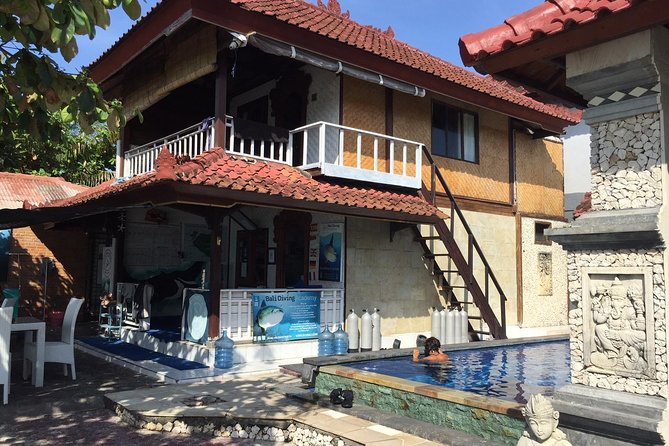
The day begins at Bali Diving Academy Lembongan Island in Jungut Batu at 8am. You handle paperwork, get fitted with equipment, and take part in a pool session before heading out toward the islands’ underwater sites.
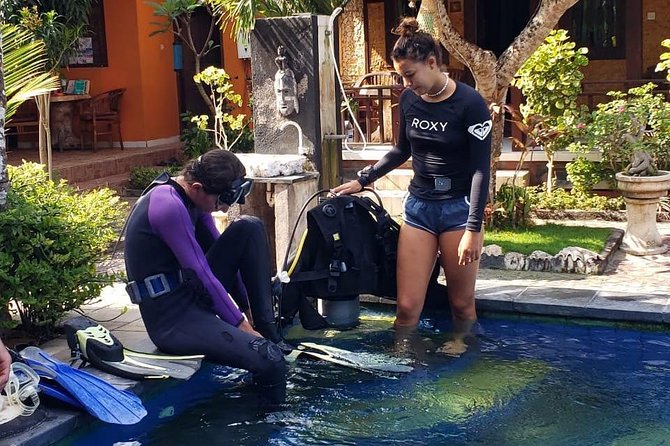
That order matters. You do not arrive at the ocean with no idea how the regulator, mask, buoyancy equipment, or basic underwater signals work. The pool gives you a controlled place to get used to breathing through the regulator and to practise the first skills with an instructor nearby.
For a first scuba experience, this is the right general shape. You have time to learn before conditions become less predictable. The pool cannot copy every part of the ocean, but it gives you a chance to settle your breathing and find out how comfortable you feel underwater.
The course is designed for people with no previous scuba skill. You still need a moderate level of physical fitness, and you should be honest with the instructor about nerves or discomfort. One experience included a beginner who felt the instructor lost patience after only a few minutes of uncertainty. That is not a reason to dismiss the whole program, but it is a good reminder to ask for clear explanations and extra reassurance if you need them.
More Snorkeling & Diving Trips in Nusa Penida
- 2 Days Discover Scuba Diving in Nusa Lembongan – Scuba Initiation
★ 5.0 · 506 reviews - Lembongan Snorkeling at Manta Bay, Crystal Bay and Mangrove
★ 5.0 · 56 reviews - Snorkeling Trips with Manta Ray from Nusa Lembongan
★ 4.5 · 19 reviews
The first ocean session around Lembongan or Penida
The first ocean session is scheduled for about 10am. The exact site depends on weather, sea conditions, and the plan for the day. Possible locations include Manta Bay, Crystal Bay, Gamat Bay, Toya Pakeh, and Sental, among a total of about 12 sites around Nusa Lembongan and Nusa Penida.
Each site offers a different reason to be there. Manta Bay is the obvious choice for anyone hoping to see manta rays. Crystal Bay is linked with Mola Mola season, particularly from July through October. Gamat Bay and Toya Pakeh are known in this area for clear water and coral scenery.
Still, you should treat the named sites as possibilities, not promises. Sea conditions and daily decisions guide the schedule, and marine animals follow their own plans. Mantas can be seen throughout the year, but a clear-water day does not guarantee a sighting. The same applies to Mola Molas, turtles, and other wildlife.
Your first ocean session is less about collecting a particular animal sighting and more about using your new skills in open water. You will work on breathing steadily, staying near the instructor, and controlling your position in the water. Neutral buoyancy is one of the key aims, since it lets you move without constantly kicking upward or dropping toward the reef.
That skill also matters for the coral. The operator presents the program as responsible scuba, with care taken not to harm marine life or reef areas. You should follow the instructor’s guidance, avoid touching the coral, and keep your equipment under control. A good first session teaches you that underwater sightseeing is not a licence to bump into the things you came to see.
The surface break, lunch, and useful boat comforts
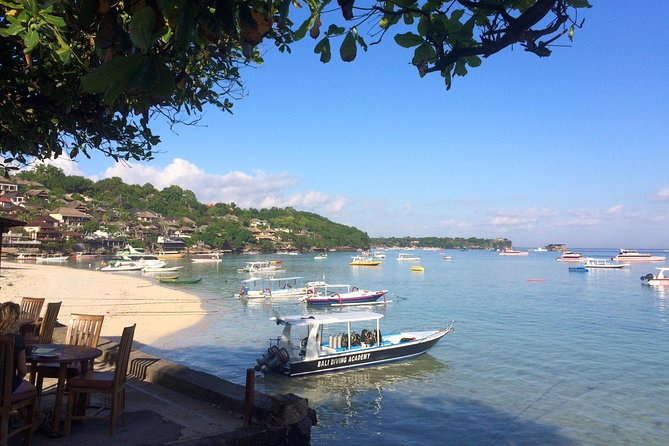
After the first ocean session, you have about an hour at the surface. Tea and coffee are available, along with water and a choice of lunch box. A local lunch is served on the boat, which is a welcome practical touch during a long morning outside.
I value this pause more than it may sound on paper. Beginners are using unfamiliar equipment, concentrating on breathing, and adjusting to a new setting. A proper break lets you eat, drink, and listen to instructions before the second session.
The supplied food also keeps the cost easier to judge. At $125 per person, you are not paying only for time underwater. The price includes the pool instruction, equipment, staff support, two ocean sessions, boat refreshments, water, and lunch. If you would otherwise need to rent gear and buy food separately, the package becomes more sensible.
Do not expect the break to feel like a long beach stop. The schedule is built around a second ocean session, so use the time to rest and prepare. If you are prone to motion sickness or get tired quickly on boats, the full length of the outing is worth considering before you book.
The second guided session and what you may see
The second ocean session follows the surface interval. By then, you should have had some time to get used to the equipment and the feel of open water. You still have an experienced instructor close at hand, which is particularly useful when you are learning buoyancy and underwater communication.
The two-session format gives you more than a single taste. If the first session feels awkward, the second offers a chance to apply corrections. You may become more relaxed with the regulator, improve your body position, or simply enjoy looking around without thinking about every piece of equipment.
The underwater scenery is one of the strongest reasons to choose these islands. The surrounding sites are described as having clear water and healthy, colorful coral reefs. Manta rays may appear at several locations, and one especially positive experience included manta rays and turtles. Those sightings are possible highlights, but you should not measure the day only by what swims past.
Conditions shape the experience. The location can change with weather, and the tour requires good conditions to operate. If poor weather forces a cancellation, you are offered another date or a full refund. That policy protects you from being sent out in unsuitable conditions, though it does mean your plans may change at short notice.
More snorkeling & diving trips in Nusa Lembongan:
- From Lembongan: Snorkeling Day Trip to Nusa Lembongan & nusa Penida island
★ 4.5 · 10 reviews - Snorkeling Manta Ray in Nusa Lembongan
★ 3.5 · 7 reviews - Three Islands Snorkeling (3 Spots) Manta Rays – From Lembongan
★ 4.5 · 5 reviews - ️Nusa Penida by Private Boat – Snorkeling 4 spots, Swim with Mantas + Land Tour
★ 5.0 · 6,424 reviews
How the small group affects your day
The maximum group size is eight people. That is not a private lesson, but it is small enough to make a real difference for a first attempt. You are less likely to disappear in a large crowd, and the instructor has a better chance of noticing if you are struggling with a mask, breathing, or buoyancy.
The small group also helps the pace feel more personal. Beginners rarely progress at exactly the same speed. Some people adjust quickly, while others need repeated demonstrations and a little time before they feel calm in the water.
The available feedback is mostly very strong, with a 4.9 rating from 20 evaluations and 95 percent recommending the experience. The most praised features are the instructors’ professionalism, attention to safety, care for coral and animals, and the sight of manta rays and turtles. One French-speaking participant described the instructor as friendly and professional and said the support was excellent.
There is one less positive account involving an instructor who seemed impatient with a nervous beginner. That criticism deserves space because instructor attitude matters greatly in an introductory scuba course. A calm instructor can turn anxiety into confidence, while a rushed one can make a new skill feel frightening.
When you arrive, tell the staff plainly if you are uneasy. Ask them to explain the pool skills slowly and confirm what will happen if you cannot continue. The published information points to a strong safety record, but your own comfort still depends on communication with the instructor assigned to your group.
Is $125 a fair price for this beginner course?
For an eight-hour program, $125 is a reasonable package price if you want a full first experience rather than a brief introductory session. You receive pool training, two guided ocean sessions, scuba equipment, boat support, lunch, water, tea, and coffee.
The strongest value comes from the instruction and gear. Buying or arranging those elements independently would add cost and create more planning work. The small group is another part of the value, since direct attention matters more for a beginner than it does for a certified scuba user.
The price is less compelling if you are only looking for a short underwater tryout or if you dislike spending most of a day on a boat and at sea. You may also want to compare the cost with a formal certification course if you already know you want to continue. This experience gives you two guided ocean sessions, but it is not presented as a certification program.
The fact that it is commonly booked about 20 days ahead suggests that you should not leave it until the last moment if your island schedule is fixed. The booking system offers a mobile ticket and group discounts, which may help if you are arranging the outing for several people.
Timing, fitness, and what to plan around
The official schedule is straightforward:
- 8am: Meet at Bali Diving Academy, complete paperwork, receive equipment, and practise in the pool.
- About 10am: First ocean session.
- About one hour later: Surface break with tea, coffee, water, and lunch.
- After the break: Second ocean session.
- About 3pm to 3:30pm: Return to the center.
That is a long block of time, so do not place an important appointment immediately afterward. The activity ends back at the meeting point in Jungut Batu.
You should be comfortable with a moderate amount of physical activity. The information does not give a detailed medical screening list, so the safest approach is to consider your own fitness honestly and raise any concerns before the day begins.
The program depends on good weather. If it cannot operate because of conditions, you can choose another date or receive a full refund. You can also cancel for a full refund if you do so at least 24 hours before the 8am start. Cancellations or changes inside that window are not refunded or accepted, and the operator may also cancel if the minimum number of participants is not reached.
Who will get the most from this experience?
I would choose this course if you are curious about scuba but do not want to commit immediately to certification. The pool session lowers the barrier, while two ocean sessions give you enough time to decide if underwater breathing and buoyancy suit you.
It also fits a first-time visitor who wants to see the reefs around Nusa Lembongan or Nusa Penida without assembling equipment, food, and instruction separately. The chance of seeing manta rays adds excitement, especially from July through October if Mola Molas are a priority, but you should be happy with coral and open-water practice even if no large animal appears.
This is less suitable if you need a private instructor, dislike group activities, or want a guaranteed wildlife encounter. A maximum of eight is a good small-group limit, but it is not one-to-one attention. If you are especially nervous, make instructor patience a booking question rather than assuming every teacher will have the same style.
Should you book the Nusa Lembongan beginner scuba day?
I would book it if you want a serious first taste of scuba, value included equipment and food, and can spare the full 8am to mid-afternoon schedule. The pool introduction, two guided ocean sessions, small group, and strong safety emphasis make the structure sound for a beginner.
Book with realistic expectations. Mantas, turtles, and Mola Molas are possible, not guaranteed. The weather can change the plan, and your comfort may depend on the instructor’s teaching style. If you explain your concerns early and want more than a quick tourist swim, this $125 experience offers a useful, well-supported start in one of Indonesia’s best-known scuba areas.
FAQ
Where does the experience start?
It starts at Bali Diving Academy Lembongan Island, Jungut Batu, Nusa Lembongan, Bali 80771, Indonesia.
What time does the activity begin?
You meet at the center at 8am.
How long does the experience last?
The experience lasts about eight hours. You return to the center around 3pm to 3:30pm.
Do I need previous scuba experience?
No. The program is designed for absolute beginners and begins with basic instruction in a pool.
How many ocean sessions are included?
The program includes two guided ocean sessions after the pool practice.
Are scuba equipment and food provided?
Yes. The necessary scuba equipment is provided, along with a lunch box, water, tea, and coffee.
What marine animals might I see?
You might see manta rays, turtles, or Mola Molas. Manta rays may appear throughout the year, while Mola Molas are associated especially with July through October. Sightings are not guaranteed.
How many people can join the group?
The maximum group size is eight people.
What happens if bad weather cancels the activity?
You can choose another date or receive a full refund if poor weather causes the cancellation.
More Scuba Diving in Nusa Lembongan
- Bali Diving for Beginners: Tulamben Liberty Wreck
★ 5.0 · 367 reviews - Discover Scuba Diving in Tulamben – Diving Initiation in Bali best diving sites
★ 5.0 · 353 reviews - Scuba Diving in Nusa Penida – Manta Point
★ 5.0 · 198 reviews - Bali Diving Day Trip-Manta Point/Tulamben Shipwreck-Fun Dive
★ 5.0 · 104 reviews
Just added around Nusa Lembongan
- Snorkeling Manta Ray in Nusa Lembongan★ 3.5 · 7 reviews
- Sound Bath Healing Journey on the Island of Nusa Lembongan★ 4.5 · 12 reviews
- Three Islands Snorkeling (3 Spots) Manta Rays – From Lembongan★ 4.5 · 5 reviews
- PADI Open water Course in Lembongan – Get certified & dive anywhere in the world★ 5.0 · 16 reviews
- Lembongan and Ceningan Island Tour★ 4.5 · 17 reviews
- Nusa Penida Private Car Charter★ 5.0 · 4 reviews
- Lembongan Snorkeling at Manta Bay, Crystal Bay and Mangrove★ 5.0 · 56 reviews
- Lembongan Electric Bike tour★ 5.0 · 56 reviews
Snorkeling & Diving Trips, compared.
️Nusa Penida by Private Boat – Snorkeling 4 spots, Swim with Mantas + Land Tour
Read our review →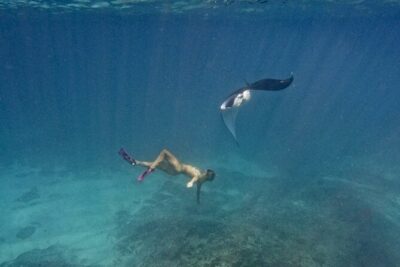
Nusa Penida day trip: boat, 4 snorkeling, Manta rays & Land tour
Read our review →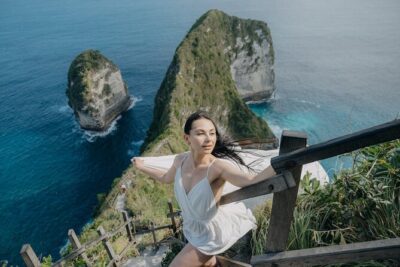
Nusa Penida Snorkeling Adventure (Private & All-Inclusive)
Read our review →
All Inclusive : Bali Blue Lagoon Snorkeling, Lunch, and Transport
Read our review →
Bali Blue Lagoon Snorkeling – Lunch and Transport All Inclusive
Read our review →
Blue Lagoon Snorkeling – Lunch – Kantolampo – Tibumana Waterfall
Read our review →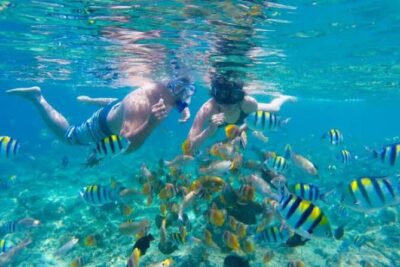
Bali Blue Lagoon Snorkeling with Private Transfer & Lunch
Read our review →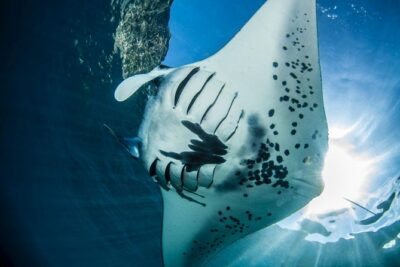
2 Days Discover Scuba Diving in Nusa Lembongan – Scuba Initiation
Read our review →Browse the lists this tour appears in