Reviewed · MONKEY FOREST TOURS
Ubud: Monkey Forest, Water Temple, Rice Terrace, Waterfall
Ubud’s appeal comes into focus on this full-day route: monkeys in a forest shrine, pilgrims washing beneath holy fountains, rice fields cut into hillsides, and a broad waterfall at the end. It is a busy day, but it gives you four of Bali’s most recognizable sights without making you arrange transport between them.
I like the private car and flexible guide service, especially for families or couples who want breaks when needed. I also like the cultural balance: Tirta Empul is more than a photo stop, and the sarong helps you enter the temple dressed in a respectful local style.
The main drawback is the schedule. Eight to ten hours on Bali roads can feel long, and the listed visits are fairly brief. Entrance tickets are also not included in the basic price, so check which booking option you are selecting before you pay.
In This Review
- Key points to know before booking
- What this Ubud day tour is really like
- Sacred Monkey Forest: temples, trees, and cheeky macaques
- Tirta Empul: Bali’s holy water and the temple dress code
- Tegalalang Rice Terrace: the short scenic stop
- Tegenungan Waterfall: a wet finish to the day
- Price, tickets, and what you actually receive
- Coffee plantations and optional additions
- Who will get the most from this tour
- Practical advice for a smoother day
- Should you book this Ubud day tour?
- FAQ
- How long does the Ubud tour last?
- What places are included in the route?
- Is transportation private?
- Are entrance tickets included?
- What should I bring?
- Can I cancel the tour for a refund?
Key points to know before booking
- Four very different Ubud stops: Monkey Forest, Tirta Empul, Tegalalang Rice Terrace, and Tegenungan Waterfall.
- Private transport from Seminyak: Your own group travels in an air-conditioned vehicle with hotel pickup and return.
- Guides make the difference: Romy, Santanu, Dama, Bayu, Restu, Ketut, Pande, Tyson, and Nyoman are among the guides praised for clear explanations, safe driving, and patience.
- Temple clothing is part of the experience: A Balinese sarong is used at Tirta Empul, but the bathing ritual may require more preparation than the short description suggests.
- Base price is low, but tickets matter: The advertised price is $28 per person, with an option to add destination entry fees or pay them separately.
- Bring swim-ready supplies: Pack dry clothes, a towel, a camera, and extra clothing if you plan to get near the waterfall or take part in temple purification.
What this Ubud day tour is really like
This is a sightseeing day built around convenience. You are collected at your Bali hotel, driven north toward Ubud, guided through four major stops, and returned to your accommodation. The vehicle includes air conditioning, fuel, parking fees according to the route, and bottled water.
From Seminyak, the distance matters. Bali roads can be slow, so the eight to ten hour estimate includes not only time at the sights but also the drive between them. That makes an early pickup sensible, especially if you want a calmer start and more time at each stop.
The tour is described as private, meaning only your group participates. That gives you useful control over the pace. Guides have adjusted timing for young children, extra breaks, photo stops, and individual interests. You should still discuss your preferred order and expected activity level at the start of the day.
The quality of the experience rests heavily on the driver-guide. Romy is repeatedly praised for being attentive, helpful with photographs, and good with families. Santanu is noted for explaining local customs and making the day feel personal. Dama, Bayu, Restu, Ketut, Pande, Tyson, and Nyoman also receive strong praise for friendly service, safe driving, patience, and clear English.
Your assigned guide may be someone else. Still, the pattern is clear: this is not simply a hired car. The guide is expected to stay with you, explain the sights, answer questions, and help you manage the practical details.
More Monkey Forest Tours in Seminyak
- Ubud Tour With Sacred Monkey Forest Sanctuary – Waterfall – Rice Terrace
★ 5.0 · 385 reviews - Tanah Lot Tour with Ubud Monkey Forest, Rice Terraces, and Waterfalls
★ 5.0 · 273 reviews - Ubud Private Tour: Monkey Forest, Rice Terrace, Temple, Waterfall
★ 5.0 · 96 reviews
Sacred Monkey Forest: temples, trees, and cheeky macaques
The first major stop is the Sacred Monkey Forest Sanctuary, a 12.5-hectare wooded site in Ubud with around 700 Balinese long-tailed macaques. You follow paths through the forest, where shrines, stone carvings, and monkeys share the same space.
This is the most playful stop, but it is not a petting zoo. The monkeys are wild animals accustomed to people. Their calm appearance can change quickly if they see food, a loose bag, sunglasses, or something they want to grab.
Keep your belongings secure and follow the local instructions. Do not tease the animals or try to force a photograph. A guide can help you understand where to walk and how to avoid turning a close encounter into a tug-of-war.
The scheduled stop is about one hour, with admission listed separately. That is enough for a useful walk, but not enough for a slow exploration of every path. If the monkeys are your main reason for booking, ask your guide at pickup whether the timing can be adjusted.
I like this opening because it immediately feels like Bali rather than a series of indoor displays. You get forest shade, religious architecture, and animal life in one place. The drawback is that the experience can feel crowded and unpredictable, especially if you are nervous around monkeys or carrying valuables.
Tirta Empul: Bali’s holy water and the temple dress code
Tirta Empul is the cultural heart of this route. The temple is associated with a spring said, in Balinese Hindu tradition, to have been created by the god Indra. Water flows through a series of fountains into bathing pools used for ritual purification.
You will see tiered fountains, gardens, carved stone figures, and water pouring from mythical creatures. The setting is visually impressive, but the important point is that this remains a living place of worship. Dress and behavior matter more here than at the other stops.
A sarong is provided for the temple visit, giving you the traditional lower-body covering expected at many Balinese temples. Wear practical clothing underneath, and bring a dry change of clothes if you plan to enter the water. The tour information recommends smart-casual dress and says women who are menstruating may not enter the temple.
The bathing ritual is not automatically the same as simply looking at the fountains. Some people visit the pools for purification, while others observe respectfully from outside. The details of what you may do, what clothing is needed, and whether extra arrangements apply should be clarified with your guide before entering.
This is one place where the short schedule may feel limiting. The planned visit lasts about an hour, and admission is separate under the basic arrangement. That hour can cover the temple grounds and an explanation of the beliefs, but a full ritual experience may require more time.
I especially value this stop because it gives context to Bali’s religious life. The rice terraces and waterfall are beautiful, but Tirta Empul explains something about how Balinese people connect water, worship, and daily life. Treat it as a sacred site first and a photography stop second.
Tegalalang Rice Terrace: the short scenic stop
The Tegalalang Rice Terrace visit lasts about 40 minutes. The fields are cut into a hillside in carefully shaped tiers, creating one of the classic Ubud views. You may see farmers working among the rice plots, which adds a practical side to the scenery.
Forty minutes is enough for photographs and a look at the terraces, but it is a quick stop. If you want a long walk through the fields, this tour may not provide enough time. The route is designed to show you the view as part of a larger day rather than focus entirely on rice cultivation.
The terraces are also a good reason to wear shoes with a firm sole. The information does not specify trail conditions, so you should expect that viewpoints or paths may be uneven and avoid wearing footwear that you cannot walk in comfortably.
I like the way this stop breaks up the temples and forest. After the darker, shaded Monkey Forest and the formal temple grounds, the open rice fields give you a wide view and a chance to see how farming shapes the area around Ubud.
The entrance charge is not included in the basic option. Ask whether your booking includes the rice terrace admission, since the tour offers a ticket-inclusive choice as well as an arrangement where you pay at each destination.
More Rice Terrace & Waterfall Tours in Seminyak
- Ubud Hot Springs and Waterfall Private Guided Tour
★ 5.0 · 719 reviews - Bali Secret Waterfall Tour – Private and All-Inclusive
★ 5.0 · 688 reviews - Private Full-Day Tour: Ulun Danu Beratan Temple, Jatiluwih and Tanah Lot Temple
★ 5.0 · 211 reviews - Tanah Lot Temple, Waterfall & Ubud Tour (Private & All-Inclusive)
★ 5.0 · 91 reviews
Tegenungan Waterfall: a wet finish to the day
The final scheduled stop is Tegenungan Waterfall, described as a clear, clean waterfall near Ubud. You have about an hour here, enough to see the falls and spend time near the water. The stop is intended for washing, playing, or simply enjoying the setting.
Bring a towel and spare clothes. They are specifically excluded from the tour, and the water stop is the one part of the day where staying dry may not be your priority. A camera is also recommended, though keep it protected around spray and wet surfaces.
As with the other attractions, admission is not included in the basic price. The waterfall is a pleasant finale because it is less formal than Tirta Empul and more active than the rice terrace viewpoint. After a long day in the car, the chance to move around and cool off can be welcome.
The drawback is that the waterfall is not necessarily quiet or secluded. It is a popular Ubud stop, and the word hidden in the promotional description should not lead you to expect an untouched wilderness setting. You are visiting a well-known attraction on a tight schedule.
If you have already seen Tegenungan on another Bali excursion, tell the guide early. The private format may allow you to spend less time there or adjust the day, though the exact flexibility depends on the route and timing.
Price, tickets, and what you actually receive
At $28 per person, the advertised base price is attractive for a private full-day outing. The value comes mainly from the vehicle, driver-guide, hotel pickup and drop-off, fuel, parking fees listed for the route, and bottled water.
The important catch is admission. The four stops list entrance tickets as not included. A separate option adds all destination tickets for $16 per person, bringing the known total to $44 per person before food or any other personal spending.
That can still be good value if you want a private car and a guide for a full day. It is less straightforward if you compare only the headline price with a self-guided visit. Check the exact ticket option during booking, since the included and excluded arrangements are presented separately.
Food is not included, though it is available to purchase. Some versions of the day may include a lunch suggestion or a stop at a coffee plantation, based on how the guide shapes the route, but those additions should not be treated as guaranteed parts of the four-stop itinerary.
One positive feature is the lack of pressure to share transport with strangers. You can ask for a break, spend longer at a favorite sight, or shorten a stop that does not interest you. That flexibility has real value in Bali, where road time and heat can make a rigid schedule tiring.
Coffee plantations and optional additions
Several accounts of the day include a stop at Satria Luwak Coffee Plantation, with a garden explanation, a look at coffee processing, and free coffee and tea tasting. This is not listed among the four main stops, so consider it an optional addition rather than a guaranteed feature.
If your guide suggests a coffee plantation, ask whether there is any purchase expectation. The information supplied describes the tasting as free, but it does not give a full policy for shopping or extended stops. You are entitled to know how the visit affects your available time at the waterfall or temple.
Lunch is also flexible. One dining stop was praised for its view but judged average for food. If lunch matters to you, ask your guide for choices and decide whether scenery or food quality is your priority.
These small extras can make the day feel more personal, but they can also stretch an already full schedule. I would rather protect time at Tirta Empul or the rice terraces than collect too many add-on stops.
Who will get the most from this tour
This tour suits first-time visitors who want a quick introduction to Ubud without organizing a driver, car, tickets, and route themselves. It also works well for couples, families, and solo visitors who value personal attention.
Families may appreciate the private format. Guides have handled days with very young children and adjusted the timing for breaks. The Monkey Forest is exciting for older children, while the waterfall gives the group a more active stop.
It is also a good fit if you want cultural explanation rather than only transport. Guides such as Santanu and Romy are praised for discussing local customs, beliefs, and everyday Balinese life, not just pointing out photo spots.
You may want another option if you dislike long road days, want extended time at every site, or prefer a slow spiritual visit at Tirta Empul. The itinerary covers a lot, and its strength is variety rather than depth at one attraction.
Practical advice for a smoother day
Contact details for pickup should be confirmed when you book, and be ready at your hotel for the agreed collection time. Pickup is offered across most Bali areas, though coverage rules apply. Hotels around Ubud may be passed by rather than treated as a full pickup location, so confirm this if you are staying in that area.
Wear smart-casual clothing that can work at a temple and outdoors. Bring a camera, bottled water is supplied, and pack extra clothes and a towel for the waterfall or any temple water ritual.
Do not litter. Keep valuables secured at the Monkey Forest, follow temple instructions, and ask before entering any bathing pool. The guide can explain the rules, but respectful conduct remains your responsibility.
The tour requires good weather. If poor conditions cause cancellation, you are offered another date or a full refund. You can cancel for a full refund up to 24 hours before the start time, while later cancellations and changes are not accepted.
Should you book this Ubud day tour?
I would book it if you have one open day, want the major Ubud sights in one sweep, and prefer a private driver-guide to public transport or a large group. The combination of monkeys, holy water, rice terraces, and a waterfall gives you a strong first look at the area.
The best reason to choose it is the guide service. A patient guide can turn a crowded route into a manageable day, help with temple customs, take photos, and adjust the pace. The strongest guide names associated with the experience include Romy, Santanu, Dama, Bayu, Restu, Ketut, Pande, Tyson, and Nyoman, though availability is not guaranteed.
Before booking, confirm three things: the assigned pickup area, whether your $28 rate includes entrance tickets, and how much time you want at Tirta Empul. If those details suit you, the added $16 ticket option makes the final cost easier to understand, and the tour offers solid value for a full day in Ubud.
FAQ
How long does the Ubud tour last?
The experience lasts approximately 8 to 10 hours, including hotel pickup, travel between stops, sightseeing, and return transportation.
What places are included in the route?
The main route visits the Sacred Monkey Forest Sanctuary, Tirta Empul Temple, Tegalalang Rice Terrace, and Tegenungan Waterfall. Ubud may be passed by if your hotel is located in the Ubud area.
Is transportation private?
Yes. Hotel pickup and drop-off are provided in a private, air-conditioned vehicle, and only your group participates in the activity.
Are entrance tickets included?
The basic option lists admission tickets as not included. An option with all destination entry fees is available for an additional $16 per person, so confirm which option you select.
What should I bring?
Bring a camera, extra clothes, a towel, and dry clothing. Food is not included, though it can be purchased during the day. Smart-casual clothing is recommended for the temple.
Can I cancel the tour for a refund?
You can cancel at least 24 hours before the experience start time for a full refund. Cancellations or changes made less than 24 hours before the start time are not accepted, and poor weather may result in a different date or a full refund.
More Temple Tours in Seminyak
- Uluwatu Sunset Tour: Kecak and Fire Dance with Jimbaran Dinner
★ 4.5 · 597 reviews - Beratan , lake side temple tour , all inclusive
★ 5.0 · 261 reviews - Private Half-Day Tour: Uluwatu Sunset Trip and Dinner Packages
★ 4.5 · 219 reviews - All Inclusive Kecak Dance and Uluwatu Temple Admission Ticket
★ 4.5 · 127 reviews
Just added around Seminyak
- Ubud Private Tour★ 5.0 · 36 reviews
- Kuta Seminyak Scooter Lessons★ 5.0 · 40 reviews
- Bali Airport Transfers | Bali Airport Welcome pick up | Bali Airport Taxi★ 4.0 · 27 reviews
- Surf lesson | Energy surfschool krui★ 5.0 · 3 reviews
- Wonderful Bali In 3 Days Private Tour★ 5.0 · 56 reviews
- Zero Gravity Flotation Therapy in Canggu Bali by Solace Float★ 5.0 · 36 reviews
- Ubud Tubing Adventure Holy Spring Temple Private Guided Tour★ 5.0 · 49 reviews
- White Water Rafting & ATV Adventure Private & All-Inclusive Tour★ 5.0 · 21 reviews
Monkey Forest Tours, compared.
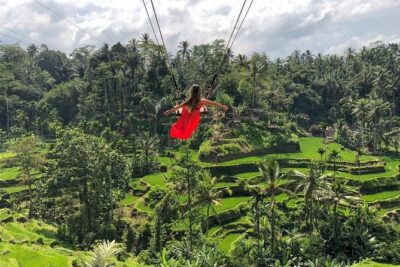
Monkey Forest, Jungle Swing, Rice Terrace, and Water Temple
Read our review →
Ubud Tour with Monkey Forest Waterfalls Temples and More
Read our review →Ubud Tour With Sacred Monkey Forest Sanctuary – Waterfall – Rice Terrace
Read our review →
Tetebatu Walking Tour – Rice Terraces, Waterfall & Monkey Forest
Read our review →
Tanah Lot Tour with Ubud Monkey Forest, Rice Terraces, and Waterfalls
Read our review →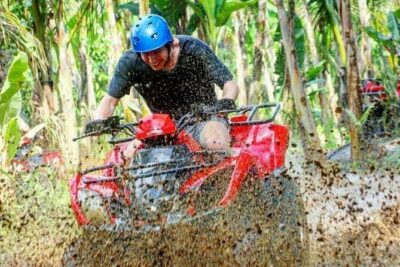
Bali ATV Quad Adventure – Ubud Monkey Forest and Waterfall
Read our review →
Ubud Tour with Swing, Temple, Monkey Forest, and Waterfall
Read our review →