
Reviewed · NUSA PENIDA TOURS
Advanced Open Water Course – Advanced Certification in Lembongan (next to Bali)
The most useful part of this two-day SSI course is its practical design. You complete five in-water training sessions around Nusa Lembongan, including a descent close to 100 feet, compass work, and three specialty sessions chosen with your instructor. I like the small maximum group of five and the chance to shape the course around interests such as buoyancy, photography, fish identification, or wreck exploration. The main consideration is that you must already hold Open Water certification, and the weather can affect the schedule.
I also like the relaxed amount of theory compared with an entry-level course. The center has lockers, showers, Wi-Fi, changing space, and a restaurant, which makes two full training days easier. The $431.28 price is fair if you need equipment and instruction, though accommodation, food, and photos cost extra.
In This Review
- Key points to know before booking
- What this advanced course actually adds
- A two-day plan around Nusa Lembongan
- Crystal Bay: a strong first look at local conditions
- Manta Point: memorable wildlife, with conditions to respect
- Mangrove Point: practice close attention and control
- Toyapakeh: apply navigation beyond the classroom
- Jungut Batu Beach: convenient access and a familiar finish
- Choosing your three specialty sessions
- Equipment, comfort, and what you still pay for
- Is $431.28 a fair price?
- Safety, fitness, and weather
- Who should book this course?
- Should you book the Nusa Lembongan Advanced Open Water course?
- FAQ
- Do I need Open Water certification to join?
- How long does the course take?
- How deep can I train during the course?
- What equipment is included?
- Are accommodation and meals included?
- What happens if bad weather cancels the course?
Key points to know before booking
- Five training sessions in two days: Complete deep-water, navigation, and three chosen specialty sessions.
- Depth training to 100 feet: The SSI certification prepares you for depths up to 30 meters, under professional supervision.
- Small groups: The course accepts no more than five participants, allowing closer attention from the instructor.
- Nusa Lembongan locations: Sessions may include Crystal Bay, Manta Point, Mangrove Point, Toyapakeh, and Jungut Batu Beach.
- Equipment included: Mask, snorkel, fins, buoyancy jacket, regulator, instruments, wetsuit, and weight belt are provided.
- Flexible learning path: Choose specialties that fit your interests, including photography, buoyancy control, fish identification, and wreck exploration.
What this advanced course actually adds
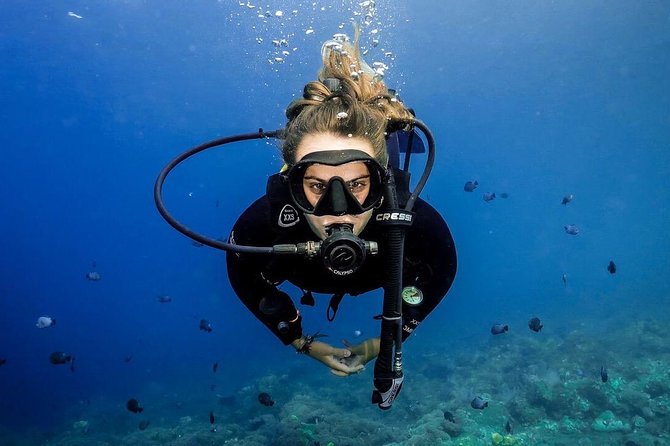
Open Water certification gives you the foundation for independent recreational scuba use. This next step is about becoming more comfortable and capable in different conditions, rather than simply repeating the same basic lessons.
You still work under a professional instructor, but the course asks you to think more like a diver. You learn to plan a deeper session, monitor how depth affects your body and equipment, and manage navigation without relying only on a guide.
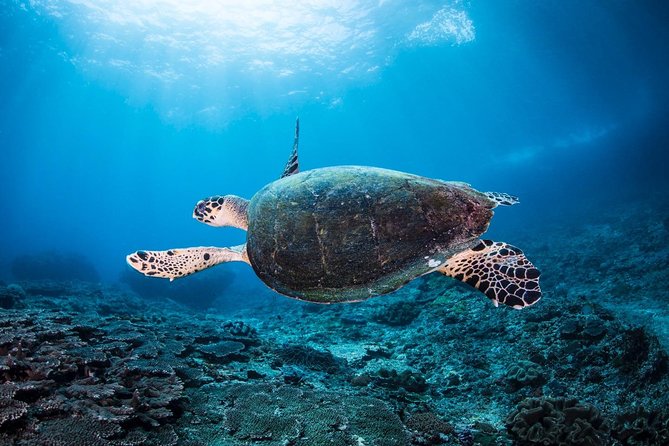
The course includes a Deep Adventure session. This is not just a chance to descend farther. You study how to plan for depth and how deeper water can change the physical demands of scuba. The maximum certification depth is up to 100 feet, or 30 meters, but that does not mean every session reaches that limit.
The Underwater Navigation session gives you several ways to find your way around. You practice with a compass, but you also use kick cycles, visual landmarks, and time. That combination matters because a compass is useful, yet underwater navigation becomes much easier when you understand distance, direction, and the shape of the site around you.
The remaining three sessions are selected with your instructor. This is where the course can feel personal rather than fixed. If you want better buoyancy, underwater photography, fish identification, or wreck exploration, you can use the available choices to test a new interest.
Other Nusa Lembongan days people book alongside this one:
- Open Water Course in Nusa Lembongan – Get Certified on remote island (next Bali)
★ 5.0 · 864 reviews - 2 Days Discover Scuba Diving in Nusa Lembongan – Scuba Initiation
★ 5.0 · 506 reviews - 5 Fun Dives in Nusa Lembongan (for certified divers) – Swim with a Mola Mola
★ 5.0 · 205 reviews
A two-day plan around Nusa Lembongan
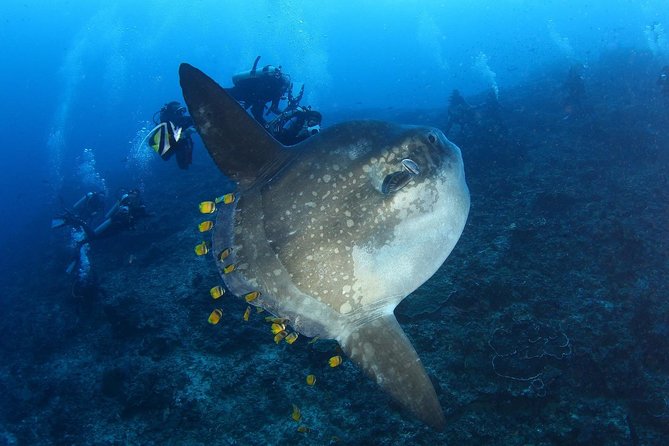
The course is listed as approximately two days. Exact order can change with sea conditions, site availability, and the specialty choices you make, so treat the five listed locations as the course area rather than a guaranteed sequence.
You meet at Dive Concepts Lembongan in Jungutbatu, on Nusa Lembongan. The center is open from 8 a.m. to 8 p.m. daily during the stated operating period. The activity ends back at the same meeting point, which keeps the logistics simple.
A maximum of five participants is a real advantage here. In a skill-based course, small numbers mean less waiting while someone practices a task and more opportunity to ask questions. It also gives the instructor a better view of your buoyancy, navigation habits, and comfort level.
Instructors associated with the course include Kaka, Sara, Silvère, Valentin, and Hugo. The supplied feedback repeatedly highlights patience, calm supervision, clear teaching, and a friendly manner. Kaka is singled out for detailed instruction and a warm personality, while Sara and Silvère are praised for combining useful lessons with a fun atmosphere. Hugo is described as patient during a quieter low-season course, and Valentin is noted for helping participants feel safe and relaxed.
That does not guarantee a particular instructor, so ask when booking if a named instructor is important to you. The course provider is Dive Concepts Bali.
Crystal Bay: a strong first look at local conditions
Crystal Bay is one of the listed stops and may form part of your first exposure to the area’s underwater conditions. Its value in an advanced course is not just scenery. A new site gives you a chance to apply buoyancy, orientation, and planning skills outside a familiar training environment.
For you, that means paying attention to how the instructor sets the pace and explains the plan before entering the water. The advanced course is about building judgment, so listen closely to the briefing and note how the entry, route, depth, and exit are handled.
Crystal Bay can also be a useful setting for one of your three chosen specialty sessions. If you select fish identification or photography, the site may give you a natural reason to slow down and observe rather than simply move from one point to another. The exact specialty assignment is made with your instructor.
Manta Point: memorable wildlife, with conditions to respect
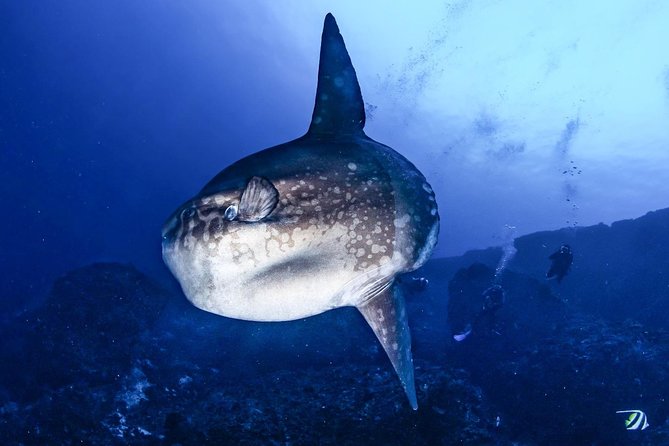
Manta Point is another listed location and is clearly one of the course’s most appealing names. It offers the possibility of seeing manta rays, but wildlife sightings are never something you should treat as guaranteed. Sea conditions and animal behavior always have the final say.
The important point is that Manta Point adds a real-world setting to your training. You may be working on buoyancy, awareness, or controlled movement while also watching for marine life. That requires restraint. The best approach is to stay calm, follow the guide, and avoid turning a wildlife encounter into a rushed pursuit.
If you are hoping for a particular animal, keep your expectations sensible. The course is first a certification program, not a wildlife guarantee. You are paying for instruction and five structured sessions, with the local sites adding the setting.
Same island, a completely different day out:
- 7 Fun Dives in Nusa Lembongan (for certified divers) – Premium Value Package
★ 5.0 · 118 reviews - Lembongan Snorkeling at Manta Bay, Crystal Bay and Mangrove
★ 5.0 · 56 reviews - Lembongan Electric Bike tour
★ 5.0 · 56 reviews - 2 or 3 dives in Nusa Lembongan and Penida, for certified diver (in Lembongan)
★ 5.0 · 28 reviews
Mangrove Point: practice close attention and control
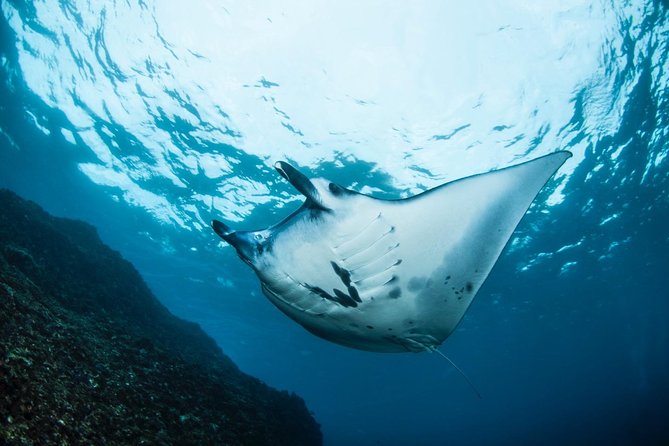
Mangrove Point at Nusa Lembongan is included among the stops. The name suggests a different kind of setting from an open-water point, and it can help vary the course’s visual and navigational demands.
This is the sort of location where good buoyancy and careful observation matter. You may find that controlling your position is more useful than trying to cover distance quickly. If you choose fish identification, photography, or buoyancy control, a varied site like this can make the lesson feel connected to actual recreational use.
The key benefit is variety. Five sessions at one identical site would give you repetition, but not as much experience adapting to different surroundings. The listed locations let you work on skills across more than one underwater environment.
Toyapakeh: apply navigation beyond the classroom
Toyapakeh is one of the course’s named stops and may be particularly useful for navigation practice. The navigation session teaches compass use, kick cycles, visual landmarks, and time. Those skills become more meaningful when you have to use them in a genuine site rather than only in a controlled practice area.
Before entering the water, make sure you understand the route and the navigation task. If anything feels unclear, ask the instructor to repeat it. This is not the moment to nod along and hope you remember the instructions later.
The advantage of doing navigation as part of an advanced course is that you can combine it with other habits. Keep track of your position, remain aware of your depth, and maintain sensible air management. The course is designed to build confidence, but confidence comes from repeatable actions, not from rushing into harder conditions.
Jungut Batu Beach: convenient access and a familiar finish
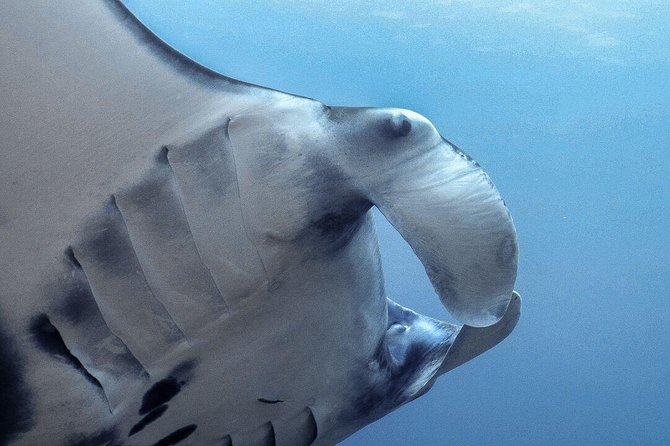
Jungut Batu Beach is both a listed training location and the area where the center is based. That can make it a convenient place for one of the sessions, especially if the schedule needs to work around local conditions.
A nearby site may also be useful for practicing a skill that benefits from calm concentration. Buoyancy control, for example, is not a flashy specialty, but it is one of the most valuable. Better control helps you use air more efficiently, avoid contact with the bottom, and move with less effort.
Because the activity begins and ends at the center, you have a straightforward base for equipment, changing, showers, and questions. The center also offers Wi-Fi, lockers, toilets, and a restaurant. Food is not included, so plan to pay separately if you eat there.
Choosing your three specialty sessions
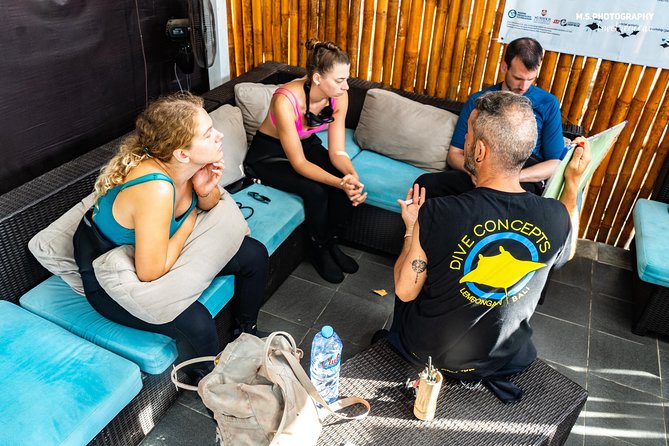
The deep-water and navigation sessions are fixed parts of the program. You then choose three further Adventure sessions with your instructor. This is the part I would discuss before the first training day, especially if you have a clear goal.
Buoyancy control is the practical choice. It can help you move more smoothly, conserve energy, and become less likely to disturb the underwater environment.
Underwater photography suits you if you already enjoy taking pictures and want to understand how movement, positioning, and buoyancy affect the result. A camera can distract you, so the training should keep basic safety and control first.
Fish identification is a good fit if you want to pay closer attention to marine life. It changes the experience from simply looking around to noticing patterns and recognizing what you see.
Wreck exploration appeals to people interested in structure, history, and a more specialized style of underwater sightseeing. The supplied information lists wreck exploration as an option, but it does not identify a specific wreck for this course.
Ask what choices are available at the time of booking. The selection may depend on instructor availability, local conditions, and your own certification goals.
Equipment, comfort, and what you still pay for
The package includes the main equipment you need: mask, snorkel, fins, buoyancy control jacket, regulator, other instruments, wetsuit, and weight belt. Having this included makes the price easier to assess, particularly if you are visiting Indonesia without personal equipment.
An instructor is also included. That matters more than the gear list because the course is about supervised skill development, not simply access to equipment. The center’s facilities add practical value during a full day around the water. You can use the locker, changing room, toilet, shower, and Wi-Fi.
Digital photos and videos are not included. They are available to purchase, so decide in advance if you want a visual record or prefer to keep the cost down. Accommodation is also separate, though dormitory beds and bungalows are available at the center.
Food at the restaurant is your own expense. These are modest extras, but they affect the final price. If you are comparing this course with a cheaper option, check whether that alternative includes equipment, professional instruction, and facility use.
Is $431.28 a fair price?
At $431.28 per person, the course is not a budget add-on to a holiday. You are paying for two days, five training sessions, an SSI advanced certification path, an instructor, and a full equipment package.
I consider the value strongest for visitors who need rented equipment and want a small group. A maximum of five participants is more appealing than a large class when you are learning navigation or working at greater depth. The center facilities also save you from arranging gear storage and changing space elsewhere.
The value is less clear if you already own all your equipment, need accommodation included, or only want casual sightseeing. This is a formal progression course, so you should book it because you want the skills and certification, not just because the locations sound attractive.
The course is also a good fit if you have recently completed Open Water certification. You do not need to wait for a long period according to the supplied information, and the program is specifically designed as the next step.
Safety, fitness, and weather
You need Open Water certification before taking this course. That is a firm requirement because the sessions build on basic scuba skills rather than teaching them from the beginning.
A moderate level of physical fitness is expected. You should be comfortable spending extended periods on the water and handling normal training demands, though the supplied information does not set a specific medical standard or age requirement.
Weather matters. If poor conditions force cancellation, you are offered another date or a full refund. I would avoid arranging a tight same-day connection after the course, since sea conditions can affect timing.
The booking confirmation is sent within 48 hours, subject to availability. You can cancel for a full refund up to 24 hours before the start time. Changes or cancellations made inside that window are not refunded, so leave some space in your itinerary.
Who should book this course?
I would choose this course if you have Open Water certification and want more confidence before taking on deeper or more varied recreational scuba. It suits you if you want a structured qualification but prefer a lighter theory load than the entry-level course.
It is also a good choice for solo participants. The small group limit and instructor-led format can make it easier to receive personal guidance, and the course can be tailored toward your interests.
This is less suitable if you want a relaxed one-time underwater outing, need a guaranteed manta sighting, or have no Open Water qualification. It may also disappoint if you expect accommodation, meals, or photos to be included in the quoted price.
Should you book the Nusa Lembongan Advanced Open Water course?
Book it if you want a genuine next step after Open Water certification, especially if you value small groups, included equipment, and practical training in several Nusa Lembongan locations. The combination of depth planning, compass navigation, and three chosen specialties gives you useful skills rather than just more underwater sightseeing.
Before paying, confirm the available instructor and specialty choices, then allow flexibility for weather. If Kaka, Sara, Silvère, Valentin, or Hugo is your preferred instructor, ask whether that person is scheduled for your dates, since a specific instructor is not guaranteed.
For an advanced certification in two days, $431.28 is a reasonable price when you use the equipment and center facilities. I would book this for skill building and future confidence, with the manta rays and scenic sites treated as welcome extras.
FAQ
Do I need Open Water certification to join?
Yes. You must already be Open Water certified before starting the Advanced Open Water course.
How long does the course take?
The course lasts approximately two days and includes five training sessions.
How deep can I train during the course?
The SSI certification qualifies you to dive to depths of up to 100 feet, or 30 meters.
What equipment is included?
The package includes a mask, snorkel, fins, buoyancy control jacket, regulator, other instruments, wetsuit, and weight belt.
Are accommodation and meals included?
No. Accommodation is not included, although dormitory beds and bungalows are available at the center. Restaurant meals are also at your own expense.
What happens if bad weather cancels the course?
You can choose a different date or receive a full refund if the activity is canceled because of poor weather.
Just added around Nusa Lembongan
- Snorkeling Manta Ray in Nusa Lembongan★ 3.5 · 7 reviews
- Sound Bath Healing Journey on the Island of Nusa Lembongan★ 4.5 · 12 reviews
- Try Diving in Nusa Lembongan – Penida. For beginners (with 2 ocean dives)★ 5.0 · 20 reviews
- Three Islands Snorkeling (3 Spots) Manta Rays – From Lembongan★ 4.5 · 5 reviews
- PADI Open water Course in Lembongan – Get certified & dive anywhere in the world★ 5.0 · 16 reviews
- Lembongan and Ceningan Island Tour★ 4.5 · 17 reviews
- Nusa Penida Private Car Charter★ 5.0 · 4 reviews
- Lembongan Snorkeling at Manta Bay, Crystal Bay and Mangrove★ 5.0 · 56 reviews
Nusa Penida Tours, compared.
️Nusa Penida by Private Boat – Snorkeling 4 spots, Swim with Mantas + Land Tour
Read our review →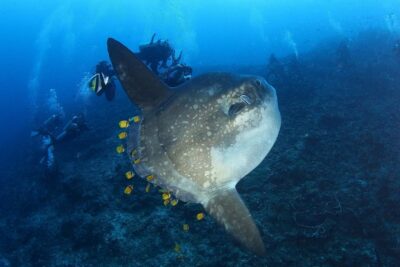
Open Water Course in Nusa Lembongan – Get Certified on remote island (next Bali)
Read our review →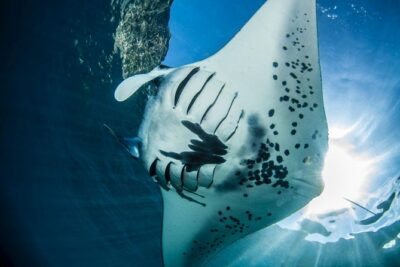
2 Days Discover Scuba Diving in Nusa Lembongan – Scuba Initiation
Read our review →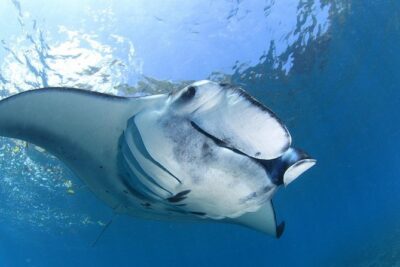
5 Fun Dives in Nusa Lembongan (for certified divers) – Swim with a Mola Mola
Read our review →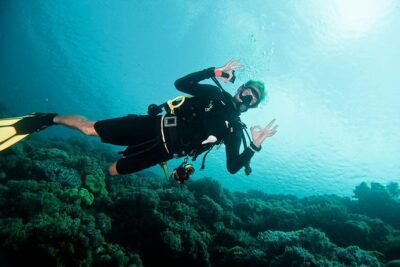
Nusa Penida Two Dives Trip for Certified Divers
Read our review →
Two fun dives morning trip (Certified Divers only)
Read our review →
7 Fun Dives in Nusa Lembongan (for certified divers) – Premium Value Package
Read our review →Browse the lists this tour appears in