
Reviewed · WALKING TOURS
Ubud Guided Walking Tour
Ubud’s story makes more sense when you walk it in sequence, from an old temple and colonial-era bridge to its art museum and royal compounds. I like the small maximum group of eight, which leaves room for questions, and I like that museum admission and special access to a Balinese compound are built into the price. The catch is simple: this is a real three-hour walk, with uneven stairs, steep sections, and patchy sidewalks.
I also appreciate the way the guides connect Ubud’s art scene to its royal family and to the arrival of Hinduism in Bali. Guides named Windari, Win, Ira, and Ilia have been praised for clear explanations, humor, patience, and good answers in English. Bring a refillable bottle, wear shoes suited to uneven ground, and do not expect hotel pickup.
In This Review
- Key points at a glance
- Why this is a smart first walk in Ubud
- Gunung Lebah Temple and the beginnings of Ubud
- Campuhan Ridge and Bali’s colonial past
- Museum Puri Lukisan and the making of Ubud’s art scene
- Ubud Palace and the role of Balinese royalty
- Puri Kantor and access to a Balinese compound
- What the guide adds to the walk
- Walking conditions, weather, and what to bring
- Who gets the best value from $28.36
- A cancellation rule worth noting
- Should you book this Ubud walk?
- FAQ
- How long is the Ubud Guided Walking Tour?
- Where does the tour start?
- Where does the tour end?
- Is hotel pickup or drop-off included?
- Is admission to Museum Puri Lukisan included?
- Can I cancel for a full refund?
Key points at a glance
- Five meaningful stops in three hours: See a temple, ridge walk, art museum, palace, and royal compound without spending a full day sightseeing.
- A useful introduction to Ubud: The route explains how religion, royalty, Western artists, and Balinese traditions shaped the town.
- Small-group format: The maximum is eight people, making conversation with the guide easier than on a large bus tour.
- Museum entry included: The Rp 95,000 admission to Museum Puri Lukisan is covered in the $28.36 price.
- Special compound access: The final stop offers entry to Puri Kantor, linked with Prince Tjokorde Gede Raka Sukawati.
- Plan for Bali’s sidewalks: Uneven temple steps, steep gradients, and weather can affect the pace and start time.
Why this is a smart first walk in Ubud
I would put this tour near the start of an Ubud stay. It gives you a working map of the town, but more importantly, it gives you a way to interpret what you see afterward. A temple gate is not just a photogenic doorway, and a palace is not simply an ornate stop for pictures.
The route covers several forces that shaped Ubud: Hindu worship, royal authority, colonial rule, modern art, and the continuing role of traditional compounds. That is a lot for three hours, but the stops are close enough in theme to form a clear story.
The tour is conducted in English, and an Indonesian guide is also available. The current rating is 5 out of 5 from 79 reviews, with 100 percent recommending it. Ratings can never tell you exactly how a tour will feel on your day, but the repeated praise for the guides’ storytelling, humor, and willingness to answer questions points to the main strength here: the human explanation between the sights.
At $28.36 per person, the cost is fair for a small guided walk with an included museum ticket and access to a private Balinese compound. You are not paying for transport, lunch, or a full-day excursion. You are paying for interpretation and access, which is useful in Ubud because many important details are easy to miss when you walk alone.
A few more Ubud trips to weigh up
- Sidemen Trekking: A Walk from a Different Perspective
★ 5.0 · 94 reviews - Ubud Countryside Tour: Campuhan Ridge Walk and Rice Terrace
★ 5.0 · 72 reviews - Tetebatu Walking Tour – Rice Terraces, Waterfall & Monkey Forest
★ 5.0 · 349 reviews
Gunung Lebah Temple and the beginnings of Ubud
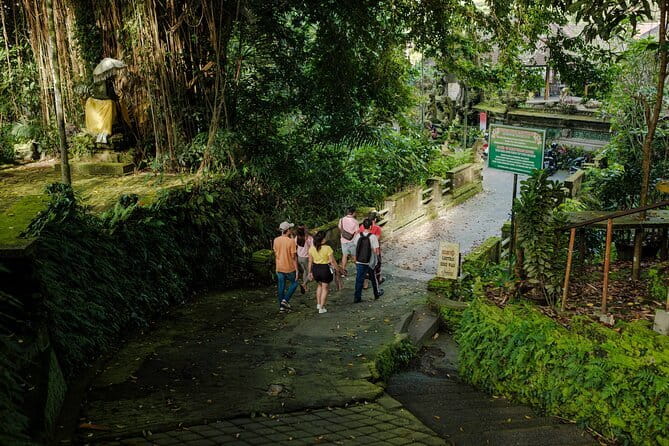
The first stop is Gunung Lebah Temple, described as Ubud’s oldest temple. You spend about 20 minutes outside the temple learning how Hinduism arrived in Bali and how Balinese temples serve their communities.
This opening works well because it starts with belief and daily life rather than jumping straight into royal glamour. You can look at the temple’s architectural features while the guide explains what the structures mean and why the site matters to local people.
The practical point is that this is an active religious place, not a museum set. You should follow the guide’s instructions and treat the temple as a place of worship. The available details do not specify a dress code, so modest clothing is a sensible choice.
You will also encounter the physical side of the route here. Historic religious sites often include steps and uneven surfaces, and this walk specifically warns about uneven temple stairs. If your knees or balance make steps difficult, you should take that seriously before booking.
Campuhan Ridge and Bali’s colonial past
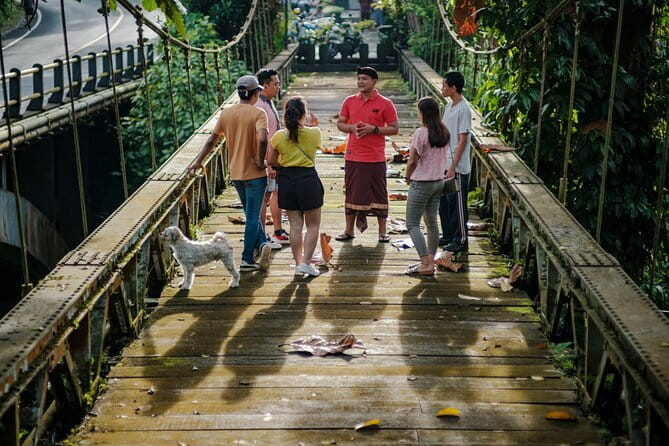
Next comes Campuhan Ridge Walk, including a modest bridge dating from the Dutch colonial era. The stop lasts about 20 minutes and uses this small piece of infrastructure to explain Indonesia’s complicated relationship with Dutch rule and the role of the Dutch East India Company.
This is a good reminder that Ubud’s story is not only spiritual and artistic. Colonial power affected the wider region, and the guide uses an ordinary-looking bridge to place Bali within that larger Indonesian story.
Do not expect a long countryside hike here. The tour description gives the stop 20 minutes, so think of it as a short section of walking and discussion rather than a full ridge excursion. The value comes from the context, especially if you have seen photographs of Campuhan Ridge but know little about the history attached to the area.
The walk may also be more demanding than the word modest suggests. The overall route includes steep gradients and patchy sidewalks. Comfortable walking shoes matter, and you should allow the guide to set a safe pace rather than treating this as a race between stops.
Museum Puri Lukisan and the making of Ubud’s art scene
Museum Puri Lukisan receives the longest scheduled visit, about 45 minutes. That makes sense. It is Ubud’s oldest art museum, and the guide explains the collaboration between Balinese and Western artists during the 20th century.
This is one of the strongest parts of the route for anyone who wants to understand why Ubud became known for art. The museum is not just a collection of attractive paintings. It provides a place to discuss how local artists and Western artists influenced one another, and how that exchange helped shape Ubud’s modern identity.
The entry ticket, listed at Rp 95,000, is included. That improves the value of the tour, since you can focus on the art rather than deciding whether another admission fee fits your day’s budget.
Forty-five minutes is enough for a guided introduction, but not enough for every gallery and every label. I would treat the visit as a framework. If a particular artist, style, or work catches your attention, you may want to return on your own later.
This stop also shows why a guide adds value. A museum can be hard to read when you do not know the local terms, the historical setting, or the connection between art and royal patronage. The guide’s role is to give you the basic structure, then help you notice details you might otherwise pass.
Same island, a completely different day out:
- All-Inclusive Ubud Private Tour
★ 5.0 · 14,344 reviews - Best of Ubud Full-Day Tour with Jungle Swing
★ 5.0 · 8,571 reviews - Ubud: Monkey Forest, Jungle Swing, Rice Terrace, and Water Temple
★ 5.0 · 7,160 reviews - Best of Ubud 1-Day Private Tour
★ 5.0 · 4,451 reviews
Ubud Palace and the role of Balinese royalty
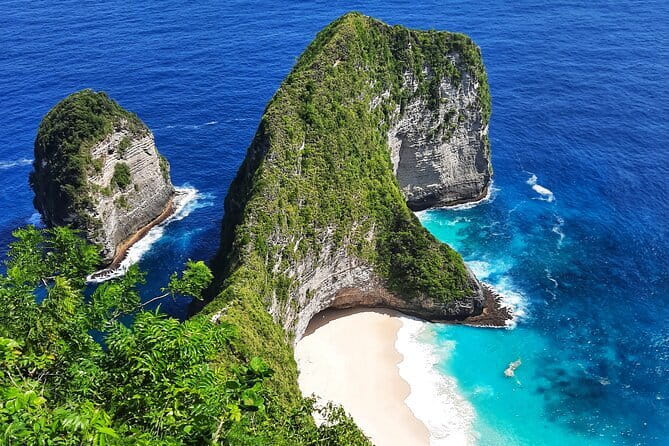
The walk continues to Ubud Palace, where you enter the outer courtyards for about 15 minutes. The guide discusses the past and present roles of Balinese royalty, palace architecture, and traditional cremation rituals.
The short visit is focused rather than exhaustive. You are seeing the outer areas, not receiving a full tour of every part of the palace. That limitation is worth knowing, especially if palace interiors are your main reason for booking.
Still, the stop fits neatly with the museum visit. Ubud’s royal family was not separate from the town’s cultural life. Royal support and local leadership helped create the conditions in which artists, religious figures, and cultural groups could shape Ubud.
The mention of cremation rituals adds another important layer. Balinese ceremonies can look elaborate from the outside, but a guide can explain the beliefs and community role behind them. This is exactly the sort of subject where a respectful explanation is more useful than a quick photograph.
The palace can also be a busy urban stop, and the tour is conducted on foot through an active town. Keep your belongings close and listen for the guide when crossing or moving through crowded areas. The supplied information confirms that the route is near public transportation, but it does not include a private vehicle or hotel transfer.
Puri Kantor and access to a Balinese compound

The final stop is Puri Kantor on Jalan Suweta, where the tour offers special access to a Balinese compound. This is connected with Tjokorde Gede Raka Sukawati, the Prince of Ubud and a co-founder of the Pitamaha Foundation.
This closing visit gives the walk a more personal setting after the public temple, bridge, museum, and palace. A compound can help you understand how Balinese family and community spaces differ from the formal courtyards of a major palace.
You spend about 20 minutes here. That is not long enough for every corner or a lengthy architectural study, but it gives the tour a distinctive finish. Many Ubud walks stop at the same public landmarks. Access to a specific royal compound makes this route feel less like a simple checklist.
The connection to Prince Tjokorde Gede Raka Sukawati also ties together the tour’s themes. By this point, you have heard about temples, colonial influence, art, royalty, and ceremony. The compound provides a final place to consider how those traditions continue in modern Ubud.
The end point is Puri Kantor, Jalan Suweta No. 1, rather than the starting restaurant. Plan your next move from there. Since pickup and drop-off are not included, you are responsible for getting to the meeting point and arranging your onward transport.
What the guide adds to the walk

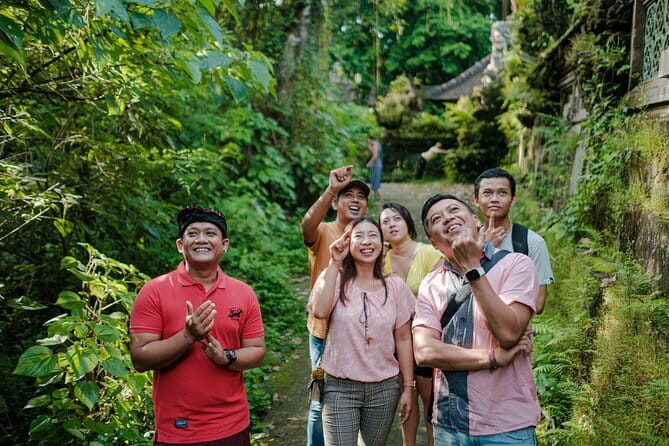
The strongest praise for this experience focuses on the guides’ ability to tell stories and handle questions. Windari is described as both expert and funny, while Win is praised for being an especially warm host. Ira is noted for thoughtful answers and clear English, and Ilia is described as considerate and informative.
Those details matter because this tour covers subjects that can feel dry when presented as dates and names. The best guide turns the Dutch colonial period into a story about power, makes temple architecture easier to read, and explains why a museum matters beyond its walls.
The guide names come from individual departures, so you should not assume that Windari, Win, Ira, or Ilia will lead your particular walk. What you can count on from the provided details is an English-speaking local guide, with an Indonesian guide option also available.
The maximum group size of eight is another practical advantage. It does not guarantee a private tour, but it should make it easier to hear, ask questions, and keep the group together on narrow or uneven sections. The experience has also been described as personal and interactive, which fits a walk better than a lecture.
Walking conditions, weather, and what to bring
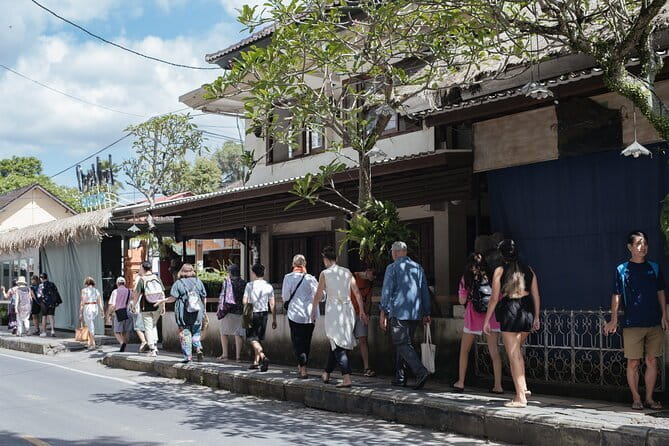
This is an urban walking tour, but it is not a flat stroll on smooth pavement. Expect uneven temple stairs, steep gradients, and patchy sidewalks. Most people can participate, and service animals are allowed, but you need to be physically able to climb steps and walk for up to three hours.
Wear shoes with a secure sole. Bring water in a reusable bottle, since the operator encourages refills to reduce plastic in Bali’s rivers. Food and drinks bought outside the tour are not included, so carry what you need for the walk.
The tour operates rain or shine. Severe conditions, such as an intense downpour, can affect the start time, and the operator says it will call before the tour when conditions are serious. Bali weather can change quickly, so a light rain layer is a practical addition.
A mobile ticket is provided, and confirmation arrives when you book. The meeting point is Cantina Rooftop Restaurant at UbudSayan in Ubud. Since there is no accommodation pickup, check the route to the restaurant before the day of the walk.
Who gets the best value from $28.36
I see this as a strong value for a first-time visitor who wants more than a list of photo stops. The price includes a local English-speaking guide, a three-hour walk, the Museum Puri Lukisan entrance fee, special access to a Balinese compound, and local discounts.
It is less useful if you want a relaxed day with long breaks, shopping time, or transport between sights. Five stops in three hours means the pace has purpose. You will hear explanations at each place, but you will not have unlimited time to wander.
The tour suits solo visitors and couples who want company without joining a large group. It also works for people who prefer asking questions as they go. Families may find it useful if everyone can manage the stairs and walking time, though the supplied information does not give a minimum age or child-specific program.
Art lovers should pay attention to the museum section. Anyone interested in Balinese religion, royal traditions, or colonial history will also find a clear introduction here. If your priority is a long Campuhan Ridge hike, this tour may feel too short in that part of the route.
A cancellation rule worth noting
You receive a full refund if you cancel at least 24 hours before the local start time. Cancellations or changes made within 24 hours are not refunded or accepted, so check your schedule and the weather forecast before that deadline.
Should you book this Ubud walk?
I would book it if you want an efficient introduction to Ubud’s culture with a guide who can connect the sights into one story. The combination of Gunung Lebah Temple, Campuhan Ridge, Museum Puri Lukisan, Ubud Palace, and Puri Kantor gives you more range than a walk focused only on temples or shopping streets.
Book it early in your stay, wear proper shoes, and arrive ready for a three-hour walk rather than a gentle parade between attractions. Skip it if stairs are a serious problem, if you need hotel transport, or if you want a full museum visit and a long ridge hike in the same outing.
For most physically capable visitors who value explanation, small groups, and access to places you might not enter alone, $28.36 is a sensible buy.
FAQ
How long is the Ubud Guided Walking Tour?
The tour lasts approximately three hours.
Where does the tour start?
The meeting point is Cantina Rooftop Restaurant at UbudSayan, Ubud, Gianyar Regency, Bali, Indonesia.
Where does the tour end?
The tour ends at Puri Kantor, Jalan Suweta No. 1, Ubud, Kecamatan Ubud, Kabupaten Gianyar, Bali 80571, Indonesia.
Is hotel pickup or drop-off included?
No. The tour does not provide pickup or drop-off from your accommodation.
Is admission to Museum Puri Lukisan included?
Yes. The Museum Puri Lukisan entrance ticket is included, with a listed value of Rp 95,000.
Can I cancel for a full refund?
Yes, if you cancel at least 24 hours before the experience start time. Cancellations within 24 hours are not refunded, and changes within that period are not accepted.
Just added around Ubud
- Bali Airport Pick-up to Ubud (Arrival Transfer)★ 5.0 · 4 reviews
- Bali Airport: One-Way Private Transfer To/From Hotel★ 5.0 · 25 reviews
- Munduk Car Hire with English Speaking Driver★ 5.0 · 14 reviews
- Bali Airport – Arrival Transfer★ 5.0 · 5 reviews
- Bali ATV Quad Bike and White Water Rafting – All Inclusive★ 5.0 · 7 reviews
- Bali ATV Ride Ubud Jungle Track★ 4.5 · 5 reviews
- Combo Bali ATV Ride with Ayung River Rafting All Inclusive★ 4.5 · 12 reviews
- Bali All Inclusive : Tlaga Singha Infinity Pool & Atv Adventure★ 5.0 · 21 reviews
Walking Tours, compared.
Tetebatu Walking Tour – Rice Terraces, Waterfall & Monkey Forest
Read our review →
Small-Group Walking and Food Tour by Night in Yogyakarta
Read our review →
Bali Private Food Walking Tour With Locals: The 10 Tastings
Read our review →
Sidemen Trekking: A Walk from a Different Perspective
Read our review →
Ubud yoga, rice terrace walk and floating Breakfast tour
Read our review →

Ubud Countryside Tour: Campuhan Ridge Walk and Rice Terrace
Read our review →
Private Tour: Campuhan Ridge Walk, Ubud Rice Terrace & Ubud Palace
Read our review →Browse the lists this tour appears in