
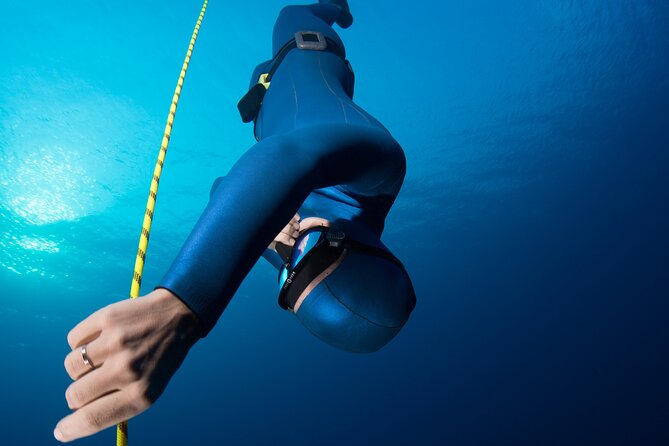
Reviewed · NUSA PENIDA TOURS
3-Day Freediving Level 1 Course
Nusa Penida is a fine place to learn freediving: warm tropical water, coral, fish, and a quiet world that appears the moment you stop relying on a tank. This three-day course moves from theory and pool work to open-water descents, with most students reaching 15 to 20 meters and holding a breath for more than two minutes by the end. Small classes make that progress feel carefully managed rather than rushed.
I like two things right away. First, the course welcomes complete beginners who can swim, so you do not need a long history of water sports. Second, all freediving equipment is supplied, and underwater photos let you take home more than a certificate. Instructors such as Artem, Roberto, Seva, Hamza, Gaston, and others are praised for patient coaching and clear feedback.
The main consideration is time. This is not a casual half-day activity. You will be at the school from 8:30 a.m. to 4:30 p.m. for three days, with lunch, accommodation, and private transport left to you. The schedule is intensive, and moderate physical fitness is expected.
In This Review
- Key points to know before booking
- What three days at Freedive Nusa really involve
- Day one: learn to relax before going lower
- Day two: turn technique into controlled practice
- Day three: take the skills into Nusa Penida’s sea
- Why the four-to-one ratio matters underwater
- The equipment and what you still need to arrange
- Is $450 a fair price for three days?
- Who will get the most from this course?
- Practical planning for Nusa Penida
- Should you book the three-day Level 1 course?
- FAQ
- Where does the freediving course take place?
- How long does the course last?
- Do I need previous freediving experience?
- How many people are in each class?
- What training sessions are included?
- How deep might I reach by the end?
- What is included in the $450 price?
- Are lunch, accommodation, and transport included?
- Can I cancel for a refund?
Key points to know before booking
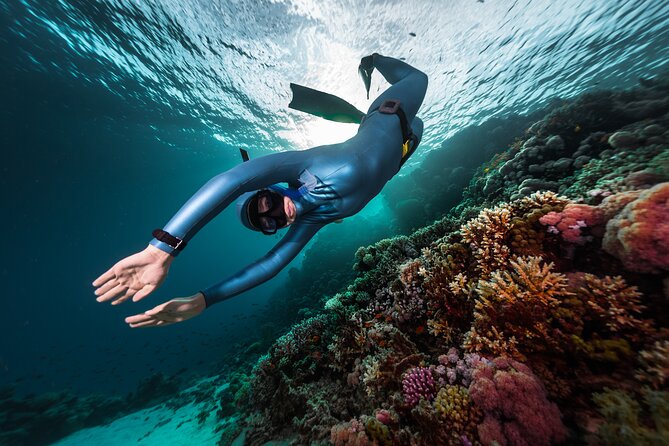
- Three days from basics to open water: Expect theory, two confined-water sessions, and three open-water sessions.
- A maximum of four students per instructor: The small ratio allows closer attention to breathing, technique, and safety.
- Beginner-friendly entry point: You only need to be able to swim. No previous freediving experience is required.
- Typical Level 1 goals: Many students reach 15 to 20 meters and hold their breath for over two minutes, though results vary.
- Useful inclusions: Equipment, taxes and fees, certification, digital learning materials, and underwater photos are covered.
- Plan your own extras: Lunch, accommodation, and private transportation are not included.
What three days at Freedive Nusa really involve
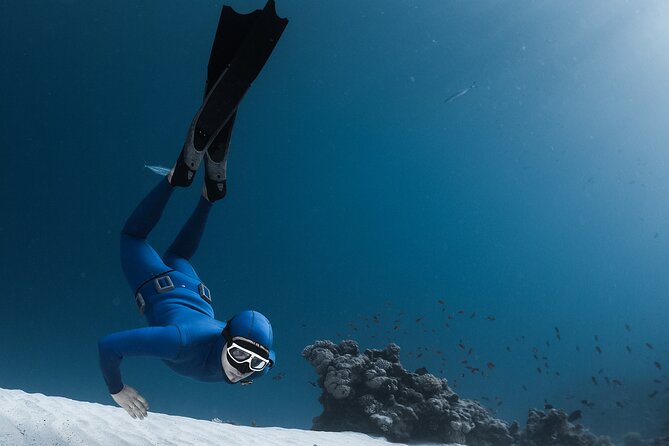
The course begins at Freedive Nusa, on Jalan Ped in the Ped area of Nusa Penida. Your daily schedule runs from 8:30 a.m. until 4:30 p.m., including a lunch break. That is a proper training day, not a quick introduction squeezed between sightseeing stops.
The structure is sensible. You first learn the ideas behind safe breath-hold activity, then practice them in controlled water before moving to the sea. This order matters. Freediving is not simply swimming downward and hoping to stay calm. You need to understand breathing, equalization, body position, relaxation, and how to return safely.
The course includes land-based theory, two confined-water sessions, and three open-water sessions. The supplied description does not give a fixed hour-by-hour plan for each day, so the exact order may be adjusted by the instructor, weather, water conditions, and group progress.
That flexibility is useful, especially for first-timers. You do not want an instructor forcing the same target on every student. A cautious student may need more time to relax or equalize, while someone comfortable in water may be ready for a greater challenge.
A few more Nusa Penida trips to weigh up
- Best of Bali 3-Day Packaged Tour
★ 5.0 · 503 reviews - 3Days – Tumpaksewu Bromo Ijen Adventure via Malang or Surabaya
★ 5.0 · 405 reviews - 3-Day Ethical Orangutan Jungle Trek | Bukit Lawang, Sumatra
★ 5.0 · 401 reviews
Day one: learn to relax before going lower
Your first day is likely to focus heavily on foundations. Theory may feel less exciting than getting into the water, but it is one of the most valuable parts of the course. You learn why breath-hold activity must be approached with control, how to prepare, and how to recognize your own limits.
The school describes the course as open to people with no prior water-sport background, provided they can swim. That makes the first day especially important. You are not expected to arrive already knowing how to manage a mask, fins, breath, and equalization all at once.
The confined-water sessions provide a calmer setting than the open sea. In a pool or similar controlled area, you can work on technique without the added movement and visual distractions of the ocean. This is where you begin to understand that staying relaxed is often more useful than trying harder.
The feedback style appears to be a major strength of the school. Artem is praised for balancing encouragement with a gentle push toward a personal challenge. Roberto is described as supportive, particularly for a beginner who was initially nervous about being underwater without breathing. That kind of coaching can make the difference between tense, hurried practice and a calm learning curve.
Do not treat the first day as a test of toughness. Your job is to build comfort, listen closely, and learn how your body responds. A good Level 1 course should leave you curious and confident, not exhausted from chasing a number.
Day two: turn technique into controlled practice
By the second day, the course begins to feel more physical. You will continue practicing breath control and body movement, with the instructor watching for small changes that affect comfort and efficiency.
The small group size is especially useful here. With no more than four students per instructor, you should have more opportunity for direct comments after each attempt. You are not lost in a crowd waiting for a short turn. The instructor can notice details such as unnecessary movement, rushed preparation, or trouble equalizing.
The goal is not to hold your breath as long as possible on land. Freediving requires calm preparation and careful movement in water, along with a responsible buddy and instructor system. The course is designed to make those habits part of the process.
The second confined-water session gives you another chance to correct mistakes before the open-water work. That progression should suit people who are new to breath-hold activity. You can repeat a skill, ask questions, and gain a better sense of your own pace.
Some students may feel a mental barrier at this point. Being underwater without breathing can seem unnatural, even if you are a strong swimmer. One beginner described initially feeling afraid, then becoming more comfortable gradually. That is a useful expectation to carry into the course: unease at first is not a sign that you cannot learn this.
Your instructor may encourage you to stretch beyond your first comfortable limit, but you should not confuse encouragement with pressure. The best result is a controlled attempt that teaches you something. A deeper number is worthwhile only when your technique and safety remain sound.
Day three: take the skills into Nusa Penida’s sea
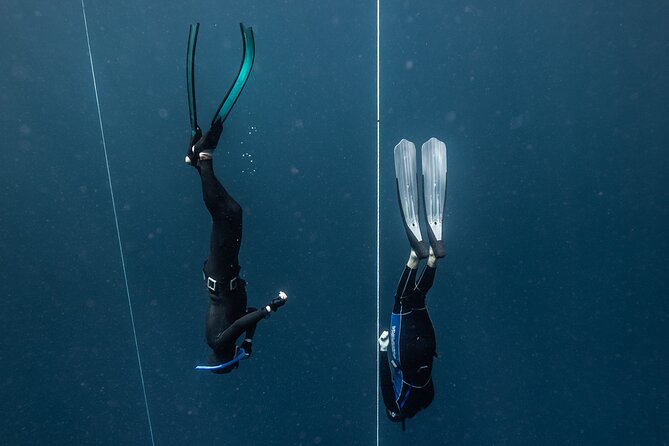
The final day includes open-water training, the part most people picture when booking this course. Nusa Penida gives the setting genuine appeal. You can expect to practice in the sea among coral and tropical fish, rather than spending all three days indoors.
The supplied schedule includes three open-water sessions across the course. That is enough time to experience how the ocean changes the task. Water movement, visibility, depth, and the open space around you can make a familiar pool exercise feel new.
Underwater photos are included, which is a thoughtful extra. They provide a record of your position in the water and your progress, while also giving you a personal souvenir of the coral and fish. Do not book the course only for photographs, though. The photos are a bonus to a structured training program, not the central product.
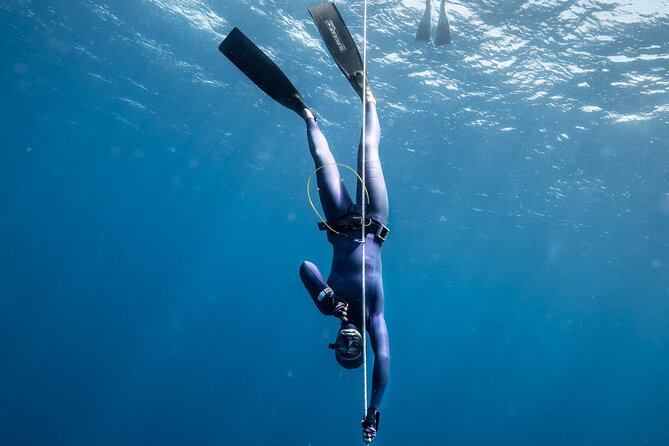
At Level 1, most students can reach 15 to 20 meters, or about 50 to 65 feet, and hold their breath for longer than two minutes by the end. Those figures help you understand the course’s intended level, but they are not promises. Your result depends on comfort, fitness, equalization, prior swimming ability, and how your body responds to the training.
The certificate is included once you complete the course requirements. Digital learning materials are also supplied, so the course does not end the moment you leave the school. You can use that material to review key ideas and keep practicing responsibly after returning home.
Same island, a completely different day out:
- ️Nusa Penida by Private Boat – Snorkeling 4 spots, Swim with Mantas + Land Tour
★ 5.0 · 6,424 reviews - Open Water Course in Nusa Lembongan – Get Certified on remote island (next Bali)
★ 5.0 · 864 reviews - 2 Days Discover Scuba Diving in Nusa Lembongan – Scuba Initiation
★ 5.0 · 506 reviews - Advanced Open Water Course – Advanced Certification in Lembongan (next to Bali)
★ 5.0 · 222 reviews
Why the four-to-one ratio matters underwater
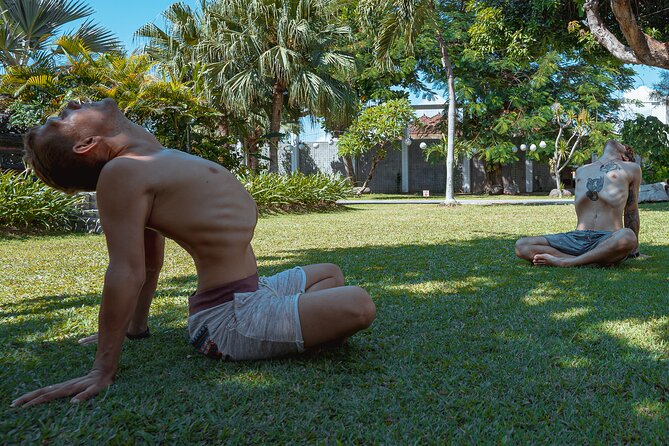
A maximum of four students per instructor is one of the strongest practical features here. Freediving is quiet and individual, but it is not a solo activity. You need supervision, careful timing, and clear attention to safety.
A small group lets the instructor monitor each person more closely. It also means you can ask questions without holding up a large class. If you are nervous, that personal contact can help you settle. If you progress quickly, the instructor can offer a suitable next step rather than giving everyone the same exercise.
Several instructors receive especially warm praise for their manner. Seva is described as patient, kind, funny, and careful about making students feel safe. Hamza is praised for patience and for building confidence. Gaston is repeatedly associated with professional, supportive instruction, while Gas and Chiara are noted for making the theory clear and easy to remember.
Instructor assignment can vary, so you should not book on the assumption that one particular teacher will lead your course. The useful point is that the school has a team with a consistent emphasis on support, explanation, and measured progress.
The equipment and what you still need to arrange
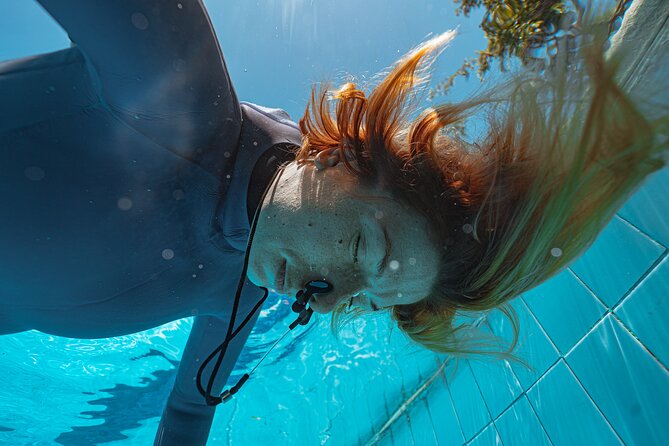
You do not need to purchase special freediving gear before arriving. Equipment use is included, along with all fees and taxes. That keeps the $450 price easier to understand, especially for a first course when buying a full set of equipment would be premature.
You still need to bring ordinary personal items suitable for three active days in a tropical setting, though the supplied information does not list a required packing list. It is sensible to confirm any school-specific clothing or personal equipment advice before you go.
The price does not include lunch. You also arrange your own accommodation and private transportation. The meeting point is Freedive Nusa, Freediving School, Jl. Ped-Buyuk No. Desa, Ped, Kecamatan Nusa Penida, Bali 80771, Indonesia.
This makes the course easiest for people already staying on Nusa Penida or for those comfortable arranging their own way there. If you are planning a short Bali visit packed with mainland excursions, allow extra time for the island transfer and daily travel. The course itself finishes back at the meeting point each day.
Is $450 a fair price for three days?
At $450 per person, this is not a cheap activity by casual-tour standards. It is better judged as a compact training course rather than a sightseeing outing.
You are paying for three full days, instruction, equipment, certification, digital study material, and a maximum class size of four students per instructor. You also receive underwater photos. For a first step into freediving, avoiding a large equipment purchase adds real value.
The cost becomes less attractive if you only want a single morning in the sea or a simple snorkeling session. This course asks you to commit to theory, repeated practice, and a full daily schedule. That commitment is precisely what makes it useful, but it will not suit someone seeking a loose, low-effort holiday activity.
I would compare the price with the value of skilled supervision rather than with the cost of a boat trip. The course gives you skills that can remain useful beyond Nusa Penida, provided you continue to practice safely and do not treat the Level 1 certificate as permission to train alone.
Who will get the most from this course?
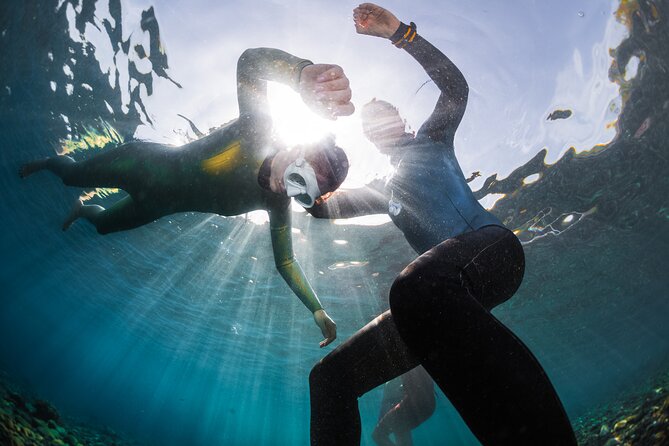
This course suits a beginner who can swim and wants a proper introduction rather than a one-off underwater thrill. You do not need previous freediving experience, which removes the biggest barrier for many first-timers.
It is also a good fit if you enjoy learning by repetition. Three days gives you time to make an early mistake, receive feedback, try again, and notice genuine improvement. One student described making substantial progress in only three days, but you should still expect your own progress to follow its own pace.
The course may appeal to nervous swimmers too, provided you are comfortable entering the water and can swim. Roberto’s support of a beginner who initially feared breath-hold activity suggests that the teaching approach can help people build confidence step by step.
It is less suitable if you dislike fixed schedules, do not want classroom theory, or need transport and meals bundled into the price. It may also be a poor fit if you expect a guaranteed 20-meter descent or a two-minute breath hold. Those are common end goals, not assured outcomes.
Practical planning for Nusa Penida
Book with enough time to reach the meeting point by 8:30 a.m. The activity operates daily from 8:30 a.m. to 4:30 p.m., but the information provided does not include hotel pickup, so you should arrange transport yourself.
Plan your accommodation around the school’s location in Ped if possible. This can make early starts simpler and leave you less dependent on private transport. Lunch is not included, so confirm how the break works and where you can obtain food before the first morning.
The activity has a mobile ticket and confirmation is provided at booking. The stated operating period runs through December 8, 2026, with availability listed Monday through Sunday. Conditions at sea can affect open-water training, so keep your wider Nusa Penida plans flexible.
Cancellation is free up to 24 hours before the start time for a full refund. Inside that window, the amount paid is not refunded, and changes are not accepted. The cut-off uses local time, so check the deadline carefully if you are booking from another time zone.
Should you book the three-day Level 1 course?
Book it if you want a serious, beginner-friendly start to freediving in a tropical setting. The combination of a four-to-one instructor ratio, pool and open-water practice, supplied equipment, certification, and underwater photos gives the $450 fee a reasonable purpose.
I would especially recommend it to swimmers who are curious but cautious. The course builds comfort in stages, and the instructors are repeatedly praised for patience, clear explanations, and personal encouragement. You should come ready to work, listen, and accept that your final depth may be different from someone else’s.
Skip it if you want a quick ocean outing, included meals, or a package with transport and accommodation. For everyone else, three days at Freedive Nusa offers a measured way to learn how quiet and demanding the underwater world can be, while keeping safety and personal progress at the center.
FAQ
Where does the freediving course take place?
The course takes place at Freedive Nusa, Freediving School, on Jl. Ped-Buyuk in Ped, Nusa Penida, Bali, Indonesia.
How long does the course last?
The course lasts approximately three days. Each day runs from 8:30 a.m. to 4:30 p.m., including a lunch break.
Do I need previous freediving experience?
No. Previous experience is not required. You only need to be able to swim to participate.
How many people are in each class?
The activity has a maximum of four students per instructor.
What training sessions are included?
The course includes theory and practical sessions on land, two confined-water sessions, and three open-water sessions.
How deep might I reach by the end?
Most students can reach about 15 to 20 meters, or 50 to 65 feet, on one breath by the end of the course. Individual results vary.
What is included in the $450 price?
The price includes freediving equipment, all fees and taxes, freediving certification, digital learning materials, and underwater photos.
Are lunch, accommodation, and transport included?
No. Lunch, accommodation, and private transportation are not included. The activity ends back at the meeting point.
Can I cancel for a refund?
Yes. You can cancel at least 24 hours before the experience starts for a full refund. Cancellations or changes made less than 24 hours before the start time are not accepted for a refund.
Just added around Nusa Penida
- Try Scuba Diving for Beginners with manta rays (Non – Certified)★ 4.5 · 31 reviews
- Try Freediving on Nusa Penida★ 5.0 · 30 reviews
- Snorkeling 4 Spot With Manta Bay Or Optional Land Trip★ 5.0 · 14 reviews
- Thrilling Off Road Adventure Explore Nature with ATV With Lunch★ 5.0 · 3 reviews
- Seaweed Farming Activity and Sightseeing at Diamond Beach★ 4.5 · 3 reviews
- Reef Rehabilitation Course and Snorkeling★ 5.0 · 7 reviews
- Certified Scuba Dive with Manta Rays (Open Water Diver minimum)★ 5.0 · 55 reviews
- One Day Nusa Penida Island East★ 5.0 · 29 reviews
Nusa Penida Tours, compared.
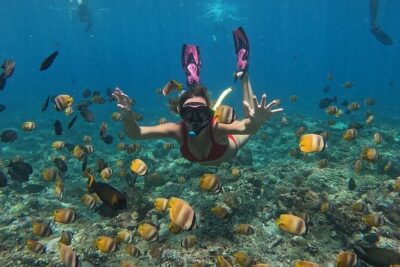
️Nusa Penida by Private Boat – Snorkeling 4 spots, Swim with Mantas + Land Tour
Read our review →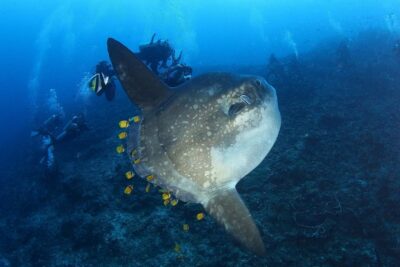
Open Water Course in Nusa Lembongan – Get Certified on remote island (next Bali)
Read our review →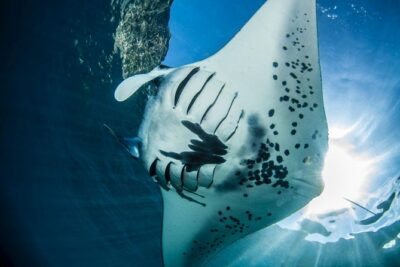
2 Days Discover Scuba Diving in Nusa Lembongan – Scuba Initiation
Read our review →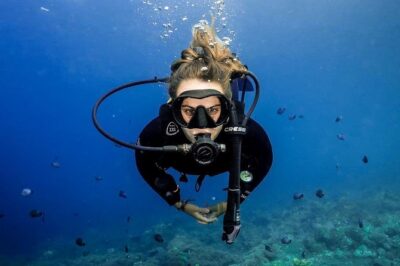
Advanced Open Water Course – Advanced Certification in Lembongan (next to Bali)
Read our review →
5 Fun Dives in Nusa Lembongan (for certified divers) – Swim with a Mola Mola
Read our review →
Nusa Penida Two Dives Trip for Certified Divers
Read our review →
Two fun dives morning trip (Certified Divers only)
Read our review →
Browse the lists this tour appears in