
Reviewed · 3-DAY EXPERIENCES
3 Days and 2 Nights Summit Via Sembalun
Mount Rinjani gives you a full mountain story in three days: a hard climb through Sembalun, a summit sunrise, volcanic views, a crater lake, hot springs, and a long descent into Senaru. This is not a gentle walk with a pretty viewpoint at the end. It is a serious hike with two nights in a tent.
I like the porter support, which lets you carry a small day pack instead of a full camping load. I also like the route’s variety: the summit is only one part of it, and you get time at Segara Anak Lake and the hot springs. The main caution is simple: day two is especially demanding, and this trip suits people with moderate fitness who are comfortable with steep, rough mountain trails.
In This Review
- Key points
- What $220 covers on Mount Rinjani
- Meeting in Senaru, then climbing from Sembalun
- Day one: Sembalun Village to the 2,639-meter crater rim
- Day two: summit views, volcanic lake, and hot springs
- Day three: sunrise and the descent to Senaru
- What you carry, and what the porters handle
- The honest difficulty level
- What the experience gets right
- Who should book this Rinjani route?
- Should you book the 3-day Sembalun summit trek?
- FAQ
- How long does the Mount Rinjani trek last?
- Where does the tour meet and finish?
- Is transport from Senaru to Sembalun included?
- What camping equipment is supplied?
- Do I need to carry my own backpack?
- Is the Sembalun entrance fee included?
- What fitness level is required?
Key points
- Sembalun start, Senaru finish: You meet in Senaru, ride to Sembalun, and return to Senaru after crossing the mountain.
- Two nights of camping: A tent, sleeping bag, mattress, pillow, toilet tent, table, and chairs are supplied.
- A real summit attempt: The first day reaches Sembalun Crater Rim at 2,639 meters, followed by the summit section.
- Porters carry shared gear: Cooking and camping equipment are handled for you, though you still need a small personal pack.
- Lake and hot springs included: The route adds time at Segara Anak Lake and its nearby bathing area.
- Small group size: The maximum is 15 people, with a guide and porter team.
What $220 covers on Mount Rinjani
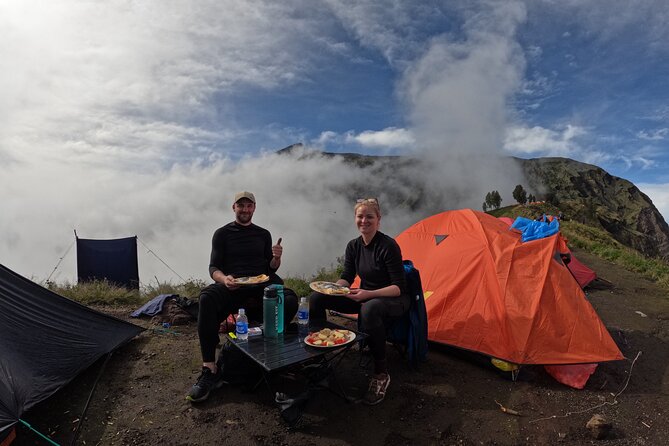
The price is $220 per person, which is a sensible package price for a guided, multi-day mountain trip if you need camping equipment and porter help. You are not just paying for a walk and a guide. The fee includes transport from Senaru to Sembalun, a trekking guide, porters for cooking and camp equipment, meals prepared on the mountain, and the basic sleeping setup.
Your camp equipment includes a tent, toilet tent, sleeping bag, mattress, pillow, chair, and table. A medical check costing IDR 25,000 per person and a plastic raincoat are also included. That saves you from arranging a full camping kit before arriving in Lombok.
The value is strongest if you are traveling light or arriving from abroad without trekking equipment. Past groups have also been able to rent or borrow extra gear through the operator, although you should confirm what is available before departure rather than count on a particular size or item.
There are still important extra costs. The Sembalun Village entrance fee is listed as IDR 600,000 per person, and it is not included. You also pay for personal travel insurance, transport to Lombok, tips for the guide and porters, and any extra porter service. An additional porter is listed at $25 per day.
The package is generous, but do not read the included gear as a complete personal wardrobe. You need trekking shoes, long pants, gloves, a jacket, and a small day pack. You carry your personal clothing, water, valuables, and any medication you need.
A few more Lombok trips to weigh up
- Rinjani Trekking 3D2N Summit
★ 4.5 · 85 reviews - Rinjani Trekking 3 Days 2 Nights (Sembalun – Senaru)
★ 5.0 · 84 reviews - Rinjani Trekking Three Days Two Night Summit Lake
★ 4.5 · 73 reviews
Meeting in Senaru, then climbing from Sembalun
The practical wrinkle is that the meeting point is in Senaru, while the climb begins in Sembalun Village at about 1,150 meters. Transport between the two starting points is included, so you meet the team in Senaru and ride to Sembalun before walking.
This arrangement matters when you plan your Lombok stay. The tour ends back at the Senaru meeting point, not at Sembalun. Keep your timing flexible around the trek, since the activity lasts about three days and the mountain schedule can make the final return time less predictable.
The group limit is 15 people. That is small enough for a guide to keep an eye on the pace, though it is not a private hike. If you are traveling alone, the group format can be useful because you join a ready-made team without paying a private-tour price.
Guides named by past participants include Joe, Sapar, and Awal, while Ketchup has also been praised for helping organize the experience. Your assigned guide may be different, so treat those names as examples, not a promise. The important point is that the trip is designed around an English-speaking guide and a porter team.
Day one: Sembalun Village to the 2,639-meter crater rim
The first day covers roughly seven hours and ends at Sembalun Crater Rim, also called Pelawangan Sembalun, at 2,639 meters. The day begins from open highland country and gradually becomes a long uphill push toward the rim.
The final three hours include a prolonged, steep climb. This is where the route stops feeling like a country walk and starts demanding steady effort. Your porter carries the shared cooking and camping equipment, but the slope still asks plenty from your legs.
I suggest setting a calm pace from the start. The aim is not to race the first section and suffer later. Use the breaks to drink, eat, adjust your layers, and check your feet. A small personal pack is far more useful than a heavy backpack, but it still needs careful packing.
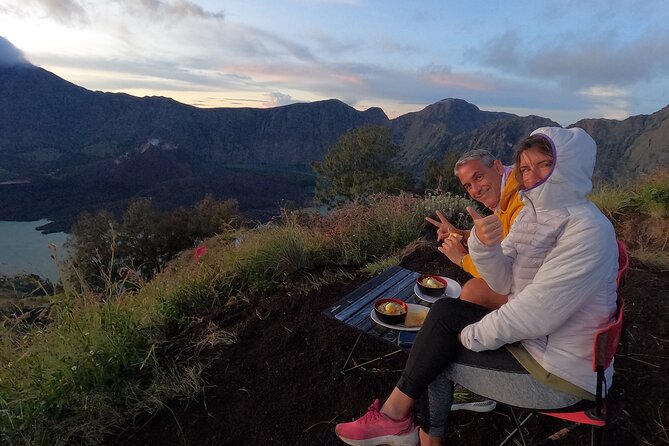
The crater rim is the reward for that first hard day. You camp high on the mountain, with the crater and surrounding views providing the first big sense of place. The sleeping arrangements are basic, as you would expect at this altitude: tent, mattress, sleeping bag, and a shared camp setup rather than a mountain lodge.
The supplied chairs and table may sound like small extras, but they make meal breaks more comfortable. Food is one of the strong points of this operation. Menus are described as plentiful and varied, with meals that do not simply repeat the same basic dish every day.
Do not expect hotel comfort. You are camping on a volcanic mountain, and the toilet tent is functional rather than luxurious. Still, having the equipment, cooking team, and camp arranged for you changes the trip from a self-supported expedition into a manageable guided trek.
Day two: summit views, volcanic lake, and hot springs
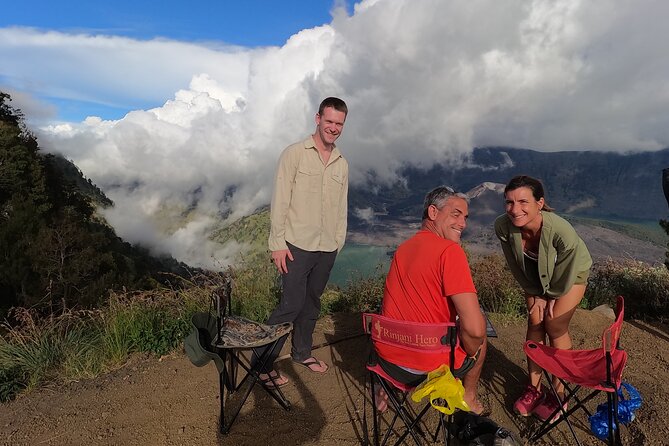
Day two is the big one, taking about 10 hours. It combines the summit attempt with a long descent toward Segara Anak Lake and time at the hot springs. This is the day that separates a moderately fit hiker from someone who has only prepared with occasional short walks.
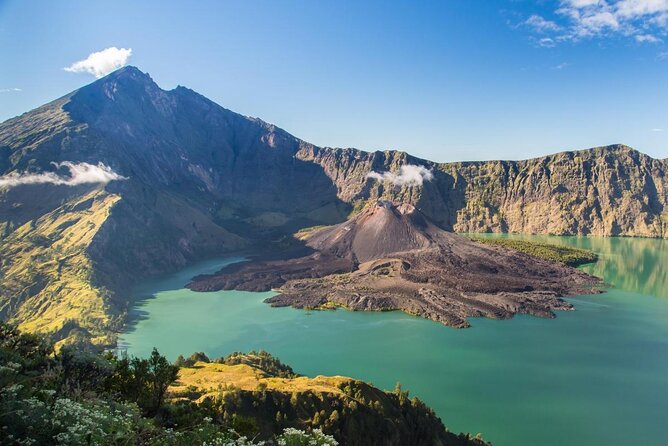
From the summit, you can see across Lombok and toward Bali and Sumbawa, as well as down to Segara Anak Lake. The summit section is the trip’s main physical challenge, but it also supplies the clearest payoff. You are high enough to understand the shape of the island rather than simply looking at one nearby valley.
Weather and trail conditions can affect how much you see. The tour promises the route and the guide, not a guaranteed clear sunrise. Go for the mountain experience first, and regard the widest views as a bonus.
After the summit, the route drops toward the lake. Descending is easier on the lungs, but it can be rough on knees and feet, especially after the early summit effort. Trekking poles would be useful, though they are not listed among the included items.
At Segara Anak, you have a chance to explore the lake area, swim, and visit the volcanic hot springs. The bathing area is about 100 meters from the lake. This pause gives the day a welcome change of pace and lets you wash off some of the dust before the next camp or trail section.
The hot springs are more than a photo stop. After a long ascent and descent, warm water can feel like a genuine treat. Keep your expectations practical: this is a mountain bathing area, not a spa, and the visit takes place within a demanding trekking day.
Past route descriptions also include climbing the opposite side of the crater toward Senaru Crater Rim. That section is a major reason day two feels so tough. You gain and lose elevation repeatedly, and the mountain does not hand you an easy final stretch after the summit.
Food and camp support matter most here. The operator provides cooking gear and meals, while porters move the shared equipment. Several named guides, including Sapar, Joe, and Awal, have been praised for helping people through difficult sections. Your experience will still depend on your fitness, weather, and group pace, but a present guide is valuable on a day this long.
Same island, a completely different day out:
- Learn to cook Indonesian food at Gili Cooking Classes Trawangan
★ 5.0 · 352 reviews - Tetebatu Walking Tour – Rice Terraces, Waterfall & Monkey Forest
★ 5.0 · 349 reviews - Gili Island Snorkeling Trip – Gili Trawangan, Gili Meno, & Gili Air, From Lombok
★ 5.0 · 330 reviews - Snorkeling with turtle and statue in Gilis
★ 4.5 · 301 reviews
Day three: sunrise and the descent to Senaru
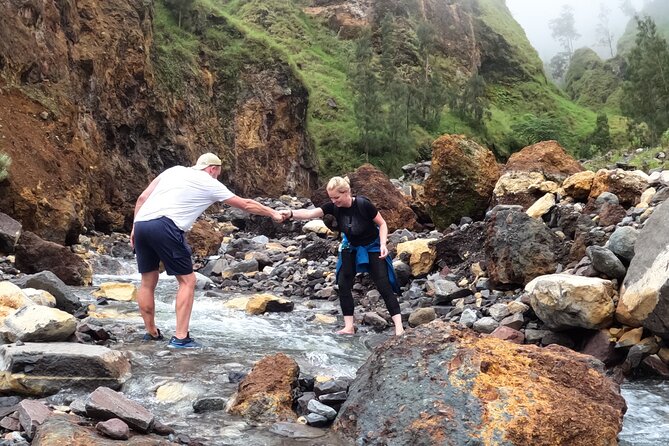
The final day takes about five hours. You have breakfast, enjoy the sunrise and lake views, then descend toward Senaru village. A lunch break is planned somewhere between Post 1 and Post 2.
Compared with summit morning and the long second day, the schedule is shorter. It is not effortless, though. After two days of climbing, your legs may feel heavy, and the downhill trail can test your balance. Take care with every step instead of treating the last day as a quick exit.
The route finishes at the Senaru meeting point, bringing the trip back to where you started administratively, even though the walking began in Sembalun. That cross-mountain route is one of the best features of the tour. You see Rinjani from more than one side instead of walking up and down the same trail.
The planned lunch stop also helps break up the descent. Mountain meals are reported as a strength of the experience, with generous portions and varied menus. That is useful after several hours on foot, though you should still bring personal snacks if you know you need food between scheduled meals.
What you carry, and what the porters handle
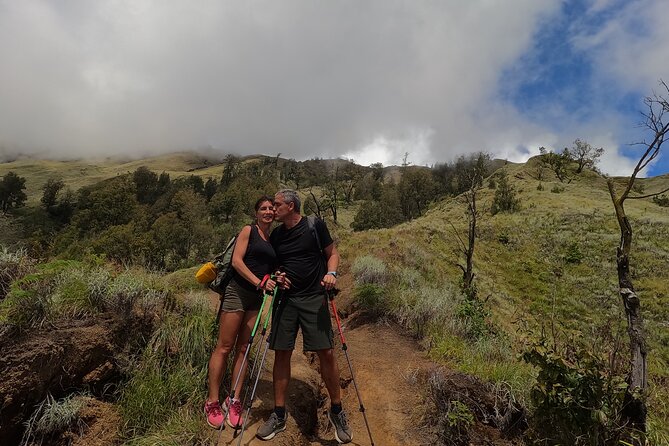
Porters carry the cooking equipment and camping gear. That includes the tent, sleeping setup, table, chairs, and toilet tent. This is a major advantage, but it does not mean you can arrive empty-handed.
Bring a small day pack for your own essentials. The package specifically excludes a personal bag, trekking shoes, long pants, gloves, a jacket, and personal travel documents or tickets. You should also plan for changing weather, since a raincoat is supplied but a plastic poncho is not a substitute for a complete mountain clothing system.
A practical personal load might include water, snacks, sun protection, spare socks, warm layers, rain protection, toiletries, and a phone or camera. Keep it light. The whole point of the porter arrangement is to leave you free to walk without a full expedition pack.
Tips for guides and porters are not included. Carry enough Indonesian rupiah for that custom and for the entrance fee, since the entrance charge is separate from the $220 package.
The honest difficulty level
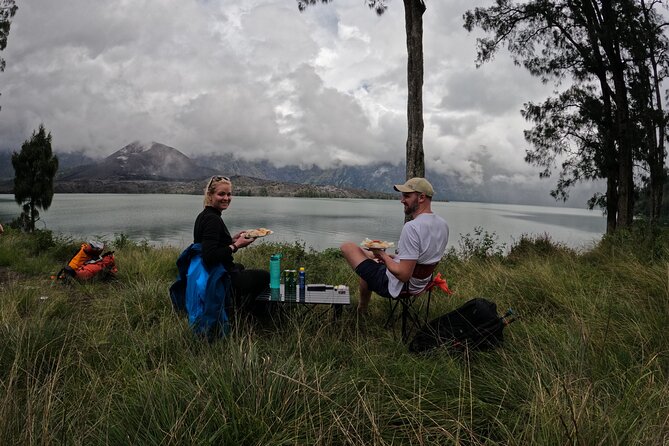
The tour description calls for moderate physical fitness, but I would treat that as the minimum rather than a promise of an easy outing. You need to manage seven hours on day one, around 10 hours on day two, and another five hours on day three.
The steep climb to Sembalun Crater Rim is the first warning. The summit day is harder still, especially because it combines the summit with a descent to the lake and further crater walking. People who completed the route describe it as physically challenging and best suited to hikers who enjoy testing their limits.
You do not need to be an elite climber based on the information provided, but you should be comfortable with long uphill and downhill walks. If your recent exercise has been limited to short city strolls, this is a poor choice. If you regularly hike and are happy camping in basic conditions, the challenge is more reasonable.
Group pacing is another factor. The maximum is 15, and a guide leads the group, but people will naturally move at different speeds. A small group is helpful, yet it does not turn the mountain into a private hike.
What the experience gets right
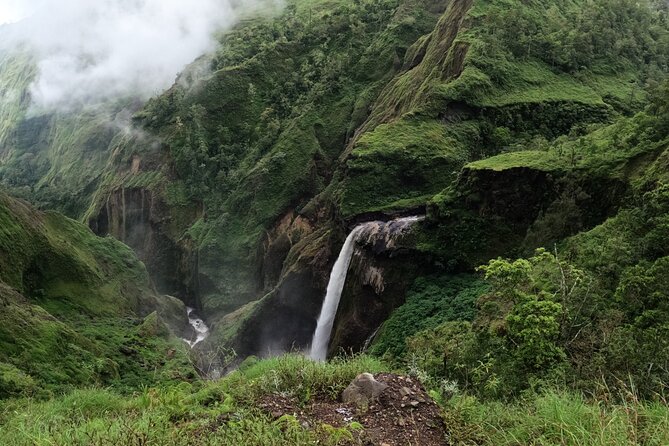
The strongest part of this trip is the combination of support and variety. The guide keeps you on the route, the porters handle the camp equipment, and the itinerary gives you more than a summit photograph.
Food receives repeated praise, especially its quantity and variety. Tents and sleeping bags are described as suitable for the conditions, and the team is credited with organizing the trek from the night-before homestay through the mountain camps. The guides are also valued for helping on difficult passages.
Those strengths matter because Rinjani is not a simple day hike. Good meals, dry sleeping equipment, and a guide who notices when a section is getting hard can make the difference between a demanding success and a miserable retreat.
The weaker side is the intensity of the schedule. You have little spare time, and day two is packed. You also need to pay the entrance fee, arrange insurance, bring personal clothing and shoes, and budget for tips. The experience is well supported, but it is not all-inclusive in the resort sense.
The non-refundable booking rule deserves attention too. Once booked, the experience cannot be changed or refunded for any reason. Only commit when your dates, health, and mountain plans are firm.
Who should book this Rinjani route?
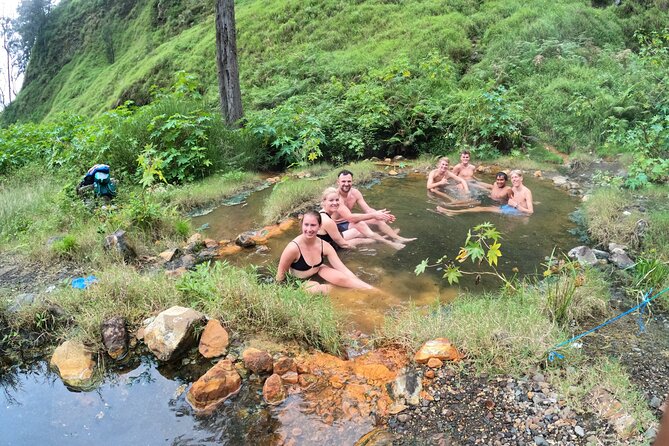
I would choose this trek if you want the summit but also care about the wider Rinjani experience. The lake, hot springs, two camps, and cross-mountain finish make it more rewarding than a quick up-and-down attempt.
It works particularly well for solo hikers who want a group and for couples or friends who prefer to have the logistics handled. The included equipment and porter support are valuable if you are visiting Lombok with limited trekking gear.
I would not choose it if you dislike steep climbs, basic camping, long walking days, or shared group schedules. I would also avoid booking it casually because the cancellation terms are strict and the physical demand is real.
At $220, the package offers good value for a guided summit trek with camping equipment, meals, porters, transport, and lake and hot spring stops. Set aside money for the IDR 600,000 entrance fee, insurance, tips, personal gear, and any extra porter help.
Should you book the 3-day Sembalun summit trek?
Book it if you are moderately fit, want a serious but supported mountain challenge, and like the idea of combining the summit with Segara Anak Lake and hot springs. The porter team, supplied camp gear, varied food, and small-group format take care of much of the practical work.
Skip it if you want a relaxed nature outing or if you are not ready for the 10-hour second day. Rinjani rewards preparation, not wishful thinking. Pack light, bring proper shoes and warm layers, confirm the entrance fee and gear arrangements, and you will be making a clear-eyed choice.
FAQ
How long does the Mount Rinjani trek last?
The trek lasts three days and two nights, with about seven hours of walking on day one, 10 hours on day two, and five hours on day three.
Where does the tour meet and finish?
The meeting point is in Senaru, Bayan, North Lombok Regency. Transport takes you from Senaru to Sembalun for the start, and the activity finishes back at the Senaru meeting point.
Is transport from Senaru to Sembalun included?
Yes. Transport from Senaru to Sembalun for the start of the trek is included.
What camping equipment is supplied?
The tour supplies a tent, toilet tent, sleeping bag, mattress, pillow, chair, and table. Porters carry the cooking gear and camping equipment.
Do I need to carry my own backpack?
You need to bring a small personal day pack, but porters carry the cooking and shared camping equipment. An extra porter is available for $25 per day.
Is the Sembalun entrance fee included?
No. The Sembalun Village entrance fee is listed separately at IDR 600,000 per person.
What fitness level is required?
You should have a moderate level of physical fitness and be comfortable with long, steep mountain walks. The second day lasts about 10 hours and is the hardest part of the trek.
Just added around Lombok
- Waterfall Tour And Sasak Traditional Tour★ 5.0 · 3 reviews
- Full-Day Private Trip to South Lombok★ 5.0 · 15 reviews
- Trekking Rinjani Volcano To Crater Rim Senaru 2D-1N Private – Syam Trekker★ 5.0 · 45 reviews
- MODERATE HIKING: 2D/1N Crater Rim Senaru | Rinjani Samalas Tour★ 5.0 · 8 reviews
- Trekking Rinjani Mountain Summit 2 Days 1 Night – Em Adventure★ 5.0 · 42 reviews
- Panorama Walking Tour and Culture, West Lombok★ 5.0 · 6 reviews
- Fantastic trip to Sindang Gile & Tiu Kelep Waterfall★ 4.5 · 3 reviews
- Trekking Rinjani 1 Day Trek Senaru Crater Rim★ 5.0 · 3 reviews
3-Day Experiences, compared.
3Days – Tumpaksewu Bromo Ijen Adventure via Malang or Surabaya
Read our review →
3-Day Ethical Orangutan Jungle Trek | Bukit Lawang, Sumatra
Read our review →
From Surabaya / Malang : Mt Bromo Sunrise – Ijen Blue Fire 3D2N
Read our review →
All inclusive Private 3 day tours package : Bali highlights
Read our review →
Monkey Business 3 days – 2 nights Jungle trekking (including rafting)
Read our review →
Active Volcanoes Bromo and Ijen – Start Surabaya 3 Days and 2 Nights
Read our review →
More Complete: Discover Bali In 3 Days Private Tour Package
Read our review →Browse the lists this tour appears in