
Reviewed · JAKARTA TOURS
Afternoon Guided Chinatown Tour in Jakarta
Jakarta’s Chinese heritage comes into focus on this private afternoon tour, which moves from Glodok’s old temple to colonial streets, a floating fish-market restaurant, modern PIK, and the glowing National Monument. Glodok’s 1650 temple gives the day a strong start, while the evening stop in PIK shows a newer side of Chinese Indonesian life.
I like the mix of history and food, especially the choice between a classy dinner setting and the more local-feeling Muara Angke fish market. I also like having a private air-conditioned vehicle, since Jakarta traffic can make a long cross-city outing tiring.
The main drawback is the traffic. Five to six hours sounds generous, but time on the road can reduce time at each stop. You should also clarify your preferred dinner setting and pickup details before departure.
In This Review
- Key points at a glance
- From Glodok’s temple to modern PIK
- The old pagoda and Glodok’s first impressions
- Jakarta Old Town and the colonial layer
- Muara Angke: dinner near the fish market
- Two hours under PIK’s lanterns
- MONAS glowing at the end
- What the $53 price really covers
- Guides, traffic, and the pace of the day
- Who should book this Jakarta tour?
- Should you book it?
- FAQ
- How long does the Chinatown tour last?
- What places does the tour visit?
- Is hotel pickup and drop-off included?
- Is this a private tour?
- What is included in the price?
- Is dinner included?
- How much does the tour cost?
- Can I cancel for a full refund?
Key points at a glance
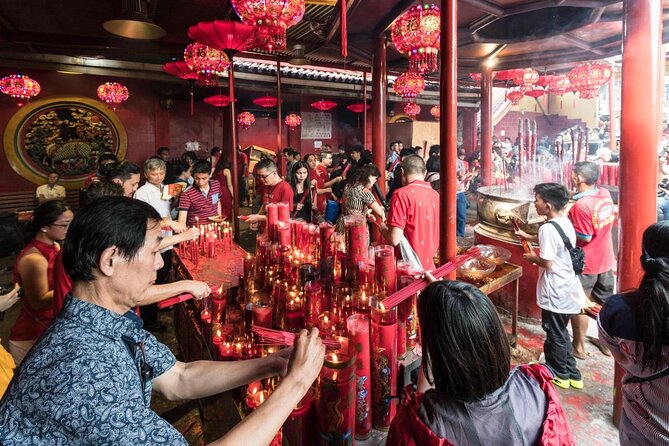
- Glodok’s 1650 temple: Begin among old Chinese Indonesian religious and commercial landmarks in one of Jakarta’s best-known Chinatown districts.
- Colonial Jakarta in one afternoon: See Glodok and Jakarta Old Town together, with Dutch-era buildings and a former city hall area.
- Food with a choice of atmosphere: Choose a more polished dinner or try the Muara Angke fish-market setting for a less formal meal.
- PIK after dark: Spend about two hours around a modern Chinese-dominant business district with lantern light, food, and photo opportunities.
- Private transport matters: A car, driver, bottled water, hotel pickup, and drop-off are included, a useful package in Jakarta’s traffic.
- Finish at MONAS: End with a night photo stop at the 132-meter National Monument before returning to your hotel.
From Glodok’s temple to modern PIK
This tour works because it does not treat Chinatown as a single photo stop. It uses Glodok, Jakarta Old Town, Muara Angke, and PIK to show different chapters of the city.
You begin with hotel pickup, followed by a drive of roughly 30 minutes from your hotel area to Glodok, depending on traffic. The tour is private, so your group does not share the vehicle with other participants. That gives you more room to ask questions and adjust the pace, though the driver and guide have separate jobs.
Glodok is one of Indonesia’s largest Chinatowns and is also known by the local term Pecinan. The area is tied to Chinese Indonesian communities whose presence in the region goes back to sailor-traders and commercial networks. The tour also places Glodok within Jakarta’s older colonial setting, where Dutch rule shaped the city and its districts.
That historical context matters. Glodok is not only a place to see Chinese signs, temples, and food. Its story includes commerce, colonial control, migration, and the long process through which Chinese Indonesians became part of Jakarta’s economic and social life. The supplied background notes that, in the 17th century, Glodok was used as an area of isolation because authorities wanted easier control of its Chinese population. That is a difficult part of the story, and a good guide can help connect it to the area you see today.
A few more Jakarta trips to weigh up
- Private Full-Day Guided Tour: Explore Jakarta’s Top Highlights
★ 5.0 · 338 reviews - Jakarta Half-Day Guided Tour with a Private Fun Local Host
★ 5.0 · 292 reviews - Jakarta Highlight Places with Multilingual Guide
★ 5.0 · 33 reviews
The old pagoda and Glodok’s first impressions
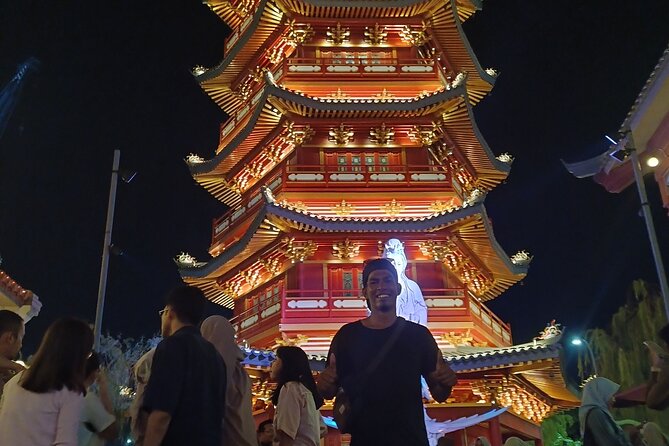
The first stop lasts about 30 minutes and includes a temple with an old pagoda built in 1650. Admission is listed as free.
You should expect a short visit rather than a long temple study. The value is in seeing an active historical site at the start of the tour and learning how Chinese religious life fits into Jakarta’s urban story. The pagoda also gives you an immediate sense of age, especially when set against the traffic and commercial activity outside.
Keep your expectations practical. Thirty minutes is enough for an introduction, photographs, and a guide’s explanation, but not enough for a broad walking tour of every lane in Glodok. If temples and local religious history are your main interest, ask your guide how much time can be spent here before the tour begins.
Glodok is also a useful place to begin thinking about food. Chinese Indonesian cooking is part of the district’s identity, and later stops give you a chance to see how that food culture appears in both a market setting and a modern business district.
Jakarta Old Town and the colonial layer
From Glodok, you continue to Jakarta Old Town for another 30-minute stop. Here, you see old buildings designed in a Chinese-European style, dating from the colonial period.
The area includes a large garden of about 139 square meters, described as a former city hall area. The exact length of the stop means you will probably view the main setting and hear its background rather than enter every building or visit every nearby attraction.
I like this pairing with Glodok because it avoids presenting Jakarta’s past from only one angle. Glodok introduces Chinese Indonesian history, while Old Town shows the colonial structures and civic spaces that shaped the capital. Together, they help explain why this part of Jakarta feels different from the modern districts farther north.
The limitation is again time. Old Town deserves a slower walk if you want detailed architecture, museums, or extended photography. On this tour, it functions as a focused sightseeing stop within a larger evening program.
Muara Angke: dinner near the fish market
The Muara Angke fish market area brings a change of mood. The stop lasts about one hour and includes the option of culinary tourism at Resto Floating Muara Angke, a restaurant set on the sea.
You can choose between eating in a more polished venue or trying the fish-market area. I would choose the market setting if you want the more distinctive part of the meal. One piece of practical advice is to decide how adventurous and informal you want dinner to be before you arrive. The classy option may suit you better if comfort and a quieter setting matter most.
The floating restaurant concept is the point here. It is not simply a standard city restaurant, and the location adds a distinctly coastal side to a tour otherwise focused on temples, city streets, and shopping districts. Still, the supplied information does not specify a set menu, meal price, or which seafood dishes are included. Dinner is not listed among the tour inclusions, so plan to pay for food separately.
Because the stop is scheduled for about an hour, you should not expect a long, leisurely dinner if traffic has delayed the group. The guide can help you make the most of the time, but Jakarta’s roads remain the unpredictable part of the day.
Same island, a completely different day out:
- Jakarta: Volcano, Tea/Rice Fields, Hot Spring, Local Food
★ 4.9 · 515 reviews - Active Volcano, Rice Field, Hot Spring, Fruit market, Tea Plantation with Lunch
★ 5.0 · 513 reviews - Jakarta Bogor Botanical Garden, Waterfall and Rice terrace, Lunch
★ 5.0 · 157 reviews - Jakarta Heritage of Old Batavia Private City Tour (Historical)
★ 5.0 · 143 reviews
Two hours under PIK’s lanterns
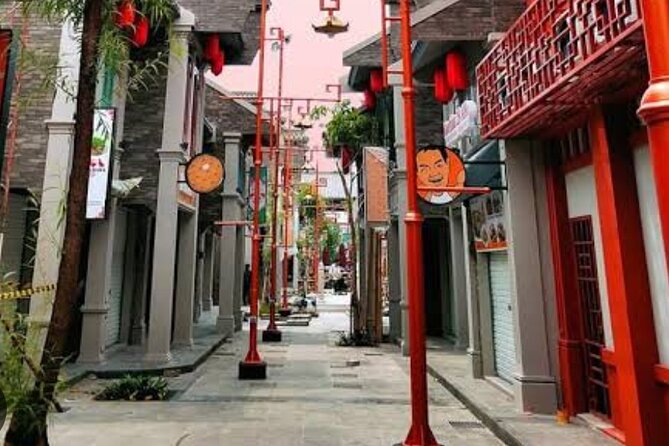
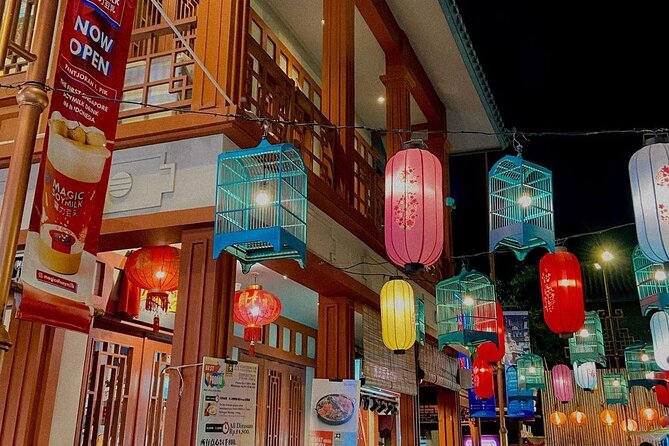
The longest stop is PIK Avenue, scheduled for about two hours. This is presented as the highlight of the tour, with an afternoon-to-evening Chinatown atmosphere, lantern light, food, and photo opportunities.
PIK is described as a Chinese-dominant Jakarta business district. It offers a clear contrast with Glodok. Glodok connects you to older religious and commercial traditions, while PIK shows a newer, more polished side of Chinese Indonesian business and leisure culture.
This is where the tour shifts from historical explanation to evening sightseeing. You might find restaurants, illuminated streets, and modern public spaces suited to photographs. One piece of guest feedback specifically points to taking a picture of the pagoda and seeing changing lights on a bridge at night. Treat that as a useful tip, not a guaranteed feature at every moment, since lighting and access can vary.
Two hours gives you the best chance to slow down. You can eat, take photographs, and look around without the rushed feeling of the earlier 30-minute stops. The exact balance depends on your dinner choice and traffic earlier in the day.
PIK may be less satisfying if your idea of Chinatown is mainly old lanes, traditional markets, and historic architecture. It is a modern district, and that is precisely why it belongs on this tour. The contrast helps you see that Chinese Indonesian identity in Jakarta is not frozen in the past.
MONAS glowing at the end
The final stop is a one-hour visit to the National Monument, known as MONAS, followed by the return to your hotel. The tour describes this as a photo stop, not a visit to the monument’s interior or viewing platform.
MONAS rises 132 meters and is described as shining gold at night. After the darker history of Glodok and the colonial buildings of Old Town, the monument gives the tour a broad national symbol to finish with. It also offers a simple way to see Jakarta’s capital-city identity before heading back.
Keep the wording photo stop in mind. If you want to go inside MONAS, climb, or spend time in its museum areas, this experience does not promise that. The hour may include arrival, photographs, and a short look at the surroundings rather than a full monument visit.
Ending here also makes practical sense. You get one last night view before the private vehicle takes you back to your hotel. Depending on your hotel’s location and traffic, the return journey may extend the overall day beyond the listed five to six hours.
What the $53 price really covers
At $53 per person, the tour’s value depends largely on how much you value private transport and a guide in Jakarta. There are no admission charges listed for the stops, so you are mainly paying for the vehicle, driver, licensed guide, bottled water, pickup, drop-off, and the planning needed to connect several widely separated districts.
For a solo participant, that price may feel high compared with exploring one neighborhood independently. For a couple, family, or small private group, it can make more sense because the cost buys comfort and a structured route through places that are not all close together.
Dinner is not included, and gratuity is optional. The tour also lists group discounts, so check the final price for your group size rather than judging value from the per-person figure alone.
The private format is the main advantage. Jakarta traffic can be slow, and crossing between Glodok, Old Town, Muara Angke, PIK, and MONAS is not a simple short walk. An air-conditioned vehicle gives you a break between stops, while the guide can explain the background as you move through the city.
Guides, traffic, and the pace of the day
Fitri and Enok are names associated with the guiding experience, and feedback specifically praises their kindness, information, and ability to make the day work despite Jakarta traffic. You may not receive one of those guides, so confirm availability if a particular person matters to your booking.
The guide and driver are separate staff members. That is useful because the driver can focus on Jakarta’s roads while the guide handles explanations and sightseeing. Pickup and drop-off are included, but the exact hotel coverage is not specified in the supplied details, so provide your hotel information clearly.
The schedule is best viewed as flexible in practice. The listed stops total about four and a half hours, while the full experience runs five to six hours. The remaining time allows for driving, pickup, drop-off, and the effects of traffic.
I would wear comfortable shoes and bring a phone or camera for the temple, PIK, and MONAS. Bottled water is included. Since the tour moves between outdoor areas, market surroundings, and restaurants, simple clothing that works across several settings is the sensible choice.
Who should book this Jakarta tour?
I would recommend it to you if you have one afternoon and evening in Jakarta and want more than a single Chinatown walk. It suits first-time visitors who need private transport, families who prefer a dedicated vehicle, and anyone curious about the link between Chinese Indonesian history, food, business, and modern city life.
It is also a good fit if you want a guide to make sense of places that can otherwise feel scattered. The route connects a 1650 temple, colonial Old Town, a coastal fish-market setting, modern PIK, and MONAS in one outing.
I would hesitate if your priority is a slow, detailed exploration of Glodok or Jakarta Old Town. The short stops give you a useful introduction, but not the time for every museum, side street, or temple detail. I would also think twice if you dislike long drives in heavy traffic.
The strongest food choice is likely Muara Angke if you want an authentic-feeling market atmosphere. Choose the more polished dinner option if you care more about comfort. Either way, remember that food costs extra.
Free cancellation is available up to 24 hours before the local start time. Changes or cancellations inside that 24-hour window are not accepted and are not refundable.
Should you book it?
Book this tour if you want a private, food-and-history view of Jakarta with a strong evening finish. Its best features are the contrast between Glodok and PIK, the unusual Muara Angke dinner option, and the convenience of having a guide, driver, vehicle, water, and hotel transfers arranged.
Skip it if you want a deep architectural tour or prefer to spend an entire evening in one neighborhood. For most people with limited time, though, the route offers a practical introduction to several sides of Jakarta, as long as you accept that traffic will shape the pace.
FAQ
How long does the Chinatown tour last?
The experience lasts approximately five to six hours, including transportation between the stops and the return to your hotel.
What places does the tour visit?
The route includes Glodok Chinatown, Jakarta Old Town, Pusat Perikanan Muara Angke, PIK Avenue, and the National Monument, or MONAS.
Is hotel pickup and drop-off included?
Yes. Pickup and drop-off service is included, along with private transportation in an air-conditioned vehicle.
Is this a private tour?
Yes. Only your group participates in the activity.
What is included in the price?
The price includes an air-conditioned vehicle, private transportation, bottled water, a licensed guide and driver, and pickup and drop-off service.
Is dinner included?
No. Dinner is not listed as an inclusion. You can choose a classy dining setting or the Muara Angke fish-market area, but food costs are separate.
How much does the tour cost?
The listed price is $53 per person. Group discounts are available.
Can I cancel for a full refund?
Yes, if you cancel at least 24 hours before the experience start time. Cancellations or changes made less than 24 hours before departure are not accepted and are not refundable.
Just added around Jakarta
- The Secret Society of Batavia – Walking Tour★ 5.0 · 4 reviews
- Soekarno Hatta International Airport by Plaza Premium Lounge★ 4.0 · 46 reviews
- Volcano and Domas Crater of Hot Stony Bubble from Jakarta Lunch★ 5.0 · 23 reviews
- Jakarta Indonesian Culture in half Day★ 5.0 · 50 reviews
- Jakarta Scooter Lessons and Motorcycle Lessons★ 5.0 · 9 reviews
- Situ Gunung Waterfall & Suspension Bridge Sukabumi start Jakarta★ 4.5 · 13 reviews
- Private Tour: Half Day Jakarta Old City Tour★ 4.0 · 4 reviews
- Batik Heritage Introduction Class with Lunch & Souvenir★ 5.0 · 8 reviews
Jakarta Tours, compared.
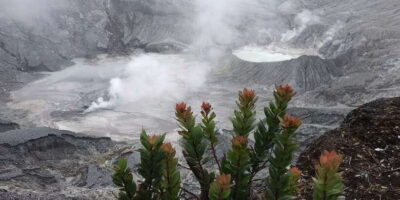
Volcano, Tea/Rice Fields, Hot Spring, Local Food
Read our review →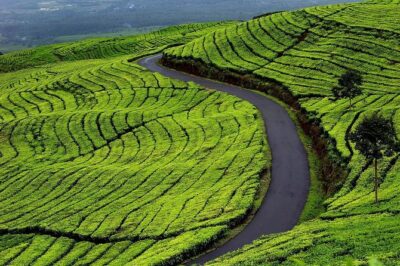
Active Volcano, Rice Field, Hot Spring, Fruit market, Tea Plantation with Lunch
Read our review →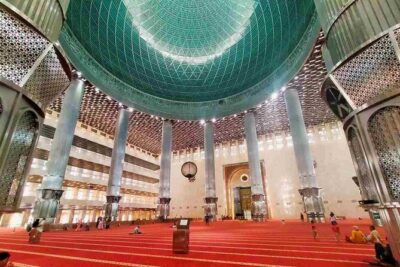
Private Full-Day Guided Tour: Explore Jakarta’s Top Highlights
Read our review →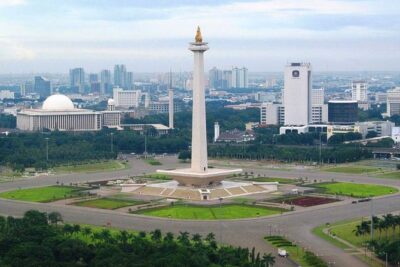
Jakarta Half-Day Guided Tour with a Private Fun Local Host
Read our review →
Jakarta Bogor Botanical Garden, Waterfall and Rice terrace, Lunch
Read our review →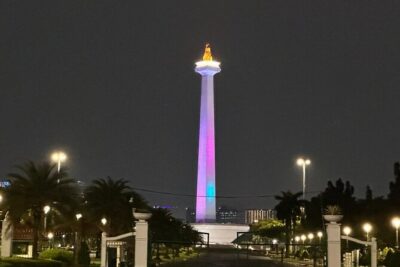
Jakarta Heritage of Old Batavia Private City Tour (Historical)
Read our review →
Jakarta Half-Day Sightseeing Tour To Modern City and Old Town
Read our review →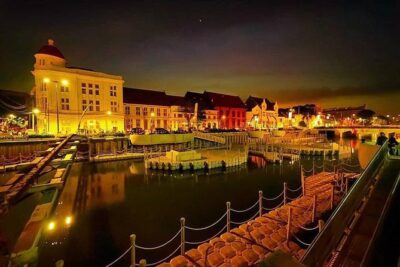
Jakarta Night Tour : Enjoyable Night time in Jakarta (Hotel Pick-up)
Read our review →Browse the lists this tour appears in