
Reviewed · UBUD TOURS
ARMA Museum Visit
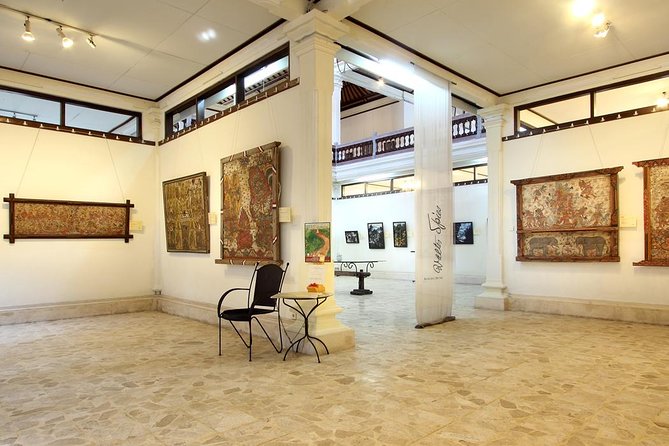
ARMA is not simply a room full of paintings. It is a working arts center where Indonesian art shares space with performances, classes, exhibitions, a library, and cultural events. Your admission lets you explore at your own speed, which is a good fit for an afternoon when you want culture without a fixed group schedule.
I like the freedom to choose your pace and the fact that a coffee or tea is included. The $9.38 price is modest for Ubud, especially if you spend time with the collection and use the museum as part of a wider day in town. The main consideration is time: if you only have 30 minutes, the ticket may feel less worthwhile than it would during a slower one- or two-hour visit.
In This Review
- Key points to know
- Why ARMA Works Better Than a Quick Museum Stop
- Entering the Agung Rai Museum of Art
- Traditional Batik and Contemporary Indonesian Art
- More Than Paintings: Performances, Classes, and Cultural Programs
- How Much Time Should You Allow?
- The Coffee or Tea Break
- Is $9.38 Good Value in Ubud?
- Who Will Enjoy ARMA Most?
- Combining ARMA With Other Ubud Plans
- Practical Booking and Cancellation Notes
- Should You Book the ARMA Museum Visit?
- FAQ
- Where is the ARMA Museum Visit located?
- How much does admission cost?
- How long does the museum visit last?
- Is a drink included?
- Is lunch included?
- Can I explore without joining a group?
- Can I cancel for a full refund?
Key points to know
- ARMA is both museum and arts center: Along with paintings, you may find performances, classes, exhibitions, workshops, and cultural programs.
- Explore without a group timetable: Admission is designed for independent browsing rather than a fixed guided route.
- The collection covers old and new: Expect traditional batik paintings alongside contemporary works.
- A hot drink is included: Coffee or tea gives the visit a small but useful break.
- Plan for 30 minutes to two hours: Your visit can be brief or leisurely, depending on your interest in the collection.
- The museum is close to other Ubud sights: You can fit it into a larger day rather than treating it as a separate excursion.
Why ARMA Works Better Than a Quick Museum Stop
Ubud can fill a day with temples, rice fields, shops, cafés, and performances. ARMA gives you something different: a chance to slow down and look at Indonesian art without committing to a long tour or a full-day cultural program.
The Agung Rai Museum of Art is built around more than its permanent collection. It also functions as a center for visual and performing arts, with space for theater, dance, music, painting classes, cultural workshops, conferences, seminars, and training programs. That wider role matters because you are not entering a silent display box with one narrow purpose. The museum is intended as a place where Indonesian and Balinese culture is shown, discussed, practiced, and performed.
You should still set your expectations correctly. This admission does not promise a private curator, a scheduled art talk, or a full cultural performance. It gives you entry and the freedom to look around independently. A multilingual guide may operate the activity, but a specific guide is not named, so you should not book this expecting a personal guided lesson.
A few more Ubud trips to weigh up
- Jakarta: Miniature Park, National Museum & Traditional House Tour
★ 4.5 · 17 reviews - Tsunami Museum and Affected Areas Tour of Banda Aceh
★ 5.0 · 4 reviews - Nusa Dua: Museum Pasifika Admission Ticket with Audio Guide
★ 4.3 · 4 reviews
Entering the Agung Rai Museum of Art
Your only listed stop is ARMA itself, and that simplicity is part of the appeal. There is no transfer schedule, no series of pickup points, and no need to keep pace with a group. Once you arrive, you can decide how much attention you want to give the art.
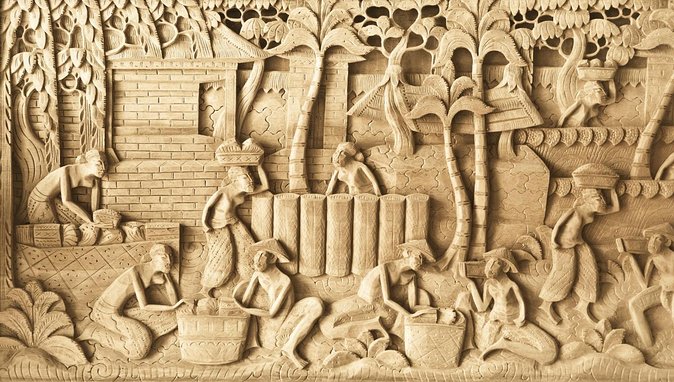
The museum’s permanent collection includes traditional batik paintings and contemporary masterpieces. That range gives the visit a useful arc. You can look at established Indonesian artistic traditions and then compare them with newer approaches, rather than seeing only one period or one style.
The supplied information does not provide a room-by-room route, named artists, or a detailed floor plan. I would treat that as a reason to allow yourself some flexibility. Let the displays guide your attention instead of trying to race through every section. If art is a major reason you came to Ubud, plan closer to two hours. If you are fitting ARMA between other activities, 30 minutes can provide a quick cultural pause.
The museum also presents temporary exhibitions. These can change, so the exact mix of works may not be identical from one visit to the next. That is useful for repeat visits, but it also means you should avoid booking with the expectation of seeing one particular temporary display unless it has been confirmed separately.
Traditional Batik and Contemporary Indonesian Art
The collection’s mix is the main reason to visit. Batik painting connects the museum to a well-known Indonesian art tradition, while contemporary works give the experience a more current edge.
I like this combination because it gives you room to compare rather than simply admire. You can ask yourself how artistic ideas shift from traditional pattern and technique to newer forms of expression. Even if you are not an art specialist, that contrast can make a short museum visit more engaging.
Do not expect the ticket description to function as an art-history course. It tells you what kinds of art are present, but it does not promise detailed interpretation for every work. If you want extended context, you may need to spend more time reading the information available inside the museum or take advantage of a guide if one is operating during your visit.
For casual museumgoers, this is a strength rather than a weakness. You can look closely at works that catch your eye and move on from displays that do not hold your interest. For serious art lovers, the lack of a named specialist guide may be the biggest limitation.
More Than Paintings: Performances, Classes, and Cultural Programs
ARMA’s larger program is important to understand before you book. The center may host theater performances, dance, music, painting classes, workshops, conferences, seminars, and training programs. It also has a bookshop, library, and reading room.
These facilities make ARMA feel more like a cultural institution than a standard gallery visit. The museum’s stated aim is to present the uniqueness and diversity of Balinese and Indonesian culture to people from different cultural backgrounds. That mission gives the collection a broader setting, even when you are visiting only for general admission.
However, your admission does not automatically include every activity held on the grounds. The information specifically confirms museum admission and a complimentary hot drink. It does not say that performances, painting classes, workshops, or seminars are part of this ticket, so check locally if one of those events is the main reason you want to go.
The bookshop, library, and reading room may appeal to you if you want to continue learning after viewing the art. Again, the details provided do not confirm separate access rules or opening times for each facility. Think of them as part of ARMA’s cultural offering, not guaranteed features of a short visit.
Same island, a completely different day out:
- All-Inclusive Ubud Private Tour
★ 5.0 · 14,344 reviews - Best of Ubud Full-Day Tour with Jungle Swing
★ 5.0 · 8,571 reviews - Ubud: Monkey Forest, Jungle Swing, Rice Terrace, and Water Temple
★ 5.0 · 7,160 reviews - Best of Ubud 1-Day Private Tour
★ 5.0 · 4,451 reviews
How Much Time Should You Allow?
The estimated visit lasts from 30 minutes to two hours. That is a wide range, but it makes sense for a self-paced museum.
A 30-minute visit works if you are already nearby and want a focused look at the collection. You can see selected works, take your included drink, and continue to another Ubud activity. This is also a practical choice if your group includes people with different levels of interest in art.
Give yourself one to two hours if you want the museum to feel like a proper part of your day. The extra time lets you look carefully, revisit works, and consider the contrast between traditional batik and contemporary pieces. You may also want time for the bookshop, library, reading room, or any cultural activity available during your visit.
I would not schedule ARMA as a rushed stop between tightly timed bookings. The ticket is flexible, but your experience will be better if you leave some breathing room. The museum’s value comes from looking, not from checking it off as fast as possible.
The Coffee or Tea Break
A free coffee or tea is included, and that small detail improves the value of the ticket. It gives you a natural pause after viewing the collection and may make the museum easier to combine with a wider Ubud outing.
The drink is not a full meal. Lunch, food, additional drinks, and alcoholic drinks are not included. Alcoholic drinks can be purchased, according to the supplied information, but you should budget separately for anything beyond the complimentary coffee or tea.
One published comment praised both the museum and its restaurant, describing the experience as first class and noting that the location is close to other worthwhile things to do. That combination is practical. You can visit ARMA, take a break, and continue exploring nearby rather than spending the whole day traveling to and from one attraction.
The restaurant’s exact menu, prices, and opening hours are not provided, so I would not make a meal reservation based on this ticket alone. Treat the included drink as a pleasant extra, not as lunch.
Is $9.38 Good Value in Ubud?
At $9.38 per person, this is a reasonable admission price if you care about Indonesian art or want a quiet cultural stop. The value is strongest when you stay for at least an hour and take time to see more than the first few displays.
For a short 30-minute visit, the price is still manageable, but your decision depends on your priorities. If you are already close to ARMA, the low cost and included drink make it an easy choice. If reaching the museum would require a long or expensive transfer, the ticket alone does not cover that added cost.
The independent format also saves you from paying for a longer guided package when you only want museum entry. You are buying access, not transportation, a meal, or a full-day tour. That keeps the price simple, but it also means you need to arrange your own route to the museum and plan any extra activities separately.
The advance-booking pattern suggests that people often arrange this admission well before the visit, with an average booking lead time of 24 days. You do not necessarily need to plan that far ahead, but it is sensible to secure your place before a busy Ubud day if seeing ARMA is important to you.
Who Will Enjoy ARMA Most?
I would recommend this experience to art lovers, independent sightseers, couples, and families who want a flexible cultural stop. It also suits anyone who prefers to explore without waiting for a group to finish at each display.
You are likely to get the most from it if you enjoy comparing traditional and contemporary Indonesian art. The museum’s wider role may also appeal to you if performances, classes, workshops, and local cultural programs interest you.
Families and mixed-interest groups may appreciate the flexible timing. One person can spend longer with the collection while another takes a shorter route. The additional information says most people can participate, though no detailed accessibility information is provided.
This is less suitable if you want a tightly organized tour with transport, a guaranteed named guide, a detailed lecture, lunch, or a confirmed performance. The ticket is intentionally simple. Its strength is choice, not a packed schedule.
Combining ARMA With Other Ubud Plans
The museum’s location near other things to do makes it useful as part of a larger day. The exact nearby attractions are not specified, so I would avoid building a rigid route around particular sites without checking a current map.
Instead, use ARMA as one anchor in your Ubud plans. You can visit for 30 minutes before another activity, or allow up to two hours if you want the museum to be the main cultural stop. The included drink gives you a reason to pause rather than immediately rushing back onto the road.
Because there is no listed lunch or transport, think through the rest of your day in advance. If you want a meal, plan and pay for it separately. If you want a performance or class, confirm that it is running and whether it requires another ticket.
Practical Booking and Cancellation Notes
Confirmation is provided when you book. The activity may be operated by a multilingual guide, although the experience is designed so you can explore at your own pace without joining a group.
The maximum group size is listed as 100 people. That does not mean you will be placed in a group of 100, but it tells you this is a general admission experience rather than a private museum appointment.
You can cancel for a full refund up to 24 hours before the local start time. Changes made less than 24 hours before the start are not accepted, and cancellations inside that window are not refunded. Keep the local time in mind if your plans are changing while you are in Bali.
Should You Book the ARMA Museum Visit?
Book it if you want an affordable, flexible look at Indonesian art and you can spare at least an hour in Ubud. The mix of traditional batik, contemporary work, temporary exhibitions, and wider cultural programming gives the museum more substance than a quick gallery stop.
The strongest reasons to go are the independent format, the modest $9.38 price, the included coffee or tea, and the convenient fit with other Ubud plans. A 4.5 rating from 46 submitted ratings and a 93 percent recommendation rate also suggest that the experience generally meets its promise.
Skip it if you want a detailed guided art lesson, a guaranteed cultural performance, or a ticket that includes lunch and drinks. For everyone else, ARMA is a sensible choice when you want to trade a little sightseeing rush for time with Indonesian art.
FAQ
Where is the ARMA Museum Visit located?
The experience takes place at the Agung Rai Museum of Art, known as ARMA, in Ubud, Indonesia.
How much does admission cost?
The listed price is $9.38 per person.
How long does the museum visit last?
The approximate duration is 30 minutes to two hours. You can explore at your own pace within that range.
Is a drink included?
Yes. Coffee and tea are included with admission.
Is lunch included?
No. Lunch, food, additional drinks, and alcoholic drinks are not included. Alcoholic drinks are available to purchase.
Can I explore without joining a group?
Yes. The experience allows you to explore the museum independently without waiting for a group.
Can I cancel for a full refund?
Yes. You can cancel at least 24 hours before the experience start time for a full refund. Cancellations or changes made less than 24 hours before the start time are not accepted for a refund.
Just added around Ubud
- Bali Airport Pick-up to Ubud (Arrival Transfer)★ 5.0 · 4 reviews
- Bali Airport: One-Way Private Transfer To/From Hotel★ 5.0 · 25 reviews
- Munduk Car Hire with English Speaking Driver★ 5.0 · 14 reviews
- Bali Airport – Arrival Transfer★ 5.0 · 5 reviews
- Bali ATV Quad Bike and White Water Rafting – All Inclusive★ 5.0 · 7 reviews
- Bali ATV Ride Ubud Jungle Track★ 4.5 · 5 reviews
- Bali ATV Ride with Jungle Swing and Rice Terrace Tour★ 5.0 · 50 reviews
- Combo Bali ATV Ride with Ayung River Rafting All Inclusive★ 4.5 · 12 reviews
Ubud Tours, compared.



Monkey Forest, Jungle Swing, Rice Terrace, and Water Temple
Read our review →


Uluwatu Sunset, Kecak Dance, and Dinner Jimbaran Beach
Read our review →
Tanah Lot and North Bali Tour: Scenic Journey
Read our review →
Body Massage Experience in Ubud Traditional Spa
Read our review →Browse the lists this tour appears in