Reviewed · TOURS
Tsunami Museum and Affected Areas Tour of Banda Aceh
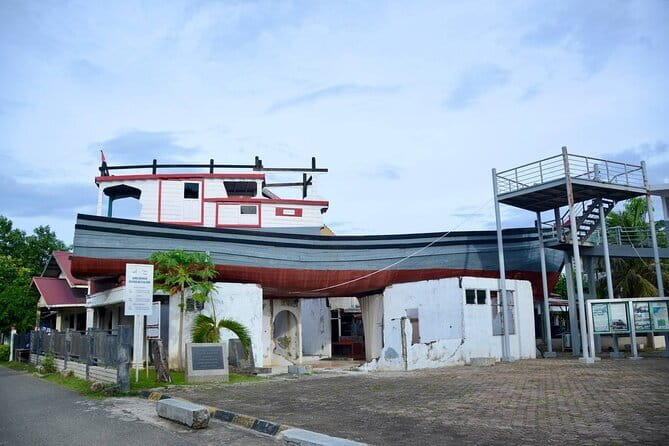
The most striking sight is the 2,600-ton PLTD Apung 1, a diesel power plant ship swept inland by the 2004 tsunami. Seeing such a huge vessel stranded in a residential area gives the disaster a physical scale that photographs alone cannot match. The nearby fishing boat lodged on top of a house tells the same story in a smaller, almost surreal way.
I like that this private tour joins museum exhibits with real affected areas, so you learn the story and then see its evidence in the city. I also like the practical setup: hotel pickup, private air-conditioned transport, lunch, snacks, tickets, fuel, and parking are included. The main consideration is the long nine-hour schedule, which includes emotionally difficult places and a full day of sightseeing.
In This Review
- Key points to know before booking
- Why Banda Aceh’s tsunami story is best understood on the ground
- Starting with hotel pickup and a clear briefing
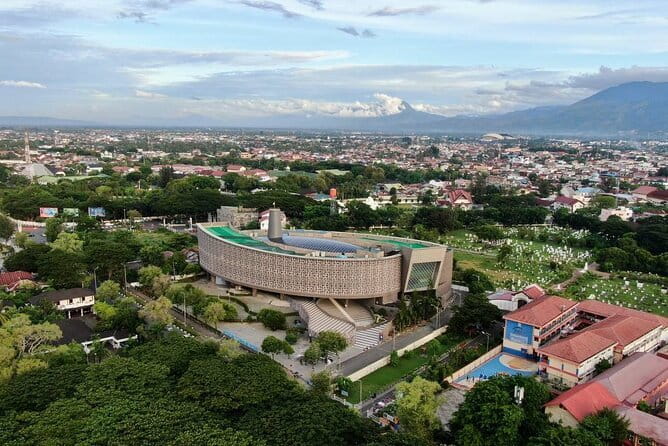
- The Tsunami Museum: an hour of facts, faces, and memory
- PLTD Apung 1 and the scale of the wave
- The fishing boat at Desa Lampulo
- The mass grave and the human cost
- Lunch, snacks, and the value of an all-day private tour
- Affected areas and rebuilt communities in the afternoon
- Survivors’ stories and firsthand accounts
- Memorials and the final hour of reflection
- Comfort, group size, and who will enjoy this tour
- Booking value and cancellation terms
- Should you book the Banda Aceh Tsunami Tour?
- FAQ
- How long does the Banda Aceh Tsunami Museum and Affected Areas Tour last?
- What is included in the tour price?
- Is hotel pickup available?
- Is this a private tour?
- Which tsunami-related sites are visited?
- Are admission tickets included?
- Can I cancel for a full refund?
Key points to know before booking
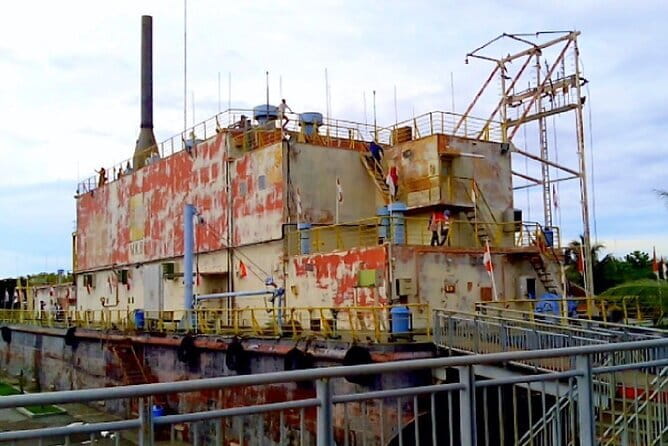
- The PLTD Apung 1 ship is the tour’s most unforgettable sight: A 2,600-ton power plant was carried into a residential area by the tsunami.
- The Tsunami Museum gives the day its context: Expect personal artifacts, photographs, videos, tsunami science, a simulation, and recovery exhibits.
- The tour is private: Only your group takes part, with private transportation and hotel pickup in Banda Aceh.
- The day includes both memorials and modern recovery: You visit a mass grave, affected districts, rebuilt communities, and places connected with survivors’ stories.
- Lunch, snacks, admission tickets, parking, and fuel are included: The only listed extra cost is tipping.
- Plan for an emotional but structured day: The schedule runs from morning pickup until about 7:00 PM.
Why Banda Aceh’s tsunami story is best understood on the ground
The 2004 Indian Ocean tsunami changed Banda Aceh in a matter of minutes. This tour helps you understand that event through several kinds of evidence: museum displays, memorial spaces, survivors’ accounts, and objects moved far from their original locations.
That mix matters. A museum can explain dates, causes, and recovery work. A ship sitting among homes shows the force of the water. A mass grave brings the human cost into focus. Rebuilt neighborhoods show that the day is not only about destruction.
I would approach this as a remembrance tour, not a light sightseeing outing. The subject is painful, and the schedule asks you to move between grief, education, and recovery. The tone is respectful, with time set aside to pay respects and reflect.
The private format should help. You do not have to keep pace with a large group, and you can ask questions as the day unfolds. The supplied information does not name the guide, so you should not book this expecting a particular person. It does indicate that the guide explains the sites clearly and handles the subject with care.
A few more Indonesia trips to weigh up
- ARMA Museum Visit
★ 4.5 · 46 reviews - Jakarta: Miniature Park, National Museum & Traditional House Tour
★ 4.5 · 17 reviews - Nusa Dua: Museum Pasifika Admission Ticket with Audio Guide
★ 4.3 · 4 reviews
Starting with hotel pickup and a clear briefing
Pickup takes place in Banda Aceh between 8:00 and 9:00 AM. The broad pickup window gives the operator time to collect your group, but it also means you should confirm the exact pickup time when booking.
A welcome briefing comes first. This is useful because the day covers several locations and shifts between museum learning, memorial visits, lunch, and outdoor sightseeing. You will want to know the order of the stops and the expected return time before setting out.
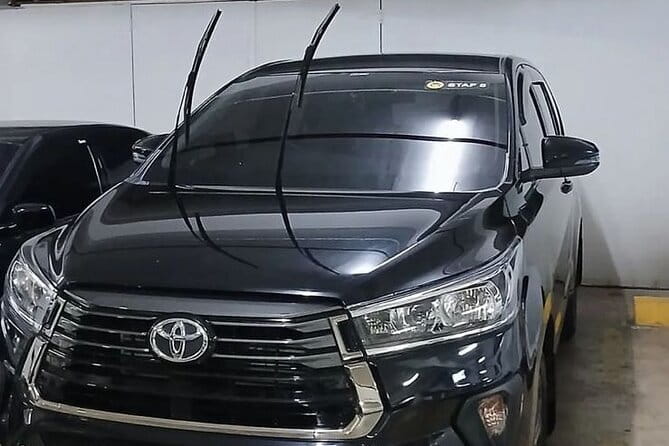
The tour uses an air-conditioned vehicle and private transportation. In Aceh’s warm climate, that is more than a minor comfort. You have a cool place to regroup between stops, and your party does not share the vehicle with strangers.
The tour begins and ends in Banda Aceh City. Pickup is offered, and the meeting point is listed as Banda Aceh, Banda Aceh City, Aceh, Indonesia. The activity is also near public transportation, though the supplied details focus on the included private pickup rather than asking you to make your own way around.
The Tsunami Museum: an hour of facts, faces, and memory
The Aceh Tsunami Museum is scheduled for 9:30 to 10:30 AM, with admission included. Give this stop your full attention. It provides the information needed to understand the objects and places you will see later.
The displays include personal artifacts and individual stories, photographs, videos, tsunami science, and a simulation. You will also find memorials, tributes, objects recovered from the disaster, and exhibits about reconstruction and recovery.
That range is important. The museum is not limited to a timeline of the tsunami. It connects the event to science, personal loss, public remembrance, and the work of rebuilding. If you want a straightforward explanation of what happened, this is the strongest teaching stop on the tour.
The simulation may be difficult for some people, especially when paired with personal stories and images. You should expect a serious museum visit rather than a quick photo stop. The one-hour allocation is enough for an introduction, but it may feel brief if you read every display closely.
One of the strongest qualities of the museum is its balance. It remembers the dead, but it also presents survival, unity, and hope. That balance keeps the visit from becoming only a catalogue of tragedy.
PLTD Apung 1 and the scale of the wave
The next major sight is PLTD Apung 1, scheduled for about 45 minutes and included in the ticket price. This is a 2,600-ton diesel power plant ship that the tsunami pushed into a residential area.
The fact is simple, but the sight is hard to absorb. A vessel built for industrial work ended up far from the water, among homes. It gives you a direct sense of how high and forceful the waves were without requiring a technical explanation.
Audio and visual information are available at the site, adding context to the object in front of you. I like this stop because it turns an abstract disaster into something you can measure with your eyes. The ship is enormous, and its location tells its own story.
You have about 45 minutes here. That should allow time to see the ship, take in the displays, and listen to the information without turning the stop into a rushed visit. Keep your expectations focused: the value comes from seeing the ship and understanding what its position means, not from a long list of separate attractions.
Same island, a completely different day out:
- All-Inclusive Ubud Private Tour
★ 5.0 · 14,344 reviews - Best of Ubud Full-Day Tour with Jungle Swing
★ 5.0 · 8,571 reviews - Ubud: Monkey Forest, Jungle Swing, Rice Terrace, and Water Temple
★ 5.0 · 7,160 reviews - ️Nusa Penida by Private Boat – Snorkeling 4 spots, Swim with Mantas + Land Tour
★ 5.0 · 6,424 reviews
The fishing boat at Desa Lampulo
At Desa Lampulo, you see a fishing boat swept inland and left lodged on top of a house. The visit lasts about 30 minutes, with admission included.
This is a smaller object than PLTD Apung 1, but its position may feel even more strange. A fishing boat belongs on the sea. Seeing one resting on a home shows how the tsunami carried ordinary objects into places where they did not belong.
The two ship-related stops work well together. PLTD Apung 1 shows massive industrial force. The boat at Desa Lampulo connects that force to a home and to everyday life. You see both the scale of the disaster and its effect on ordinary neighborhoods.
The stop is brief, so listen closely to the guide’s explanation. The provided material does not give the name of a local resident or a specific house owner, so you should not expect a named personal story at this point. The tour does, however, include a later segment devoted to survivors’ firsthand accounts.
The mass grave and the human cost
The itinerary places a visit to the mass graveyard at about 11:00 AM, for roughly one hour. This is the quietest and most solemn part of the morning.
You are there to pay respects to the people who died. Treat the site as a memorial rather than a conventional attraction. Dress and behave with care, and allow the place to set the pace of the visit.
The mass grave gives a human scale to the material you have just seen. The museum explains the event, and the ships show its force. Here, the focus is on lives lost. That change in emphasis can make the day feel heavy, but it is also what makes the tour more than a sightseeing route.
The supplied schedule places lunch after this visit, around 12:30 to 1:30 PM. That break is well timed. You have space to process the morning and eat before the afternoon visits begin.
Lunch, snacks, and the value of an all-day private tour
Lunch at a local restaurant is included, as are snacks. The information does not specify the restaurant, menu, or dietary arrangements, so contact the provider before booking if you need a particular meal.
Including food makes the $119.26 per-person price easier to assess. You are paying for about nine hours, private transportation, an air-conditioned vehicle, pickup, fuel, parking, entrance tickets, snacks, and lunch. The price is not simply an admission fee for a museum. It covers a full day of coordinated transport and guiding.
For a solo visitor, the cost may feel high compared with visiting one museum independently. For a private group, the value improves because the vehicle, guide, and logistics serve only your party. You also avoid arranging separate rides between the museum, memorials, ship, boat, and affected districts.
The tour is booked, on average, about 40 days in advance. That does not guarantee that every date sells out, but it is a useful planning signal. If your time in Aceh is fixed, reserve early rather than leaving this for the last day.
Affected areas and rebuilt communities in the afternoon
From about 2:00 to 3:30 PM, you visit affected areas and rebuilt communities. This is where the tour moves from the original disaster toward the long work of recovery.
The supplied information does not list every neighborhood or reconstruction project, so you should expect a guided overview rather than a fixed catalogue of named sites. The value is in seeing how communities changed and how life continued after the tsunami.
This part of the route helps prevent a narrow view of Banda Aceh as a city defined only by loss. Rebuilding is part of the story. You see places connected with damage, but also places where homes and communities were restored.
The afternoon timing may help. After the emotional morning, you can look at recovery with a more practical focus. Ask the guide how the rebuilt areas differ from what was there before, and how the city remembers the event while continuing daily life.
Survivors’ stories and firsthand accounts
The schedule sets aside 4:00 to 5:00 PM for survivors’ stories and firsthand accounts. The information does not identify the speakers or promise a particular survivor, so treat this as a guided storytelling segment rather than a guaranteed meeting with a named person.
This hour can be one of the most meaningful parts of the day. Statistics explain the size of the tsunami, but firsthand accounts explain what it meant to be caught in it, lose people, and rebuild afterward.
You should listen respectfully and avoid treating personal accounts as entertainment. The subject may bring up strong feelings, especially after the museum and mass grave. That is not a flaw in the tour, but it is a reason to consider your own readiness before booking.
The private format may make questions easier. You can ask for clarification without worrying about interrupting a large group, though the guide will set the tone and boundaries for the conversation.
Memorials and the final hour of reflection
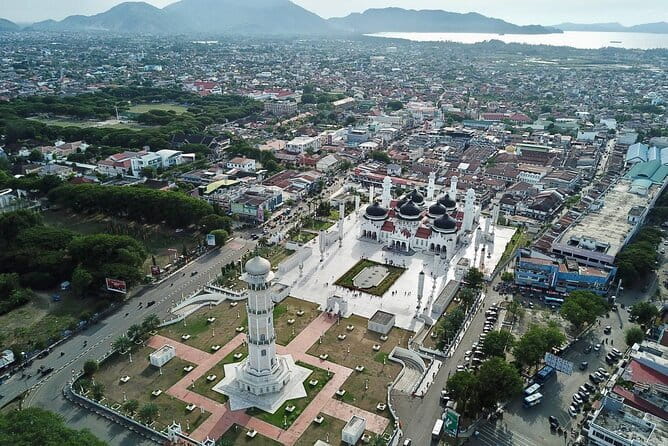
From 5:30 to 6:30 PM, the tour visits memorials and other poignant landmarks. The day ends with a return to your hotel at about 7:00 PM.
This final hour gives the experience a deliberate ending. You have already seen artifacts, ships, damaged areas, rebuilt communities, and heard personal accounts. The memorials bring those parts together in a place for quiet thought.
The schedule is long, but the order makes sense. It begins with explanation, moves to physical evidence, pauses for remembrance and lunch, then looks at recovery and personal stories before ending at memorials.
Do not plan an important evening appointment too close to 7:00 PM. Pickup can take place over a one-hour window in the morning, and the route includes several stops. The stated return time is about 7:00 PM, not a guaranteed minute-by-minute arrival.
Comfort, group size, and who will enjoy this tour
This is a private activity, so only your group participates. That is a major advantage if you want flexibility, privacy, or time to ask questions. It also makes the tour a better fit for families or small groups who prefer to share a serious experience together.
Most people can participate, according to the supplied information. No special physical requirements are listed. Still, the day involves getting in and out of a vehicle, visiting memorials and outdoor sites, and spending many hours away from your hotel.
The air-conditioned vehicle is useful between stops, but it does not shorten the day. Nine hours is a substantial commitment. If you prefer a quick museum visit, this tour may feel too long. If you want a broad understanding of Banda Aceh’s tsunami story, the full schedule gives you much more than a single attraction.
The tour suits you best if you value context and remembrance over entertainment. It is also a good choice if you have limited time in Banda Aceh and want transport between several significant places without organizing each visit yourself.
Booking value and cancellation terms
The cost is $119.26 per person. With private transportation, hotel pickup, lunch, snacks, tickets, fuel, and parking included, the package is reasonably strong for a full nine-hour day, especially for a small private group.
Tips are not included. No other extra charges are listed, but it is wise to confirm the pickup details and meal needs before the date.
Free cancellation is available if you cancel at least 24 hours before the experience begins. Cancellations or changes made inside that 24-hour window are not accepted for a refund, and cut-off times follow local time in Aceh.
Should you book the Banda Aceh Tsunami Tour?
Book it if you want to understand the 2004 tsunami through museums, real objects, memorials, survivor accounts, and rebuilt communities. The PLTD Apung 1 and the fishing boat at Desa Lampulo make the story visible, while the museum and mass grave provide the needed human and historical context.
I would also book it if you value a private vehicle and a fixed plan. Lunch, snacks, entrance tickets, parking, and fuel remove much of the day’s small planning work.
Skip it if you want a casual half-day outing, dislike emotionally serious subjects, or have only a few free hours. This is a long and sobering day, but it is also one of the clearest ways to understand Banda Aceh’s past and present in a single visit.
FAQ
How long does the Banda Aceh Tsunami Museum and Affected Areas Tour last?
The tour lasts approximately nine hours. Pickup begins between 8:00 and 9:00 AM, and the planned return to the hotel is at about 7:00 PM.
What is included in the tour price?
The price includes snacks, lunch, an air-conditioned vehicle, private transportation, fuel surcharge, parking fees, and admission tickets.
Is hotel pickup available?
Yes. Pickup is offered, and the listed starting location is Banda Aceh, Banda Aceh City, Aceh, Indonesia.
Is this a private tour?
Yes. Only your group participates in this private tour or activity.
Which tsunami-related sites are visited?
The route includes the Aceh Tsunami Museum, PLTD Apung 1, the fishing boat at Desa Lampulo, a mass graveyard, affected areas, rebuilt communities, survivor stories, and memorials.
Are admission tickets included?
Yes. Admission tickets for the included attractions are provided.
Can I cancel for a full refund?
Yes, if you cancel at least 24 hours before the experience start time. Cancellations or changes made less than 24 hours before the start are not accepted for a refund.
Just added around Indonesia
- Bali Airport Pick-up to Ubud (Arrival Transfer)★ 5.0 · 4 reviews
- Bali Airport: One-Way Private Transfer To/From Hotel★ 5.0 · 25 reviews
- Munduk Car Hire with English Speaking Driver★ 5.0 · 14 reviews
- Bali Airport – Arrival Transfer★ 5.0 · 5 reviews
- Bali ATV Quad Bike and White Water Rafting – All Inclusive★ 5.0 · 7 reviews
- Bali ATV Ride Ubud Jungle Track★ 4.5 · 5 reviews
- Bali All Inclusive : Tlaga Singha Infinity Pool & Atv Adventure★ 5.0 · 21 reviews
- Bali ATV Ride with Jungle Swing and Rice Terrace Tour★ 5.0 · 50 reviews
Tours, compared.


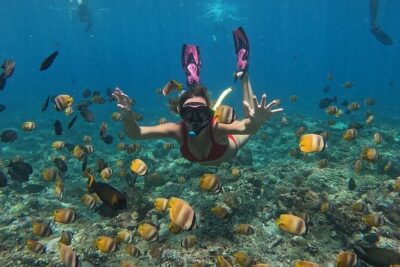
️Nusa Penida by Private Boat – Snorkeling 4 spots, Swim with Mantas + Land Tour
Read our review →
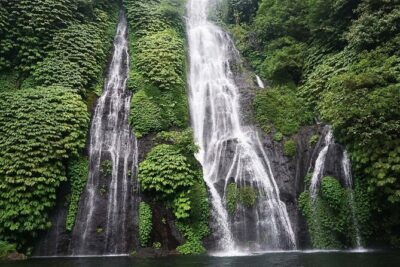
Tanah Lot and North Bali Tour: Scenic Journey
Read our review →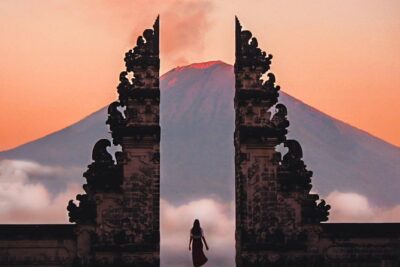
️ Bali Instagram Tour: The Most Famous Spots (Private & All-Inclusive)
Read our review →
Full-Day Tour to Water Temples and UNESCO Rice Terraces in Bali
Read our review →