Reviewed · TICKETS
Nusa Dua: Museum Pasifika Admission Ticket with Audio Guide
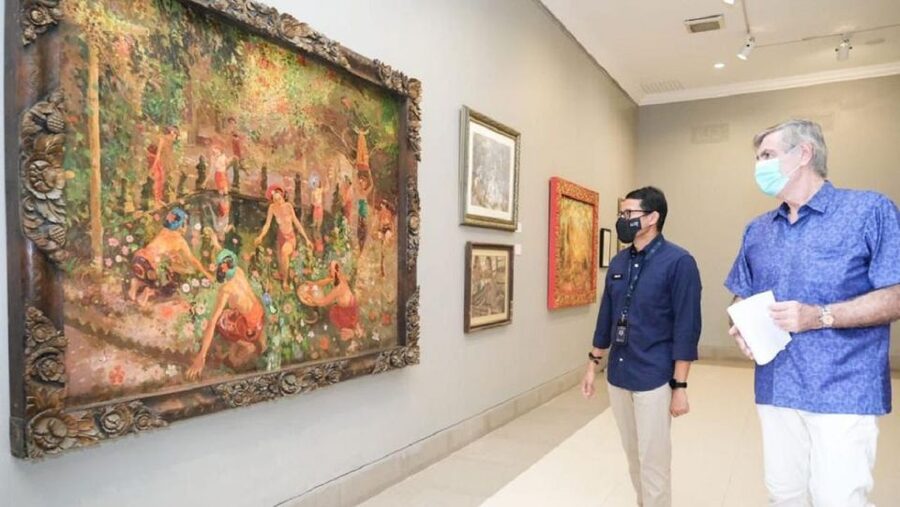
The most rewarding part of Museum Pasifika is its wide view of art across Indonesia, Asia, and the Pacific. You move from Indonesian masters such as Raden Saleh, Lempad, Affandi, Hendra, and Kobot to European artists shaped by time in Bali and Southeast Asia, then into a large collection of Pacific sculpture.
I like the quiet, unhurried atmosphere and the chance to see more than 600 works for about $7 per person. I also like the audio guide, which gives the collection some context instead of leaving you to guess your way through unfamiliar names and styles. The main drawback is the building’s condition: some works are not well protected from Bali’s humidity, and one recent visit found no air-conditioning with doors left open.
In This Review
- Key points to know before you go
- Entering Museum Pasifika in Nusa Dua
- Beginning with Indonesian masters
- European artists shaped by Bali and Asia
- The Michoutouchkine and Pilioko Pacific collection
- The Legendary Western Artists Exhibition
- How to use the audio guide well
- How long to allow and what is included
- Practical details for your visit
- Who will enjoy Museum Pasifika most
- My verdict on the $7 ticket
- Should you book Museum Pasifika?
- FAQ
- Where is Museum Pasifika located?
- How much does admission cost?
- How long is the ticket valid?
- Is an audio guide included?
- Are children allowed to enter for free?
- Is the museum wheelchair accessible?
- What does the ticket include besides admission?
- Are hotel transfers included?
Key points to know before you go
- More than 600 works: See paintings and sculptures by about 200 artists from Indonesia, Asia, Europe, and the Pacific.
- Indonesian art takes center stage: Look for works by Raden Saleh, Lempad, Affandi, Hendra, Kobot, and more than 50 Indonesian artists.
- A major Oceania collection: The Michoutouchkine and Pilioko Collection includes around 200 sculptures from 10 Pacific nations.
- A useful audio guide: English and Indonesian audio guides add background to the displays, though the guide is optional.
- Good value for a short cultural stop: The $7 ticket includes admission, a refreshment, and tea, coffee, or infused water.
- Easy practical setup: The museum has parking, free Wi-Fi, a café, and wheelchair-accessible galleries.
Entering Museum Pasifika in Nusa Dua
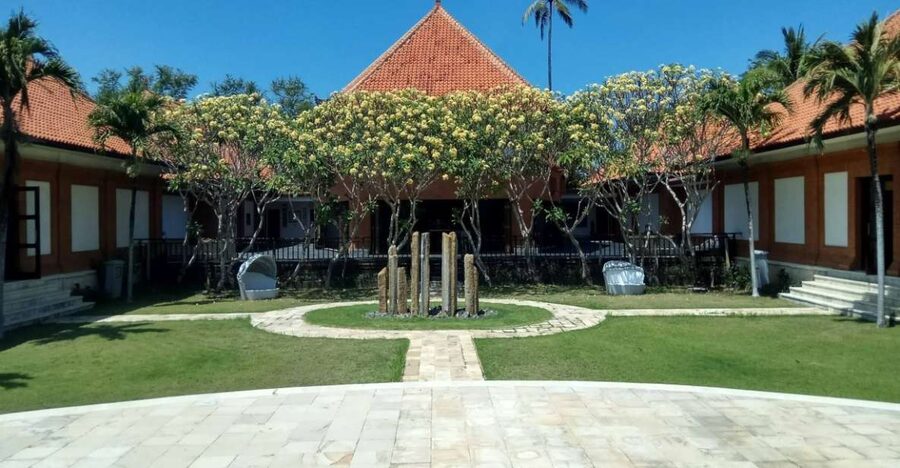
Museum Pasifika sits in Nusa Dua, Bali’s planned resort area. You show your ticket at the reception desk, then explore at your own pace. This is not a timed group tour or a performance with a fixed route. You get a full day of validity for the visit date, so you can take your time and avoid the rushed feeling that often comes with a packed sightseeing schedule.
I find that useful if you are already spending time in Nusa Dua. The museum can fill a hot part of the day without asking you to commit to a long excursion or hotel transfer. You arrange your own transport, since hotel pickup and drop-off are not included.
The setting is calm and suited to slow looking. A recent visit found the galleries pleasantly quiet, which is one of the experience’s strongest qualities. You can pause in front of a painting, listen to the audio guide, and move on when you are ready rather than keeping pace with a group.
A few more Indonesia trips to weigh up
- ARMA Museum Visit
★ 4.5 · 46 reviews - Jakarta: Miniature Park, National Museum & Traditional House Tour
★ 4.5 · 17 reviews - Tsunami Museum and Affected Areas Tour of Banda Aceh
★ 5.0 · 4 reviews
Beginning with Indonesian masters
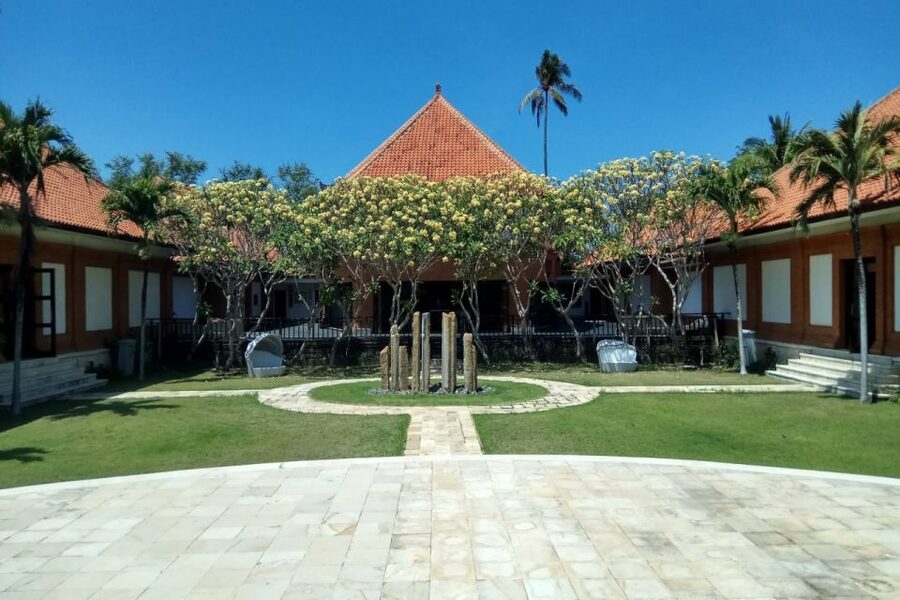
Start with the Indonesian collection. More than 50 Indonesian artists are represented, giving you a useful introduction to the country’s many artistic traditions rather than a narrow display devoted to one school or period.
The names to watch for include Raden Saleh, Lempad, Affandi, Hendra, and Kobot. Their work helps anchor the museum in Indonesia itself before the collection moves outward to artists from Europe and other parts of the Asia Pacific region.
I especially like this order because it gives you a way to read the rest of the museum. After seeing Indonesian artists, you can better notice how foreign painters responded to Bali, its people, and its surroundings. You may also find that the Indonesian section feels less familiar than the better-known European names later in the visit, so the audio guide is worth using here.
The collection includes historic and contemporary works. That range gives you a sense of how Indonesian art has changed, while also showing the continuing appeal of local subjects to artists from outside the country.
European artists shaped by Bali and Asia
The next galleries focus on Indo-European artists inspired by Indonesia and the wider Asian continent. You may see work by Walter Spies, Miguel Covarrubias, Jean Le Mayeur, and Charles Sayers, along with Italian, French, and Dutch creators.
These rooms are valuable because they show Bali through the eyes of artists who came from elsewhere. Their work can be beautiful, but it also gives you something to think about. An outsider’s view may capture light, daily life, or a particular sense of place, yet it does not tell the whole story of Bali. The Indonesian collection helps balance that perspective.
Use the audio guide selectively if you prefer a relaxed visit. You do not need commentary for every piece, but short explanations can help you understand why certain artists came to Asia and how their work connects to Indonesia.
The museum also displays work by Indonesian students of the Beaux-Arts School of Hanoi. These artists have appeared in international exhibitions and publications, adding another link between Indonesian art and wider Asian art education. This is an easy section to overlook if you hurry, so allow time for it.
The Michoutouchkine and Pilioko Pacific collection
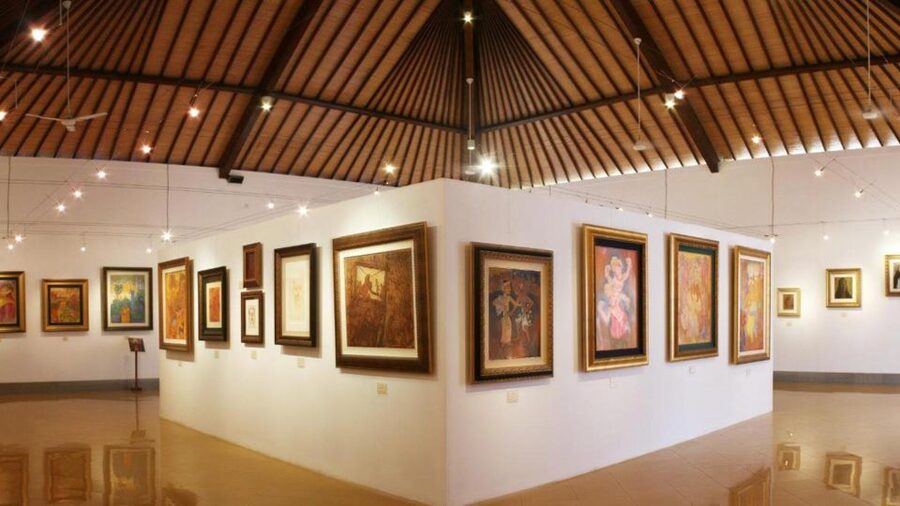
The Pacific collection is one of the museum’s main reasons to visit. The Michoutouchkine and Pilioko Collection of Premier Art of Oceania contains around 200 sculptures from 10 Pacific nations.
The collection was assembled over 50 years by the two artists, and its scale gives the museum a different feel from a gallery focused only on Bali. You see forms, materials, and visual ideas from across Oceania in one place. For many people, this will be the least familiar part of the visit, which makes the audio guide particularly useful.
I would give this section more time than you might expect. Paintings can be read quickly, but sculpture asks you to walk around it and notice shape, surface, and detail from different angles. The collection is not simply a small Pacific display added to an Indonesian museum. At around 200 pieces, it forms a substantial part of the visit.
The relaxed atmosphere works well here. You can look closely without feeling that you need to hurry past each object. The tradeoff is that the tropical climate matters. Humidity is a serious concern for art, and one visit raised worries about works becoming damaged because they were not well protected, with no air-conditioning and doors left open. If you care about conservation, keep this limitation in mind.
Same island, a completely different day out:
- All-Inclusive Ubud Private Tour
★ 5.0 · 14,344 reviews - Best of Ubud Full-Day Tour with Jungle Swing
★ 5.0 · 8,571 reviews - Ubud: Monkey Forest, Jungle Swing, Rice Terrace, and Water Temple
★ 5.0 · 7,160 reviews - ️Nusa Penida by Private Boat – Snorkeling 4 spots, Swim with Mantas + Land Tour
★ 5.0 · 6,424 reviews
The Legendary Western Artists Exhibition
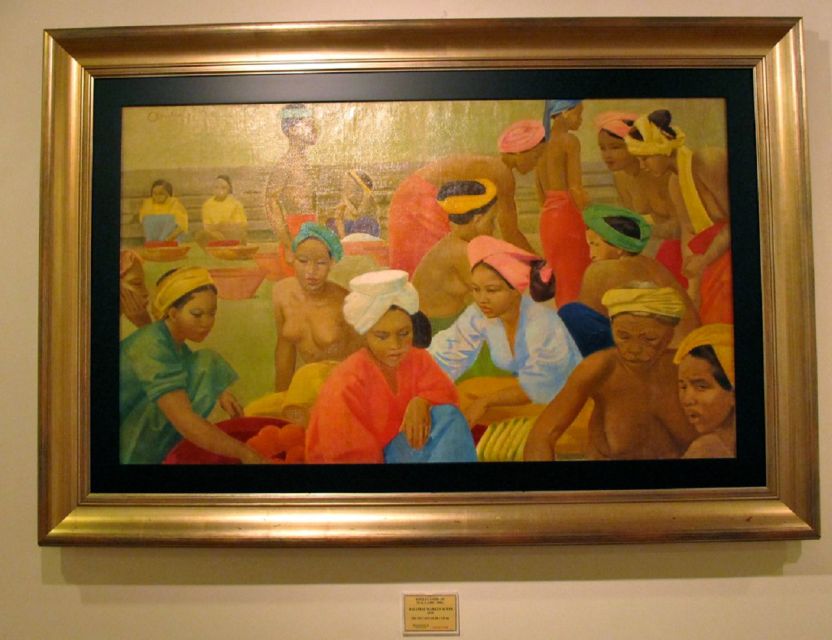
A separate section presents Western artists connected to Asia and the Pacific. The display includes sculptures and woodcuts by Paul Gauguin from his Tahiti period, along with works associated with Henri Rousseau, Henri Matisse, Auguste Rodin, Marvina Hoffmann, and Bernard Buffet.
This is an appealing stop for anyone who wants to connect well-known European art with the places and subjects that influenced it. Gauguin’s Tahiti-period work gives the section a clear Pacific link, while Rodin and Matisse bring a very different European artistic language into the museum.
Do not expect a large, formal survey of each artist. The value lies in seeing these works as part of a broader conversation about Asia and Oceania. The display encourages you to compare how artists from different backgrounds responded to non-European settings and subjects.
The audio guide can help you place these works in context. Without it, the famous names may attract your attention while less familiar artists receive only a quick glance. I would listen to the explanations for the artists you do not know, then spend your time looking rather than trying to cover every label.
How to use the audio guide well
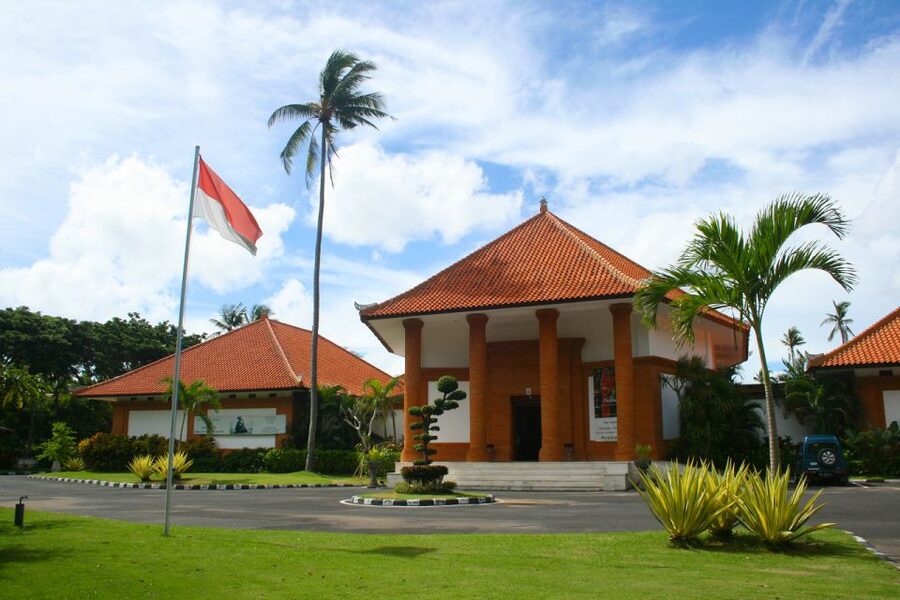
The audio guide is available in English and Indonesian, and it is optional. That flexibility suits this museum. You can listen to every explanation, choose only the works that interest you, or simply walk through and return to selected rooms.
I recommend using it in three places: the Indonesian masters section, the Pacific sculpture collection, and the galleries devoted to artists influenced by Asia. Those sections contain the most cultural and historical context, and a little explanation can make an unfamiliar work more approachable.
The guide is not a substitute for a live museum educator. No individual guide’s name is provided, because this is a self-guided experience rather than a tour led by a named person. That means you control the pace, but you also need to stay engaged and make your own connections.
If you are visiting with children, keep the audio use light. The museum allows children aged 0 to 11 to enter free, and younger visitors may enjoy the large sculptures more than long explanations. Let them choose a few pieces and then move on.
How long to allow and what is included
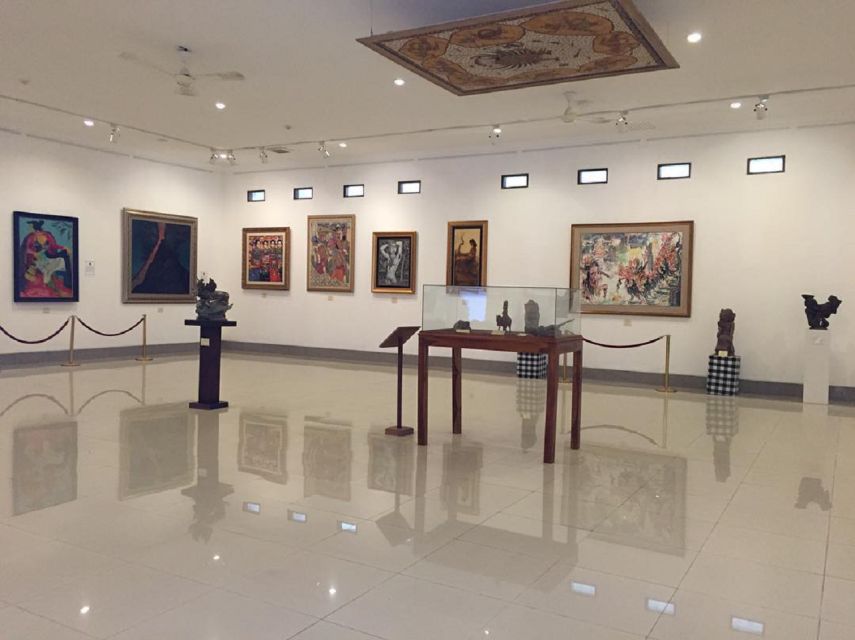
The ticket is valid for one day, but that does not mean you need a full day inside. The time you spend will depend on how closely you examine the collection and how much of the audio guide you use.
I would treat it as a flexible cultural stop rather than a day-long obligation. You can make a shorter visit between other Nusa Dua plans, or return to sections that caught your attention. The one-day validity gives you room to build the museum into a slower schedule.
The $7 price is strong value if you want art and a quiet indoor activity without paying for a large guided excursion. Admission also includes a refreshment, a cold towel, and a choice of tea, coffee, or infused water. Those extras will not determine your decision, but they are welcome in Bali’s heat.
The value is less clear if you expect a polished, climate-controlled museum with pristine presentation. The low price reflects a fairly simple experience. You pay for access to an unusually broad collection, not for a high-tech exhibition or a heavily managed tour.
Practical details for your visit
You show your ticket at the museum reception area. There is a large parking area onsite, along with a café and free Wi-Fi, so the stop is easy to combine with a day around Nusa Dua.
The galleries and facilities are wheelchair accessible, including access for motorized wheelchairs. That is an important advantage for visitors who need step-free access, although the available information does not describe every doorway or restroom in detail.
Flash photography, tripods, weapons, and sharp objects are not allowed. Bring your camera if you like, but plan to take ordinary photographs without flash and leave the tripod behind.
You can cancel up to 24 hours in advance for a full refund, and a reserve-now, pay-later option is available. These terms are useful if your Bali plans are still shifting. The ticket applies to the selected visit date, so check availability before you go.
Who will enjoy Museum Pasifika most
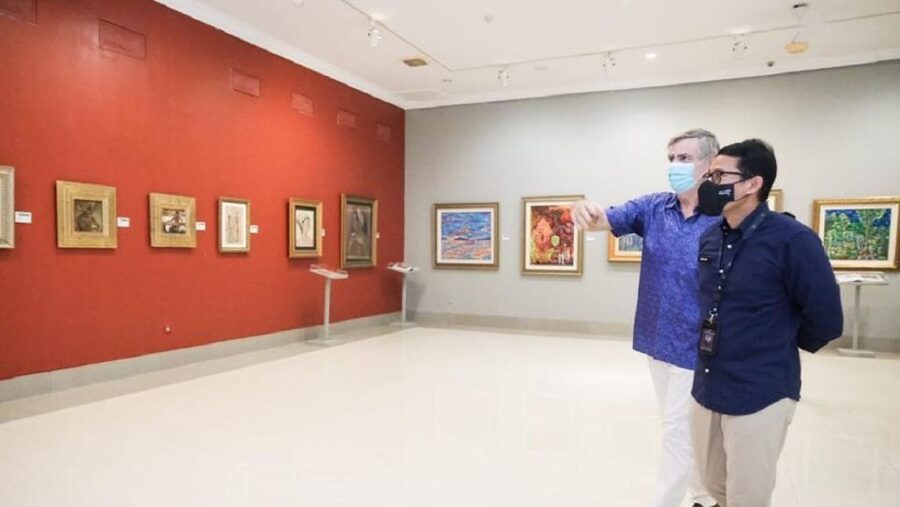
I would recommend this museum to you if you enjoy comparing cultures, looking at sculpture, or finding art beyond the usual Bali attractions. It is also a good choice if you want a quiet stop in Nusa Dua and prefer to explore without a group or fixed commentary.
Art students, collectors, and visitors interested in Indonesian painting will get the most from the range of artists. The Pacific collection is especially worthwhile if you have little chance to see Oceania sculpture elsewhere.
Families can make it work too, since children aged 0 to 11 enter free. The large sculptures and broad range of styles may hold a child’s attention better than a museum devoted to one narrow subject.
I would be more cautious if museum presentation matters as much to you as the collection itself. The reported lack of air-conditioning and open doors may affect comfort and conservation. On a hot day, the museum may not feel as cool or controlled as you expect from a major international gallery.
My verdict on the $7 ticket
Museum Pasifika offers an unusually broad art collection for a small admission price. I like the combination of Indonesian masters, Asia-inspired European work, Western artists connected to the Pacific, and a substantial Oceania sculpture collection.
Its best feature is its range. Its main weakness is the condition of the display environment, particularly the concern about humidity and protection for the art. Go for the collection and the calm pace, not for a slick museum building.
Should you book Museum Pasifika?
Book it if you are staying in Nusa Dua, want a low-cost cultural activity, and enjoy exploring at your own speed. The $7 admission, optional English or Indonesian audio guide, refreshments, parking, and accessible galleries make it an easy addition to your plans.
Skip it if you want a fully air-conditioned museum with tightly controlled conservation standards or a live guide leading you from room to room. For most art-minded visitors, though, the scale of the Indonesian and Pacific collections makes this a worthwhile stop, especially when you have time to look slowly.
FAQ
Where is Museum Pasifika located?
Museum Pasifika is in Nusa Dua, Bali, Indonesia.
How much does admission cost?
The admission ticket costs $7 per person.
How long is the ticket valid?
The ticket is valid for one day, on the selected visit date.
Is an audio guide included?
An audio guide is available as an option in English and Indonesian. You can choose to use it or explore without it.
Are children allowed to enter for free?
Yes. Children aged 0 to 11 can enter free of charge.
Is the museum wheelchair accessible?
Yes. The galleries and facilities are accessible for wheelchairs and motorized wheelchairs.
What does the ticket include besides admission?
The ticket includes an audio guide when selected, a refreshment, a cold towel, and drinks such as tea, coffee, or infused water.
Are hotel transfers included?
No. Hotel pickup and drop-off are not included. You show your ticket at the reception area when you arrive.
More Audio Tours in Indonesia
- Backlanes and Hidden Sites: A Self-Guided Audio Tour in Seminyak
★ 5.0 · 6 reviews
Just added around Indonesia
- Bali Airport Pick-up to Ubud (Arrival Transfer)★ 5.0 · 4 reviews
- Bali Airport: One-Way Private Transfer To/From Hotel★ 5.0 · 25 reviews
- Munduk Car Hire with English Speaking Driver★ 5.0 · 14 reviews
- Bali Airport – Arrival Transfer★ 5.0 · 5 reviews
- Bali ATV Quad Bike and White Water Rafting – All Inclusive★ 5.0 · 7 reviews
- Bali ATV Ride Ubud Jungle Track★ 4.5 · 5 reviews
- Bali All Inclusive : Tlaga Singha Infinity Pool & Atv Adventure★ 5.0 · 21 reviews
- Bali ATV Ride with Jungle Swing and Rice Terrace Tour★ 5.0 · 50 reviews
Tickets, compared.

Uluwatu Temple Entry and Kecak Fire Dance Ticket
Read our review →
Tanah Lot Temple Sunset Kecak & Fire Dance Show Ticket
Read our review →