
Reviewed · WORKSHOPS
Canggu Motorbike Lessons
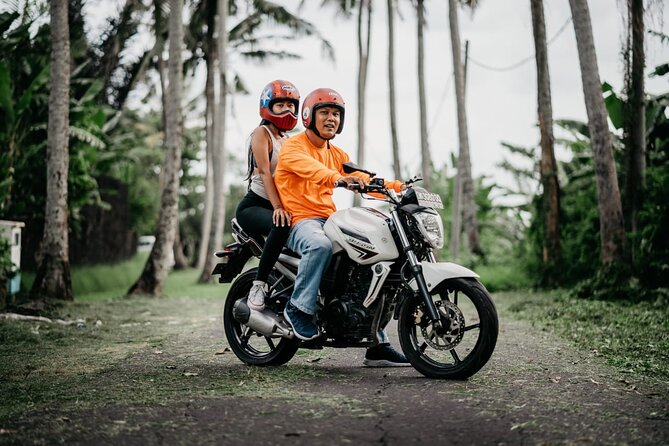
A manual motorbike lesson is a useful way to test your Bali riding plans before committing to the road. This is not a scooter class: you learn clutch control, gear changes, hill starts, and emergency braking on a proper manual bike.
I like the private format, since your group gets the instructor’s full attention, and I like the patient pace. Instructors including Gede, Rico, and Dino have helped nervous riders build confidence, with lessons adjusted around breaks when needed.
The main catch is simple: you must already know how to ride a scooter, and you need a valid license. If you are starting from zero, this two-hour session is not the right first step.
In This Review
- Key points at a glance
- Why a manual lesson matters in Bali
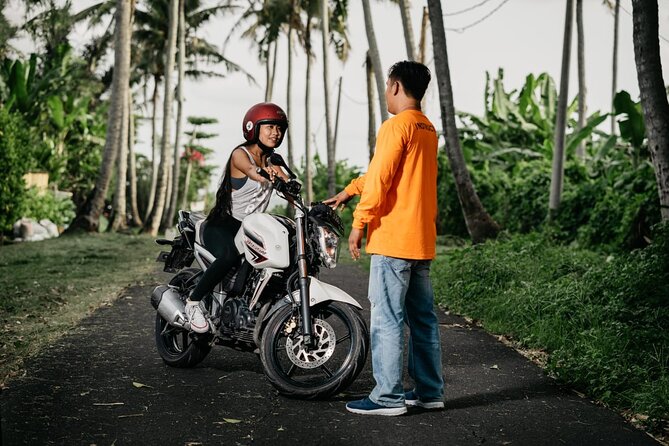
- Meeting at the quiet village street
- Understanding the bike before you ride
- Practicing clutch control, gears, and starts
- Moving from the village street to a real street
- What the instructors add to the lesson
- Safety equipment and physical demands
- Is $35 good value for two hours?
- Who should book this lesson?
- Should you book Canggu Motorbike Lessons?
- FAQ
- Is this a manual motorbike or an automatic scooter?
- Do I need scooter-riding experience?
- Do I need a valid license?
- How long is the lesson and when does it start?
- What equipment is included?
- Where does the lesson begin and end?
Key points at a glance
- Manual bike, not scooter: You learn clutch and gear control on a motorbike with a manual transmission.
- Quiet start: The lesson begins on a village street, giving you room to understand the bike before moving onto a street.
- Useful road skills: Hill starts, emergency braking, clutch work, and gear changes are part of the practical training.
- Private instruction: Only your own group takes part, so the pace can be slowed for extra practice or breaks.
- Safety equipment included: A motorbike, helmet, knee protectors, elbow protectors, and bottled water are provided.
- Two-hour confidence builder: The lesson is aimed at helping an experienced scooter rider feel more ready for a manual motorbike.
Why a manual lesson matters in Bali
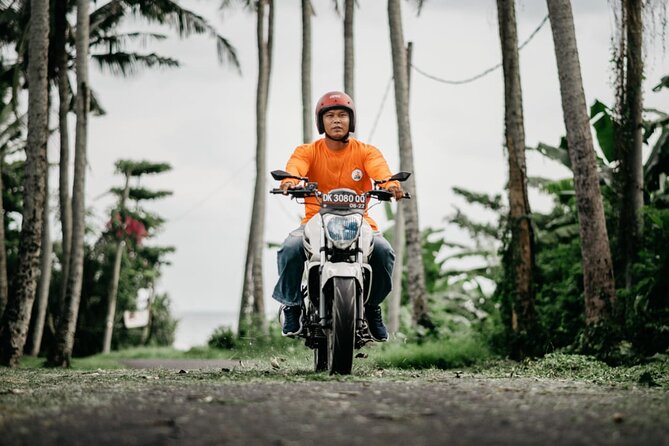
Bali is full of scooters, but a manual motorbike behaves differently enough to catch an experienced scooter rider off guard. A scooter normally handles clutch and gear work for you. On a manual bike, your left hand, left foot, throttle, brakes, and balance all need to work together.
That is why this lesson is more useful than simply being handed a bike and told to practice. You get time to understand what each control does before dealing with traffic. The session begins with theory, then moves through basic handling, and only continues to street practice once you feel ready.
I see this as a confidence lesson rather than a full motorcycle course. Two hours can give you a much better feel for the machine, but it cannot replace broad riding experience, formal licensing, or careful judgment on busy roads.
The experience has been particularly helpful for people who already ride scooters but feel uneasy about manual controls. One rider returned after an accident and found that the instructor helped restore confidence. Another took two lessons before feeling comfortable enough to handle Bali roads.
That detail matters. If you are nervous, you do not have to treat the session as a test that you either pass or fail. The structure allows you to repeat basic skills, take breaks, and move forward only when you are comfortable.
A few more Seminyak trips to weigh up
- Balinese Cooking Class in Seminyak
★ 5.0 · 281 reviews - Nia Balinese Cooking Class
★ 5.0 · 202 reviews - Nia Bali Seminyak Cooking Class
★ 5.0 · 127 reviews
Meeting at the quiet village street
The listed meeting point is C.S.L Meeting Point, at 94GX+FX7 in Canggu, Kuta Utara, Badung Regency, Bali 80351. The experience is broadly labeled with Seminyak as its location, so check the exact meeting details carefully when booking. The actual starting point provided for the lesson is in Canggu.
There is no private transportation included. You need to arrange your own way to the meeting point, and the activity ends there as well. That makes the location important if you are staying in Seminyak or elsewhere in south Bali.
The stated start time is 9:00 am. A morning session is sensible for a lesson because you can focus on learning before spending the rest of the day on other plans. You should still allow enough time to reach the meeting point without rushing. Arriving flustered is not a good way to begin a clutch lesson.
The setting is a quiet village street. That gives you a calmer place to inspect the bike, listen to the explanation, and get your first movements right. You are not immediately thrown into a crowded road, which is one of the best features for a rider who is still finding the clutch’s friction point.
Understanding the bike before you ride
The lesson starts with theory about how the motorbike works and what each part does. This may sound basic, but it is valuable if you have only used an automatic scooter.
You should expect the instructor to explain the function of the clutch, gears, brakes, and other controls before asking you to ride. The purpose is not to bury you in technical information. It is to give you a clear mental picture before your hands and feet have to coordinate everything.
The clutch is usually the main hurdle for a scooter rider. You need to release it gradually while applying enough throttle to keep the engine from stalling. At the same time, you must know when to change gear and how to use the brakes without upsetting the bike.
This early explanation also gives you a chance to ask questions before moving. If you have never used a manual motorcycle, say so clearly. If you have ridden one before but are rusty, say that too. The instructors have worked with people at different confidence levels, and the session is private.
Practicing clutch control, gears, and starts
Once the explanation is finished, you move into the basic skills. Clutch control and gear changes are the heart of the lesson, but they are not the only points covered.
You practice getting the bike moving, changing gears, slowing down, and stopping. The instructor can watch how you use the controls and correct small problems before they become habits. That one-on-one attention is more useful than trying to learn from a group demonstration.
Hill starts are included, which is an important addition. Starting on an incline requires more control than starting on flat ground. You need to balance clutch release and throttle while preventing the bike from rolling backward. It is a skill worth practicing in a controlled setting rather than discovering it unexpectedly on the road.
Emergency braking is also part of the lesson. Bali riding requires attention, and knowing how to stop firmly matters as much as knowing how to accelerate. The session gives you a chance to work on this response without treating it as a surprise in live traffic.
You can take as much break time as you need. That is especially useful if you are tense or if coordinating the controls takes more concentration than expected. A short pause can help you reset instead of repeating the same mistake while tired.
Same island, a completely different day out:
- Bali Full-Day Traditional Village Sightseeing Trip All Inclusive
★ 5.0 · 3,069 reviews - Experts Bali Driver : Best Bali Private Driver for Tour in Bali
★ 5.0 · 1,339 reviews - Bali Hai Sunset Dinner Cruise
★ 5.0 · 1,173 reviews - Private Arrival Transfer: Bali Airport to Hotel
★ 4.5 · 739 reviews
Moving from the village street to a real street
The lesson does not move onto a street at the start. You first work through the basics and continue only when you feel confident enough. This gradual change is a strong point for anyone who has ridden scooters but has little manual-bike experience.
Street practice gives the earlier exercises a purpose. You can use the gears, clutch, and brakes in a more realistic setting, while still having an instructor nearby. The available information does not specify the exact street route or traffic conditions, so you should not book this expecting a scenic tour or a long ride around Bali.
This is a skills session, not sightseeing. You will spend your time focusing on control rather than views, landmarks, or local stops. That may feel modest compared with a standard excursion, but it is the right trade-off if your real goal is to ride independently later.
The instructor decides when the move is appropriate based on your confidence. That is important because a fixed schedule can push a nervous rider too quickly. Here, the lesson is described as continuing only when you are completely confident, though you should still be honest about your ability and limits.
What the instructors add to the lesson
The named instructors connected with the experience include Gede, Rico, and Dino. Feedback about all three points to the same useful qualities: clear explanations, patience, and a slow approach when needed.
Gede appears to be a common instructor for people who are anxious about riding. The comments about his teaching describe simple lessons that were easy to understand, along with fast progress for riders who were ready to learn. That does not mean everyone will master the bike quickly, but it suggests that he explains the steps in a direct way.
Rico has worked with a rider who had stopped driving for six months after an accident. That is a useful sign for anyone returning to motorcycling after a long pause. You should not expect an instructor to remove every concern, but calm coaching can make the first attempt less intimidating.
Dino is also praised for restoring confidence after a riding break. If you have not been on a bike recently, tell the instructor before beginning so the early part of the session can focus on comfort and control.
The six available ratings are all 5 out of 5, but the small number of ratings means I would treat that as encouraging rather than conclusive proof that every lesson will be perfect. Your progress will depend on prior scooter experience, comfort with manual controls, and how much practice you need.
Safety equipment and physical demands
The price includes the motorbike, a helmet, knee protectors, elbow protectors, and bottled water. That keeps the basic equipment cost clear and means you do not need to arrange a bike just to attend the lesson.
You should still take the safety side seriously. A helmet and protective pads help, but they do not make riding risk-free. The activity requires a moderate level of physical fitness, and you need to be able to balance the bike, operate the controls, and stay alert during practice.
A valid license is required. The lesson does not remove the need to follow Indonesian licensing rules, and it is not a substitute for legal permission to ride. Bring the appropriate license with you and make sure you understand the requirements that apply to your own situation.
The good-weather condition also matters. Motorbike training is affected by rain and slippery surfaces, especially while you are learning braking, turning, and hill starts. If poor weather causes a cancellation, you are offered another date or a full refund.
Is $35 good value for two hours?
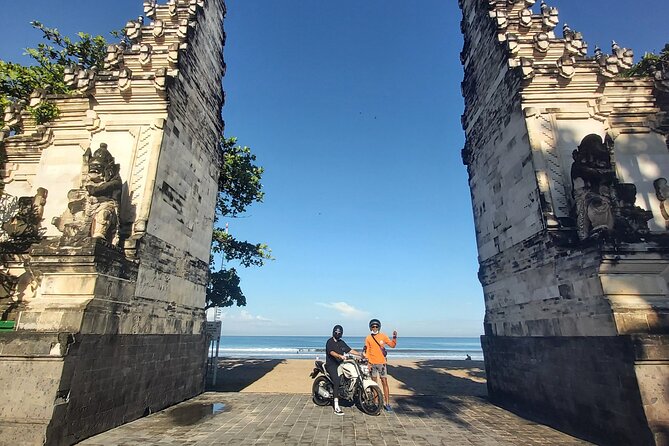
At $35 per person, you are paying for a private two-hour lesson with the bike and protective equipment included. The value comes from instruction and practice, not from distance covered or places visited.
I think the price makes sense if you plan to ride a manual bike more than once in Bali or elsewhere. A short lesson can help you decide if the machine suits you before you rent one for a longer period. It can also prevent an expensive mistake caused by borrowing or renting a bike that you cannot confidently control.
The value is weaker if you only want a brief novelty ride. You will need prior scooter experience, a valid license, and your own transportation to the meeting point. If you do not plan to ride a manual bike after the lesson, a scooter rental or another activity may fit your plans better.
Because the tour is private, the price also buys flexibility. You are not sharing the instructor’s attention with a large class. If you need repeated practice with starts or braking, that one-on-one format should be more useful than a quick group demonstration.
Who should book this lesson?
This is best for an experienced scooter rider who wants to learn manual controls before riding independently. It also suits someone returning to motorcycling after a break, provided that person already has the required scooter background.
It is a good match if you feel curious but uncertain. You can learn the basics in a quiet setting, take breaks, and decide how far to progress based on your comfort. The session may also help you understand whether riding a manual bike feels natural before making a longer rental commitment.
I would not choose it for a complete beginner who has never ridden a scooter. The experience specifically requires scooter experience, so starting here without that foundation would put you at a disadvantage.
It is also not for someone seeking a guided sightseeing ride. There is no stated route, scenic stop, or transportation service. The two hours are devoted to riding technique.
Book at least a day ahead if you can. The experience is often reserved about five days before the date, so leaving it until the last minute may limit your choice of time. Free cancellation is available if you cancel at least 24 hours before the 9:00 am start. Changes or cancellations inside that window are not refunded, except when poor weather causes the operator to cancel.
Should you book Canggu Motorbike Lessons?
Book it if you already ride a scooter, have a valid license, and want a focused introduction to a manual motorbike. The private setup, quiet starting point, protective gear, and patient approach give you a sensible way to build control before taking on Bali roads.
Skip it if you are a complete riding beginner, need hotel transport, or mainly want a sightseeing activity. For the right rider, $35 buys more than a short ride. It gives you a controlled chance to learn the parts of a manual bike that a scooter cannot teach.
FAQ
Is this a manual motorbike or an automatic scooter?
This is a manual motorbike lesson, not a scooter lesson. You practice the clutch, gears, hill starts, and other manual-bike skills.
Do I need scooter-riding experience?
Yes. Scooter-riding experience is required before taking this lesson.
Do I need a valid license?
Yes. You should have a valid license to take part.
How long is the lesson and when does it start?
The lesson lasts approximately two hours and starts at 9:00 am.
What equipment is included?
The activity includes a motorbike, helmet, bottled water, knee protectors, and elbow protectors.
Where does the lesson begin and end?
The lesson begins at C.S.L Meeting Point, 94GX+FX7, Canggu, Kuta Utara, Badung Regency, Bali 80351, Indonesia. It ends back at the same meeting point. Private transportation is not included.
Just added around Seminyak
- Ubud Private Tour★ 5.0 · 36 reviews
- Bali Airport Transfers | Bali Airport Welcome pick up | Bali Airport Taxi★ 4.0 · 27 reviews
- Surf lesson | Energy surfschool krui★ 5.0 · 3 reviews
- Kuta Seminyak Scooter Lessons★ 5.0 · 40 reviews
- Wonderful Bali In 3 Days Private Tour★ 5.0 · 56 reviews
- Zero Gravity Flotation Therapy in Canggu Bali by Solace Float★ 5.0 · 36 reviews
- Ubud Tubing Adventure Holy Spring Temple Private Guided Tour★ 5.0 · 49 reviews
- White Water Rafting & ATV Adventure Private & All-Inclusive Tour★ 5.0 · 21 reviews
Workshops, compared.


PRIVATE Authentic Balinese Cooking Class in Ubud at Putu’s Home
Read our review →

Learn to cook Indonesian food at Gili Cooking Classes Trawangan
Read our review →


Browse the lists this tour appears in