
Reviewed · LOMBOK TOURS
Lombok Sasak Culture Tour from Mataram
Lombok’s Sasak culture comes into focus through hands-on village traditions rather than museum displays. You’ll watch pottery shaped by hand in Banyumulek, see colorful songket weaving in Sukarara, walk among bamboo-and-thatch homes in Sade, then finish at Tanjung Aan Beach, where turquoise water and soft sand invite a swim.
I like the mix of culture and coast. I also like the small-group limit of 10 people, plus hotel pickup and an air-conditioned car, which make a long day easier in Lombok’s heat. Guides Nathan and Yogi have also handled airport pickups and speak English and Bahasa Indonesia.
The main drawback is the pace. One hour at each cultural stop gives you a useful first look, but not much time for slow shopping or detailed craft instruction. Lunch, snorkeling, and equipment are extra, and the meeting-point information should be confirmed because the tour also advertises hotel pickup.
In This Review
- Key points to know before booking
- A useful first look at Lombok’s Sasak traditions
- Banyumulek pottery, where clay is shaped by hand
- Sukarara and the patient work of songket weaving
- Sade Village and old-style Sasak homes
- Lunch near Kuta comes before the beach
- Tanjung Aan Beach, a relaxed finish
- Transport, timing, and the small-group limit
- Is $60.26 a fair price?
- What I like most, and what gives me pause
- Who should book this Lombok day tour?
- Should you book it?
- FAQ
- How long does the Lombok Sasak Culture Tour last?
- What places does the tour visit?
- Is hotel pickup included?
- Is lunch included?
- Is snorkeling included?
- What type of transport is provided?
- Is an English-speaking guide included?
- How many people can join the tour?
- Can children join the tour?
Key points to know before booking
- Four contrasting stops: Pottery, weaving, Sasak village life, and a beach visit give you a broad first look at southern Lombok.
- Banyumulek is hands-on: You can watch pottery being formed by muddy hand, with no measuring tools used in the process.
- Sukarara is the textile stop: Look for colorful songket cloth made with inherited patterns and techniques.
- Sade feels more architectural: Bamboo walls, thatched roofs, and rice granaries show how a Sasak village is arranged.
- Tanjung Aan adds swimming time: The beach has turquoise water, soft sand, and optional snorkeling for an extra fee.
- Plan for extras: Lunch is not included, and the tour is non-refundable except when the operator cancels for poor weather or too few bookings.
A useful first look at Lombok’s Sasak traditions
This tour works best as an introduction. In eight hours, you move through several parts of Lombok’s cultural life without needing to arrange separate drivers, village visits, and beach transport.
The Sasak people are indigenous to Lombok, and the tour focuses on traditions that remain tied to daily work. Pottery supports the local economy in Banyumulek. Weaving carries family patterns and methods forward in Sukarara. Sade offers a look at older house styles and village design.
You will not get a long academic study of Sasak culture in one day. Instead, you get a series of clear, visual encounters. That is useful on a first visit, especially if you want cultural context before spending more time on Lombok’s beaches or other villages.
The route also has a sensible rhythm. The morning is devoted to crafts and village life. After lunch in the Kuta area, the afternoon shifts to the coast. The change of scene keeps the day from feeling like a string of similar stops.
Other Lombok days people book alongside this one:
- Learn to cook Indonesian food at Gili Cooking Classes Trawangan
★ 5.0 · 352 reviews - Tetebatu Walking Tour – Rice Terraces, Waterfall & Monkey Forest
★ 5.0 · 349 reviews - Gili Island Snorkeling Trip – Gili Trawangan, Gili Meno, & Gili Air, From Lombok
★ 5.0 · 330 reviews
Banyumulek pottery, where clay is shaped by hand
Your first cultural stop is Banyumulek, known for pottery made by Sasak craftspeople over many generations. The most interesting part is the working process. You may see a woman forming a future pot with a muddy hand, while other pieces sit out to dry.
The pottery comes in different shapes, sizes, colors, and uses. The process is described as relying on the maker’s feel and judgment rather than measuring equipment. That detail gives the visit more meaning than simply walking past finished souvenirs. You can see how skill is carried in the hands.
I would allow yourself time to look closely before buying. Notice the difference between practical household pieces and decorative items. The one-hour stop is long enough for a demonstration and browsing, but you may need to be selective if you like to ask many questions or compare a large number of pieces.
There is no admission charge listed for Banyumulek. That does not mean you need to buy pottery. You can treat the stop as a chance to learn about a long-standing village trade, then purchase only if you find something useful or distinctive.
For shoppers, this is one of the tour’s better opportunities to buy directly in a craft village rather than at a general souvenir shop. Ask your guide about packing and transport if you purchase fragile pottery, since the tour information does not specify how larger pieces are handled.
Sukarara and the patient work of songket weaving
The next stop, Sukarara, shifts from clay to cloth. This village is associated with traditional weaving, especially songket fabric with strong colors and intricate patterns.
The value here is seeing the work behind the finished textile. Patterns and motifs are linked to techniques passed from one generation to the next. Even if you do not buy anything, the visit helps explain why a woven cloth can take on cultural meaning beyond its color or design.
You can also shop for textiles in Sukarara. The tour information notes that village prices can be lower than those in shops, though you should still compare quality, size, material, and pattern before deciding. Ask what the cloth is made from if that matters to you, since the tour details do not identify the fiber content.
A one-hour visit gives you enough time to watch the weaving and browse. It may feel brief if you enjoy textiles and want to study each motif. If you are buying a scarf, wall hanging, or larger piece, remember that the most colorful item is not automatically the best value. Look at the edges, the consistency of the pattern, and how well the cloth suits your luggage and home.
Sukarara is also a good place to ask your guide for help with cultural context. English and Bahasa Indonesia are both used by the guides, and an explanation can make the patterns and methods easier to appreciate.
Sade Village and old-style Sasak homes
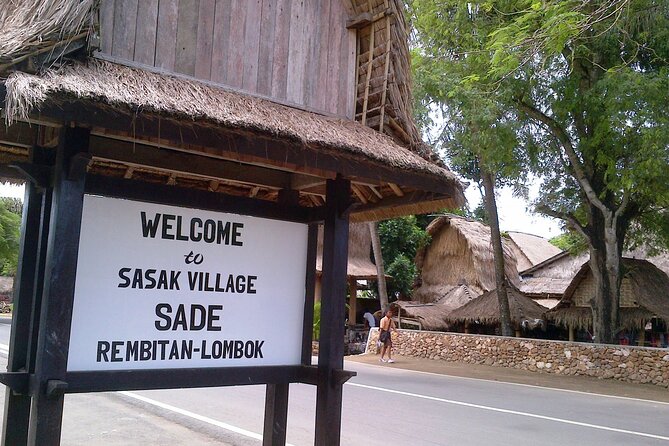
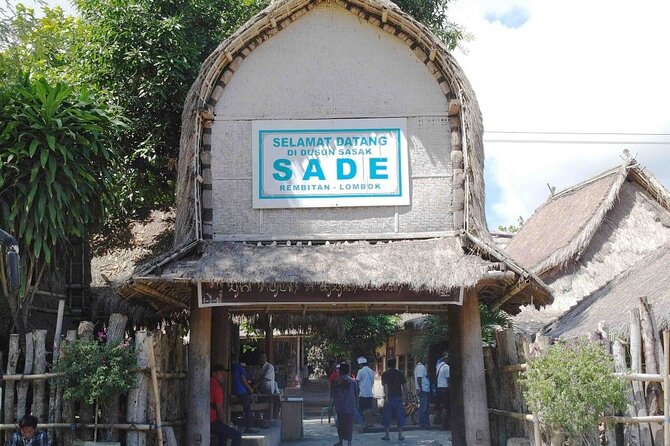
Sade gives you the clearest look at traditional Sasak village architecture on this route. Buildings use wood and bamboo for their walls and thatch for their roofs. Some homes also have rice granaries, a distinctive feature of the village.
The appeal is not one grand monument. It is the arrangement of ordinary structures and the way they reflect local life. A walk through Sade can help you picture how families stored food, built homes, and organized a village before modern construction became common.
The visit lasts about an hour. That is enough to see the traditional buildings and get a basic sense of Sasak life, but you should not expect a long stay inside every house or an extended cultural workshop. The experience is primarily observational.
Sade is also a shopping stop, so be prepared for local textile sellers. That can be useful if you missed a purchase in Sukarara, but it can also make the visit feel less quiet. Keep your focus on the buildings and village layout, then browse at your own pace.
One Tripadvisor account describes the Sasak cultural center as a place with traditional buildings, textile shops, and local products. That matches the practical value of this part of the day: you get cultural setting and shopping in one place. If you want a more private or slow-paced village visit, a private custom tour may suit you better than this fixed schedule.
Same island, a completely different day out:
- Snorkeling with turtle and statue in Gilis
★ 4.5 · 301 reviews - Anggrek Putih Lombok Cooking Class
★ 5.0 · 253 reviews - Private Snorkeling Gili Island (Coral, Statue and Turtle)
★ 5.0 · 229 reviews - Day Trip 5 Secret Gilis : Layar, Rengit, Nanggu, Tangkong, Kedis
★ 5.0 · 192 reviews
Lunch near Kuta comes before the beach
After Sade, the route continues toward the Kuta area for lunch at a local restaurant. Lunch is not included, so bring enough money for your meal and any drinks.
The supplied information does not name the restaurant or provide a set menu. That gives the day some flexibility, but it also means you should not book expecting a particular dish or dining style. Ask your guide about the meal options when you are ready to stop.
This break matters because the cultural visits are spread across the day, and the final beach stop comes afterward. Use lunch as a chance to rest, cool down, and decide how much activity you want at Tanjung Aan.
Tanjung Aan Beach, a relaxed finish
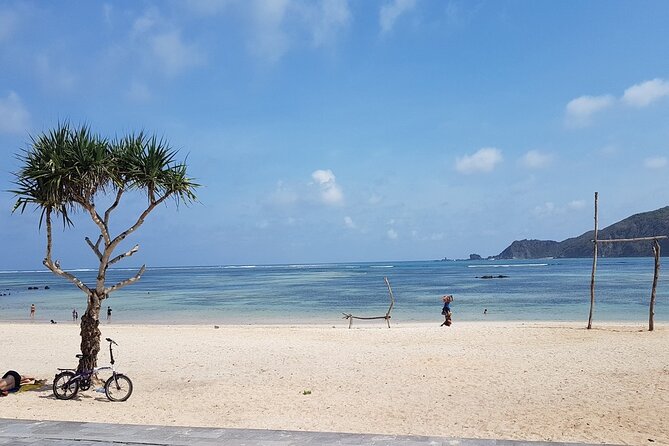
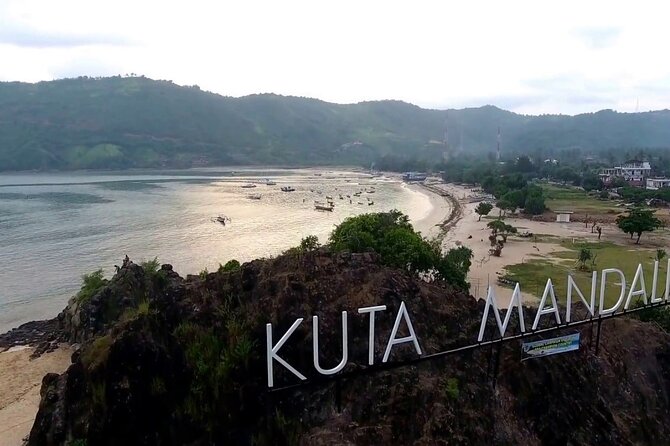
Tanjung Aan is the tour’s easygoing final stop. The beach is described as having golden or pepper-colored sand, turquoise water, and medium-height waves. It is presented as a good place to swim, sunbathe, buy a young coconut, and enjoy the view.
The stop lasts about an hour, which is enough for a swim and a short rest. It is not a full beach day. If you want long hours under an umbrella, extended snorkeling, or plenty of time in the water, you may find the schedule too tight.
Snorkeling is available at an additional cost, with gear for hire. Since no equipment, operator, or marine conditions are specified, treat snorkeling as an optional add-on rather than a central promise of the tour. You will need to pay separately for the gear.
The beach is a welcome contrast after the village visits. You can stop thinking about purchases and architecture for a while and simply sit by the water. Bring suitable swimwear, sun protection, and a way to keep valuables dry, although the tour information does not state whether changing rooms or lockers are available.
A young coconut bought at the beach can be a pleasant local touch, but it is also an extra expense. Keep small cash available for beach purchases and snorkeling if you plan to use them.
Transport, timing, and the small-group limit
The tour begins at about 8:30 a.m. and lasts roughly eight hours. An air-conditioned vehicle is included, along with hotel pickup and drop-off. That is a real advantage in Lombok, where moving between villages and the southern coast can make an otherwise simple day tiring.
The group limit is 10 people. That is small enough for a more personal feel than a large coach tour, while still keeping the price moderate. The tour requires at least two people per booking, so it is not designed for solo bookings under the stated terms.
The published meeting-point details are confusing. They identify Sade Village as the start and end point, while the main tour information says hotel pickup and drop-off are included. Confirm the exact pickup arrangement when you book, especially if you are staying in Mataram, arriving by cruise ship, or hoping to be collected at Lombok International Airport.
One account describes guides Nathan and Yogi collecting passengers from the airport and taking them to a Sasak cultural village. That suggests airport transfers may sometimes be arranged, but the standard information specifically refers to hotel pickup. Do not assume airport pickup is included without checking. Cruise passengers may also face an additional charge.
Children can take part, but they must be accompanied by an adult. Most people can participate, although the information does not give details about wheelchair access, walking distances, or facilities at each village. Ask the operator if anyone in your party has mobility needs.
Is $60.26 a fair price?
At $60.26 per person, the tour offers a practical bundle: an English-speaking guide, air-conditioned transport, hotel pickup and return, four stops, and about eight hours on the road. For a first visit, that can be good value because arranging the same route independently would mean finding transport and coordinating several village visits.
The price is less attractive if you mainly want a beach day. Only about an hour is assigned to Tanjung Aan, and lunch, snorkeling, and gear are extra. The cultural stops are the reason to book this experience.
You should also factor in shopping pressure and optional purchases. The tour brings you to pottery and weaving villages where you will have opportunities to buy local goods. That is part of the experience, but set your own budget before leaving.
The small maximum group is another point in the price calculation. You are not paying for a large sightseeing bus, and a smaller group can make it easier to hear explanations and ask questions. Still, the short three-stop cultural format means you are paying for breadth rather than depth.
What I like most, and what gives me pause
I like the range. Banyumulek, Sukarara, and Sade are not interchangeable stops. Each shows a different part of Sasak life: making pottery, producing cloth, and living in traditional buildings.
I also like the balance between culture and the coast. Tanjung Aan gives you time to cool off and enjoy Lombok’s scenery rather than spending the entire day moving from one village to another.
The strongest praise attached to this experience concerns the guides. Nathan and Yogi are specifically named for friendly service and English and Bahasa ability. That matters because craft demonstrations and village visits are much more useful when you can ask simple, direct questions.
My main reservation is the compressed timing. One hour per cultural stop is enough for orientation, but not for a slow study of pottery, weaving, and architecture. The 3.7 rating from only three submitted ratings suggests a limited evidence base, so I would not use the score alone to make the decision. Focus instead on whether this route and pace match your priorities.
Who should book this Lombok day tour?
I would choose this experience if you are staying in or near Mataram and want a one-day introduction to Sasak culture without arranging transport yourself. It suits first-time visitors who like a clear schedule, local crafts, traditional buildings, and a short beach stop.
It also suits couples, families with accompanied children, and small groups that prefer a vehicle to public transport. The air conditioning and hotel transfer are particularly useful if you do not want to negotiate several rides in the Lombok heat.
I would look elsewhere if your main interest is detailed textile study, extended time with pottery makers, or a full day at the beach. You may also prefer another option if you dislike shopping stops or want an itinerary with no uncertainty about pickup points.
Book with realistic expectations: this is a broad cultural sampler with a pleasant coastal finish. It is not a specialist craft course, a private village homestay, or a full beach excursion.
Should you book it?
Book this tour if you want one efficient day covering Lombok’s main Sasak culture sights, with transport and a guide already arranged. The combination of Banyumulek pottery, Sukarara weaving, Sade village homes, and Tanjung Aan gives you a useful sense of place for the price.
Before paying, confirm the exact pickup location, ask about any airport or cruise-passenger surcharge, and budget separately for lunch and snorkeling. Also remember that the booking is non-refundable and cannot normally be changed. If bad weather or too few bookings force cancellation, you can choose another date or receive a full refund.
FAQ
How long does the Lombok Sasak Culture Tour last?
The tour lasts approximately eight hours, beginning at about 8:30 a.m.
What places does the tour visit?
The route includes Banyumulek pottery village, Sukarara traditional weaving village, Sade Traditional Weaving Village, and Tanjung Aan Beach.
Is hotel pickup included?
Yes. Hotel pickup and drop-off are included in the tour details. The meeting-point information also lists Sade Village, so confirm the exact pickup arrangement when booking.
Is lunch included?
No. Lunch at a local restaurant in the Kuta area is not included.
Is snorkeling included?
No. Snorkeling may be available at Tanjung Aan Beach, but equipment hire and the activity cost extra.
What type of transport is provided?
Transport is provided in an air-conditioned vehicle.
Is an English-speaking guide included?
Yes. An English-speaking guide is included. Guides Nathan and Yogi are specifically associated with this experience and speak English and Bahasa Indonesia.
How many people can join the tour?
The tour has a maximum of 10 participants. A minimum of two people per booking is required.
Can children join the tour?
Yes. Children can participate, but they must be accompanied by an adult.
Just added around Lombok
- Trekking Rinjani Volcano To Crater Rim Senaru 2D-1N Private – Syam Trekker★ 5.0 · 45 reviews
- Waterfall Tour And Sasak Traditional Tour★ 5.0 · 3 reviews
- Full-Day Private Trip to South Lombok★ 5.0 · 15 reviews
- MODERATE HIKING: 2D/1N Crater Rim Senaru | Rinjani Samalas Tour★ 5.0 · 8 reviews
- Trekking Rinjani Mountain Summit 2 Days 1 Night – Em Adventure★ 5.0 · 42 reviews
- Fantastic trip to Sindang Gile & Tiu Kelep Waterfall★ 4.5 · 3 reviews
- Trekking Rinjani 1 Day Trek Senaru Crater Rim★ 5.0 · 3 reviews
- Panorama Walking Tour and Culture, West Lombok★ 5.0 · 6 reviews
Lombok Tours, compared.

Learn to cook Indonesian food at Gili Cooking Classes Trawangan
Read our review →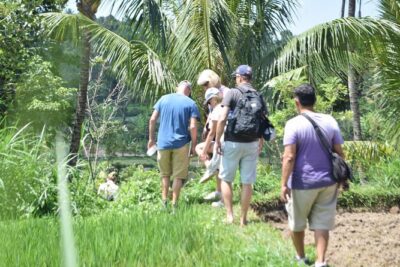
Tetebatu Walking Tour – Rice Terraces, Waterfall & Monkey Forest
Read our review →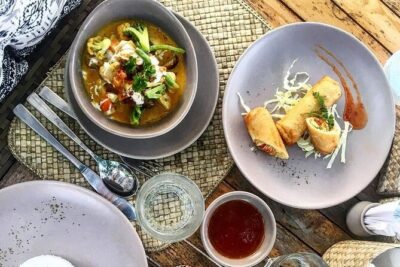
Gili Island Snorkeling Trip – Gili Trawangan, Gili Meno, & Gili Air, From Lombok
Read our review →
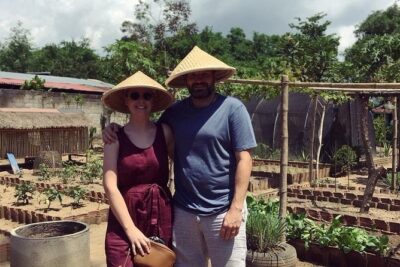

Private Snorkeling Gili Island (Coral, Statue and Turtle)
Read our review →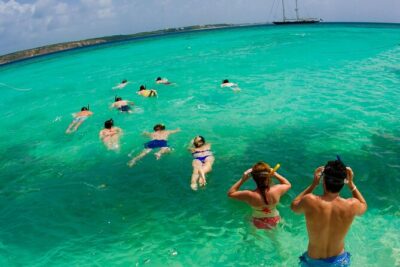
Day Trip 5 Secret Gilis : Layar, Rengit, Nanggu, Tangkong, Kedis
Read our review →
Browse the lists this tour appears in