
Reviewed · WORKSHOPS
Ubud Pottery Ceramic Class in Bali
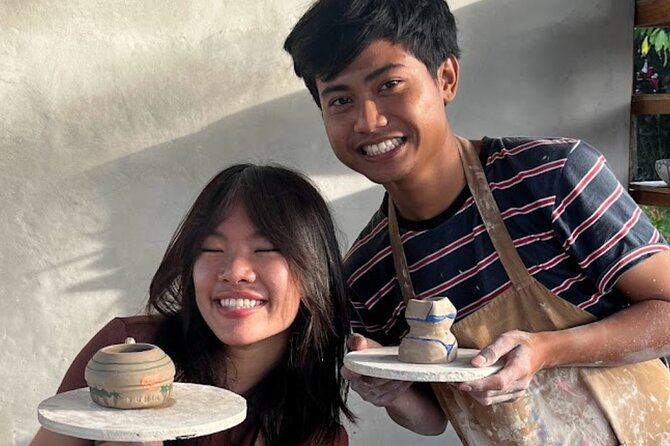
At Tana Ampo Pottery Studio, you work with 2kg of clay and learn both hand-building and wheel throwing during a roughly three-hour class. This is a useful way to meet Balinese craft through your own hands, not just by looking at finished objects.
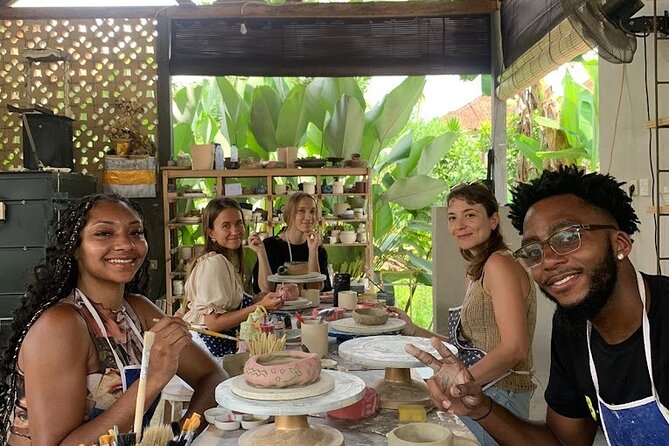
I like the small maximum of 10 people, which should give the instructors room to help beginners. I also like that you can make two types of work, one by hand and one on the wheel, in a pretty garden setting.
The main catch is location. The studio is in Singapadu, Sukawati, not central Ubud, and the drive can take about 30 minutes or longer in traffic. If you want to bring your pottery home, leave at least four days for the pieces to be finished.
In This Review
- Key points to know before booking
- Why this pottery class feels different from a quick craft stop
- Arriving at Tana Ampo in Singapadu
- The first stage: learning how clay behaves
- Hand-building your first piece
- Trying the pottery wheel
- Creating two pieces with your own style
- The four-day rule for taking pottery home
- How the $31.31 price compares with the experience
- Who should book this Singapadu workshop
- Booking details worth checking
- Should you book the Ubud pottery class?
- FAQ
- Where does the pottery class meet?
- Is the studio in central Ubud?
- How long does the pottery class last?
- How much does the class cost?
- How much clay is included?
- Can beginners take part?
- How many people can join the class?
- Can I take my pottery home?
- What is included in the price?
- What is the cancellation policy?
Key points to know before booking
- Two pottery methods: You can try hand-building and wheel throwing rather than sticking to one technique.
- 2kg of clay included: That is enough material for several attempts, depending on the size of your pieces.
- Small class size: The maximum is 10 people, a helpful limit for hands-on instruction.
- Singapadu location: The studio is outside central Ubud, at Tana Ampo Pottery Studio in Sukawati.
- Three-hour creative session: Plan time for shaping, personal details, and instruction without rushing.
- Four-day collection tip: Leave at least four remaining days if you want to take fired work home.
Why this pottery class feels different from a quick craft stop
Many Bali activities ask you to watch a craft demonstration, take a photograph, and move on. This class gives you clay, tools, instruction, and time to make something yourself. That changes the mood completely. You are not simply seeing a Balinese tradition. You are learning how difficult it is to control clay.
The class focuses on basic techniques, so you do not need previous pottery experience. The instructors begin with the fundamentals and show you how to shape the material. You may find the first attempt wobbly or uneven, but that is part of the appeal. Pottery rewards patience, and the class lets you see that good-looking ceramics require more than a few turns of a wheel.
You also get to try two approaches. Hand-building gives you direct control over the form. You can press, roll, shape, and add personal touches without needing to keep a spinning piece centered. Wheel throwing feels more demanding. The clay moves quickly, and small changes in pressure can alter the whole shape.
That combination makes the session more useful than a single demonstration. You learn that ceramics are not made from just any soil, and that different clay types and ratios affect the result. The lesson stays practical rather than academic, but it gives you a better sense of how everyday jars, flower pots, and decorative pieces begin.
A few more Nusa Dua trips to weigh up
- Kekeb Cooking Class at Nusa Dua
★ 5.0 · 33 reviews - Ubud Cooking Class Bali with Balinese Chef
★ 5.0 · 1,609 reviews - Ubud Silver Class Jewelry making in bali
★ 5.0 · 978 reviews
Arriving at Tana Ampo in Singapadu
The meeting point is Tana Ampo Pottery Studio, listed at C793+8PH, Central Singapadu, Sukawati, Gianyar Regency, Bali 80582. Although the activity is marketed as an Ubud pottery class, this is not in central Ubud itself.
That distinction matters when you plan your day. The studio can be about 30 minutes from central Ubud, and traffic can make the journey longer. If you are coming from Nusa Dua, allow extra time still. The stated location for the activity is Nusa Dua, but the actual meeting point is in Singapadu, so check your route carefully before setting off.
I would avoid booking a tightly timed activity immediately afterward. Bali traffic can be unpredictable, and you will not want to spend the final part of a calm pottery session watching the clock. The class ends back at the same meeting point, with no separate finishing location to arrange.
The setting is described as a beautiful garden, which adds to the appeal. A garden studio suits pottery well. Clay work can be messy, and an outdoor or garden atmosphere feels more natural than a polished indoor attraction. The surroundings also give you a quieter break from Bali’s busy roads and shopping areas.
The first stage: learning how clay behaves
The class starts with instruction from local pottery mentors. You learn the basic ideas behind ceramics before working through your own pieces. The teaching is aimed at beginners, and the available information indicates that the mentors explain the process from the start in a way that is easy to follow.
Expect the opening part to focus on handling clay and understanding its form. You need to prepare the material, control its shape, and keep it from collapsing. The exact order of exercises is not specified, so I would treat the session as a guided introduction rather than a formal professional course.
The 2kg clay allowance gives you enough material to experiment. You might use it for two larger pieces or several smaller forms, depending on how much clay you keep and how many attempts you make. Do not assume every scrap will become a finished pot. Beginners often need extra material to learn how pressure, thickness, and balance work.
This is where the class earns much of its value. At $31.31 per person, you are paying for direct instruction and materials, not just entry to a workshop. The fee includes the guided pottery class and 2kg of clay. Personal expenses are separate, so bring money for anything else you may choose to buy, but the main working material is covered.
Hand-building your first piece
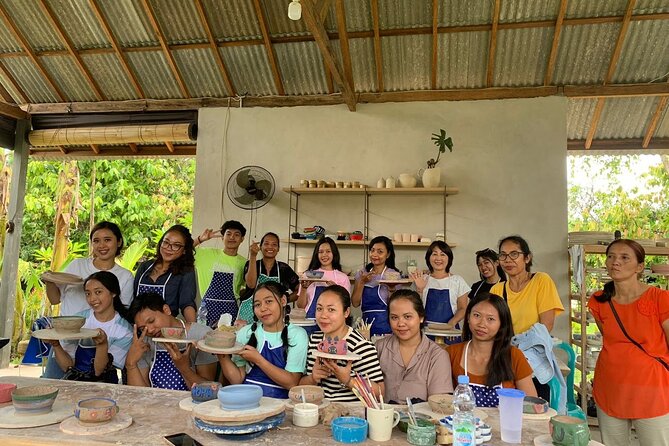
Hand-building is likely to be the more forgiving part of the session. You form the clay with your hands rather than relying on a spinning wheel. This can include shaping and adding personal details, although the exact projects are not fixed in the information provided.
For you, the benefit is control. If the wall of a pot becomes uneven, you can adjust it directly. If you prefer a more sculptural object, hand-building gives you room to make a shape that does not need to be perfectly round.
I like this part for families and mixed-experience groups. A person who feels nervous about the wheel can still create something attractive by hand. Someone with past pottery experience can focus on form and decoration rather than repeating only a basic exercise.
The main limitation is that the final result depends on how carefully you work. The class can teach technique, but it cannot guarantee a professional finish in three hours. Think of your piece as a personal object made during a Bali holiday, not as studio-quality pottery.
Same island, a completely different day out:
- ️ Bali Instagram Tour: The Most Famous Spots (Private & All-Inclusive)
★ 5.0 · 2,857 reviews - Nusa Penida Snorkeling Adventure (Private & All-Inclusive)
★ 5.0 · 1,197 reviews - Nusa Penida One Day Trip with All-inclusive
★ 4.5 · 743 reviews - Bali Instagram Tour – Lempuyang Bali Gate of Heaven
★ 5.0 · 149 reviews
Trying the pottery wheel
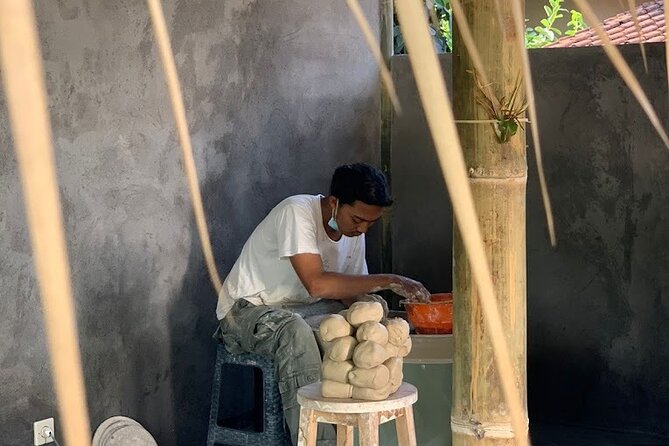
Wheel throwing adds a different challenge. You place clay on a rotating wheel and work to center it before opening and raising the walls. The process looks simple when an experienced potter does it. In practice, your hands need to apply steady pressure while the clay spins beneath them.
This is the part where close guidance matters. The maximum group size of 10 is encouraging, since the instructors can move around the room and help correct basic problems. Still, the amount of individual attention will depend on how many people attend and how much help each person needs.
You may make a small bowl or vessel, but the exact finished shape is not promised. The goal is to learn the technique and enjoy the attempt. If your first wheel piece slumps, that does not mean the class has gone badly. Wheel throwing takes practice, and this session gives you a first look at the process.
The class lets you compare the two methods clearly. Hand-building feels slower and more deliberate. The wheel is more active and can produce smooth, balanced forms, but it demands better coordination. Trying both makes the lesson more educational than a workshop built around only one technique.
Creating two pieces with your own style
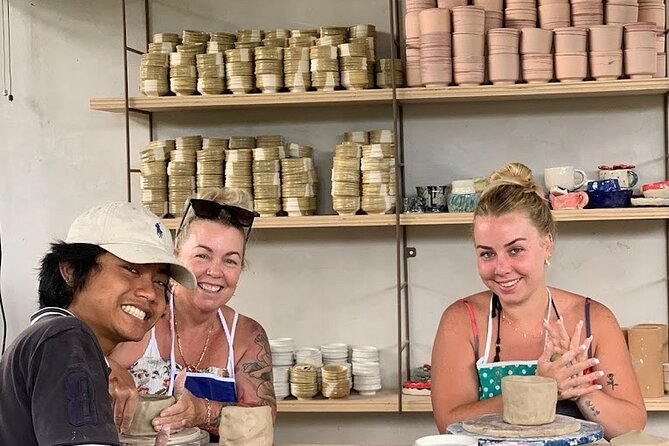
The available details indicate that you can make two pieces, one by hand and one on the wheel. This is an important benefit because you leave with more than one attempt and can compare the results.
You can add personal touches as you shape the clay. The class description does not specify a fixed design, color palette, or set of decorations, so your choices may depend on the instructor and the projects offered that day. I would arrive with a simple idea, but stay flexible. Clay often changes your plan once you begin working.
A practical approach is to keep your first piece modest. A small, well-shaped object has a better chance of surviving the firing process than an ambitious form with thin walls and fragile details. Use the second piece to try something different. That way, the session becomes both a creative activity and a small experiment.
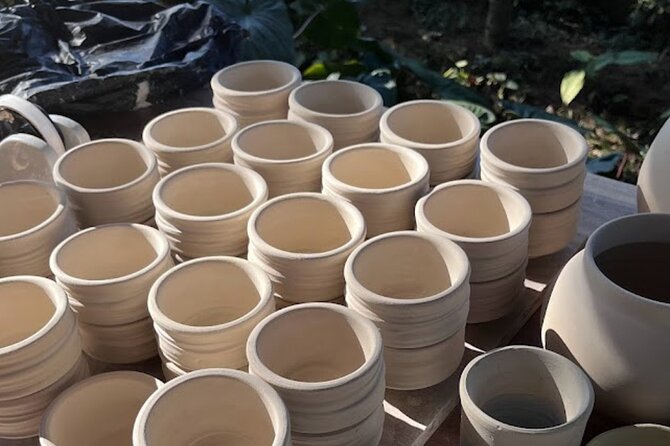
Do not judge the finished pottery too quickly. Clay changes during drying and firing, and the final color or texture may differ from what you see in the studio. The provided information does not state the firing method, glaze choices, or shipping arrangements, so ask the instructor what will happen to your work before you leave.
The four-day rule for taking pottery home
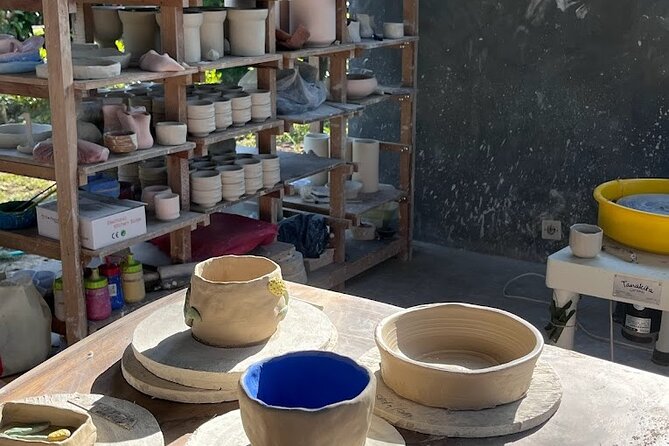
This is the most important practical note. If you want to take your work home, you need at least four days remaining after the class.
That time is needed for the pieces to be finished, presumably through drying and firing, although the exact process is not explained. A short Bali visit may not leave enough time. If you are flying out the next morning, enjoy the making session, but do not count on collecting the pottery.
I would book this near the start of your Bali stay if bringing home the finished pieces matters to you. The class itself lasts about three hours, but the finished work requires additional time. Ask at the studio how and when collection works, since the supplied details confirm the four-day requirement but do not spell out delivery or pickup options.
This timing rule also makes the activity a poor fit for a last-day schedule. You can still participate for the experience, but you may need to leave the work behind if your departure comes too soon.
How the $31.31 price compares with the experience
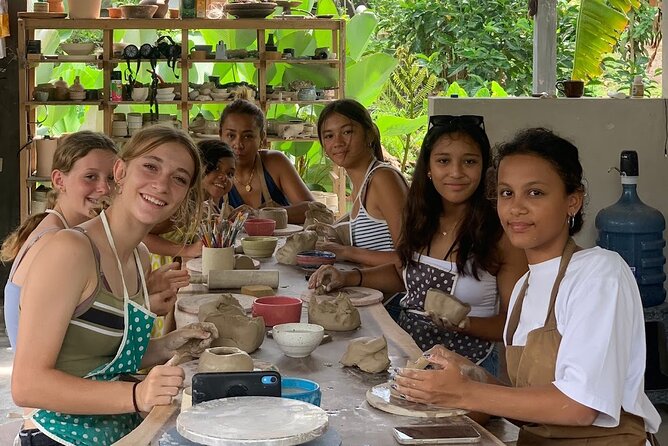
At $31.31 per person, the price is reasonable for a three-hour, instructor-led workshop with 2kg of clay included. You are getting a substantial block of time and access to two pottery methods, not a brief souvenir-making demonstration.
The value is strongest if you enjoy active cultural activities. You receive instruction, use the materials, and produce your own pieces. If you are mainly looking for a finished Balinese ceramic to pack in your suitcase, buying one may be simpler and less expensive than making one.
The small group limit also helps justify the cost. A maximum of 10 people is not a private lesson, but it is far more workable than a large workshop where you wait for help. The activity has received an overall rating of 4.7 from seven published ratings, which points to a strong general response, though the sample is small.
Personal expenses are not included. The main listed inclusions are the guided class and 2kg of clay. Because transport is not listed as an inclusion, plan your own way to the studio unless your separate Bali arrangements cover the journey.
Who should book this Singapadu workshop
I would recommend this class to you if you want an activity with a real hands-on element and do not mind making the trip outside central Ubud. It suits couples, friends, and families who want something more thoughtful than shopping or sightseeing.
It is also a good choice for beginners. You do not need prior pottery training, and the instruction starts with basic techniques. The class can work for people with some experience too, since you can test both hand-building and wheel throwing.
You may want to skip it if your Bali schedule is packed tightly or if you dislike messy, practical activities. The drive from central Ubud can take about 30 minutes or more, and the class requires patience. You also need four remaining days to take home your work.
The activity is capped at 10 people, but it is not described as private. If you need one-on-one teaching, confirm the arrangement before booking. For most people, the small maximum should offer a useful balance between shared energy and access to help.
Booking details worth checking
Confirmation is sent at the time of booking, and the ticket is mobile, so you can keep the booking on your phone. The experience begins and ends at Tana Ampo Pottery Studio.
Free cancellation is available if you cancel at least 24 hours before the local start time. Cancellations made inside that 24-hour window are not refunded, and changes during that period are not accepted.
I would check three things before paying: the route to Singapadu, the class start time, and what happens to finished pottery. Those details will determine whether this fits comfortably into your day and whether you can collect the work afterward.
Should you book the Ubud pottery class?
Book it if you want to make something with your hands, learn two basic ceramic methods, and spend three quieter hours in a garden studio with local instruction. The $31.31 price is fair for the clay, teaching, and time involved, especially with a group limit of 10.
Think twice if you are staying far from Singapadu, have fewer than four days left in Bali, or want a guaranteed polished souvenir. For a creative break near Ubud, though, this is a practical and personal choice. You leave with a better sense of how Balinese ceramics are made, and possibly two pieces that carry the marks of your own imperfect, memorable work.
FAQ
Where does the pottery class meet?
The class meets at Tana Ampo Pottery Studio, C793+8PH, Central Singapadu, Sukawati, Gianyar Regency, Bali 80582, Indonesia.
Is the studio in central Ubud?
No. The studio is in Singapadu, Sukawati. It can take about 30 minutes to reach from central Ubud, or longer depending on traffic.
How long does the pottery class last?
The activity lasts approximately three hours.
How much does the class cost?
The listed price is $31.31 per person.
How much clay is included?
Each participant receives 2kg of clay.
Can beginners take part?
Yes. Most people can participate, and the mentors teach the basic techniques from the beginning.
How many people can join the class?
The activity has a maximum group size of 10 people.
Can I take my pottery home?
Yes, but you need at least four remaining days after the class for the work to be completed. The available information does not specify the exact pickup or delivery process.
What is included in the price?
The price includes a guided pottery class and 2kg of clay. Personal expenses are not included.
What is the cancellation policy?
You can cancel at least 24 hours before the local start time for a full refund. Cancellations or changes made less than 24 hours before the start time are not accepted for a refund.
Just added around Nusa Dua
- Bali Water Sports Adventure★ 4.5 · 38 reviews
- Bali Parasailing – Banana Boat – Jet Ski★ 4.0 · 13 reviews
- Bali Best Of Ubud Tour Private and All Inclusive★ 5.0 · 48 reviews
- Parasailing Adventure watersport all include★ 3.5 · 6 reviews
- Bali Sea Walker Under Water Experience With Hotel Transfer★ 5.0 · 18 reviews
- Best of Bali Private Shore Excursions★ 4.0 · 7 reviews
- Bali Sea Walker★ 5.0 · 6 reviews
- Bali Traditional Dance, Waterfall and Hindu temple with lunch★ 5.0 · 17 reviews
Workshops, compared.


PRIVATE Authentic Balinese Cooking Class in Ubud at Putu’s Home
Read our review →

Learn to cook Indonesian food at Gili Cooking Classes Trawangan
Read our review →


Browse the lists this tour appears in