
Reviewed · TICKETS
Jakarta: Taman Mini Indonesia Cultural Park Entry Ticket
Taman Mini Indonesia Indah puts 26 Indonesian provinces in one large park, making it a useful first look at the country’s many regional cultures. You’ll see traditional buildings, cultural objects, gardens, museums, performances, and miniature landmarks without leaving Jakarta.
I like the electric-only park transport policy, which keeps the grounds calmer and cuts vehicle fumes. I also like the chance to compare Indonesian architecture and customs in one outing. The trade-off is scale: the basic ticket gets you inside, but many museums and attractions cost extra, and some parts may feel quiet or underused.
In This Review
- Key points to know
- Why Taman Mini works as a first look at Indonesia
- Entering a zero-emission cultural park
- The 26 provincial pavilions
- Museums that add context
- Traditional dance and music performances
- Gardens, miniature landmarks, and the cable car
- Food stops inside the park
- How much value do you get for $1.59?
- Timing, ticket exchange, and practical details
- Dress and atmosphere
- Who should book this experience?
- Should you book Taman Mini Indonesia Indah?
- FAQ
- What is included in the Taman Mini entry ticket?
- Are museums and workshops included?
- What are the park’s opening hours?
- What are the cable car operating hours?
- Is the park wheelchair accessible?
- What should I bring and wear?
Key points to know
- 26 provincial pavilions: Compare traditional architecture and cultural displays from across Indonesia.
- Electric shuttles inside the park: Bicycles and electric vehicles are allowed, with shuttles helping you cover the wide grounds.
- Optional cable car: Ride from any of three stations, with operating hours from 9 AM to 5 PM.
- Extra costs inside: Museums, workshops, attractions, and personal expenses are not included in the entry ticket.
- Traditional performances: Check what is running during your visit for dance and music linked to Indonesian culture.
- Early planning matters: The park closes at 8 PM, but you must exchange your e-voucher by 7 PM.
Why Taman Mini works as a first look at Indonesia
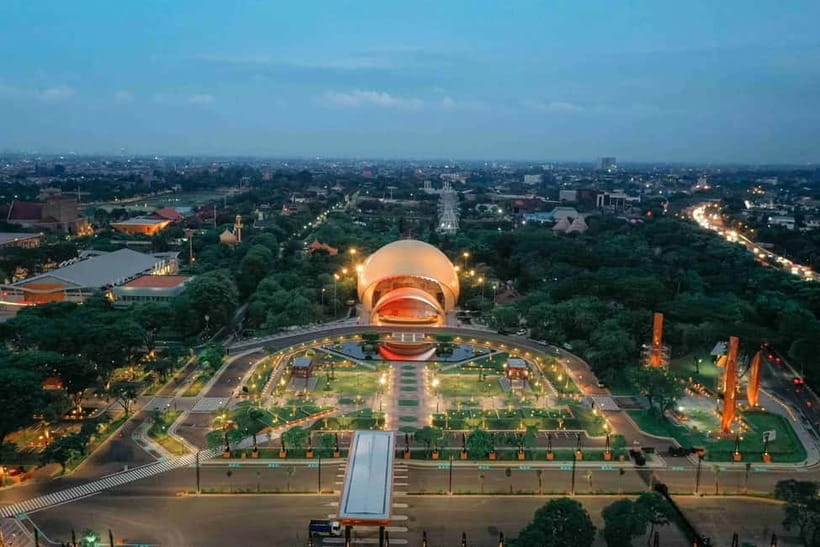
Taman Mini Indonesia Indah is designed as a compact portrait of the country. Indonesia stretches across thousands of islands, and its provinces have distinct buildings, clothing, crafts, music, food, and customs. Seeing every region in one trip is impossible for most visitors, so this park gives you a helpful introduction.
You will not get the same depth as visiting each province itself. You will, however, get a clear sense of the country’s variety. The provincial pavilions make that contrast visible: one building may have a steep, dramatic roof, while another uses a different layout and decorative style.
The park is especially useful early in a Jakarta stay. It can help you recognize regional references later, in museums, restaurants, shops, or other parts of Indonesia. I would think of it as a cultural sampler rather than a substitute for visiting Sumatra, Sulawesi, Bali, Papua, or the eastern islands.
The setting also gives the visit a more relaxed rhythm than a tightly packed museum day. You can move between buildings, gardens, exhibits, and food stops. The grounds are large enough that you should plan your route instead of wandering without a rough idea of what you want to see.
A few more Jakarta trips to weigh up
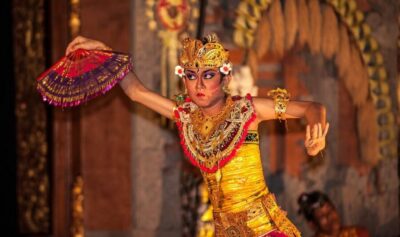
- Bali: Ubud Palace Legong Dance Show Ticket
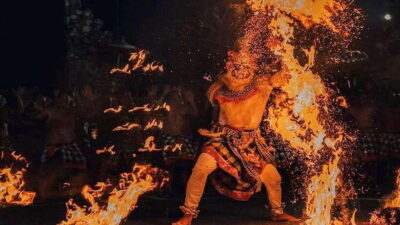
★ 4.4 · 3,979 reviews - Bali: Ubud Kecak and Fire Dance Show Tickets
★ 4.4 · 2,631 reviews - Waterbom Bali Tickets – Single Day Pass
★ 4.5 · 620 reviews
Entering a zero-emission cultural park
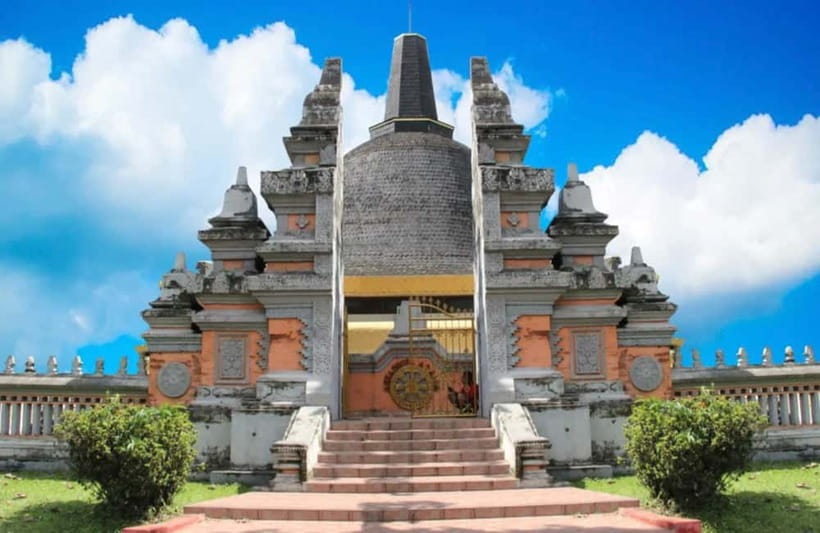
One unusual feature is the park’s effort to keep ordinary vehicles out. Only bicycles and electric vehicles can enter, supporting a zero-emission policy. That makes the setting more pleasant for walking and helps reduce the noise and fumes you might expect from a large attraction.
Electric shuttles are available to help you get around. This matters because Taman Mini is not a compact collection of buildings around one courtyard. You may need transport to connect the pavilions, museums, gardens, and other areas.
The shuttle arrangement is convenient, but do not assume it replaces all planning. The information provided does not specify a fixed shuttle timetable, route frequency, or whether every stop is served at all times. Ask on arrival where the next vehicle goes and how often it runs.
You can also use a bicycle if you prefer a slower, more active visit. Comfortable shoes are a must either way. Bring clothes that work in changing weather, since parts of your visit take place outdoors.
The park is wheelchair accessible. Even so, the grounds are broad, and the amount of walking or waiting for transport will depend on the areas you choose to visit.
The 26 provincial pavilions
The provincial pavilions are the heart of the experience. Each one represents a different part of Indonesia, using architecture and cultural displays to show local identity.
Pay attention to the buildings themselves before rushing inside. Roof shapes, carvings, raised structures, colors, and decorative details often tell you as much as the objects on display. The architecture gives you a quick visual lesson in how climate, local materials, custom, and regional taste shape Indonesian homes and public buildings.
Inside, you may find cultural artifacts and displays about local ways of life. The level of detail can vary, so keep your expectations realistic. These are presentation spaces within a large public park, not all-day specialist museums.
I would visit several pavilions rather than trying to inspect every item in one. Pick buildings with architecture that catches your eye, then compare them with another pavilion from a different part of the country. That simple side-by-side approach makes the park’s central idea much clearer.
One of the strongest features here is variety. A single cultural attraction can otherwise flatten Indonesia into a few familiar images. Taman Mini gives you a broader view and reminds you that Indonesian identity is regional as well as national.
Museums that add context

The park’s museums provide more explanation than the outdoor pavilions. The Museum of Indonesia is among the places to consider if you want background on national traditions, objects, and developments.
Museum entry is not included in the basic ticket. This is important when judging the low headline price. The $1.59 admission is excellent for access to the grounds, but your final cost will rise if you add several museums, workshops, rides, or other attractions.
I recommend choosing museum visits based on your interests instead of paying for everything automatically. Someone interested in national culture may find the Museum of Indonesia a priority. Someone with limited time may prefer the pavilions, gardens, and cable car, then save the museums for another day.
The word interactive is used for the museum exhibits, but the supplied details do not list particular displays or activities. You might find hands-on elements that make the material easier to follow, but you should not book this solely on the promise of a specific exhibit.
Allow extra time if you want to read carefully. The park covers a lot of ground, and a quick circuit of the outdoor buildings is a different experience from a thoughtful museum visit.
Same island, a completely different day out:
- Jakarta: Volcano, Tea/Rice Fields, Hot Spring, Local Food
★ 4.9 · 515 reviews - Active Volcano, Rice Field, Hot Spring, Fruit market, Tea Plantation with Lunch
★ 5.0 · 513 reviews - Private Full-Day Guided Tour: Explore Jakarta’s Top Highlights
★ 5.0 · 338 reviews - Jakarta Half-Day Guided Tour with a Private Fun Local Host
★ 5.0 · 292 reviews
Traditional dance and music performances
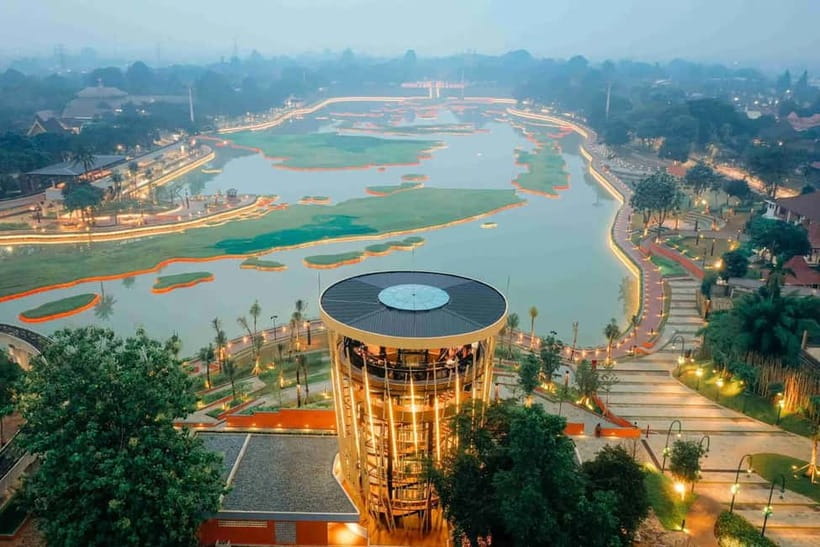
Live performances can give the park its strongest sense of occasion. Traditional dance and music show how culture works as something performed and shared, not only displayed behind glass.
The theater hosts these events, but the available information does not provide a daily performance schedule. Ask at the entrance or theater for that day’s timing. If a performance matters to you, make it one of the first things you check after exchanging your voucher.
Performances also help break up a long day of walking. You can spend time in the pavilions, sit for a show, then continue to the gardens or museums. The rhythm is more enjoyable than trying to hurry through every section.
Do not build your entire visit around a show time unless you have confirmed it. Scheduling can change, and the park’s attractions may not all operate at the same pace. Treat a performance as a valuable addition, not a guaranteed centerpiece.
Gardens, miniature landmarks, and the cable car
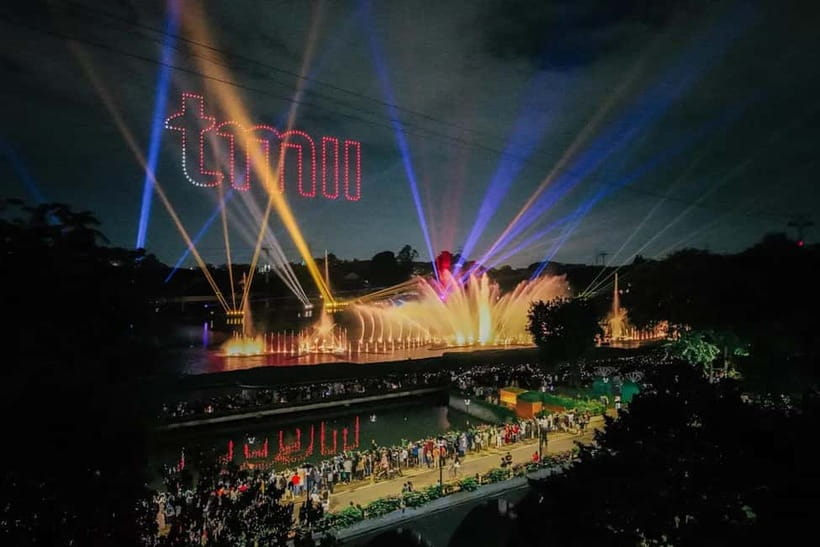
The gardens provide a quieter side of the park. They reflect different parts of Indonesia’s natural setting and offer space to slow down between cultural stops.
These planted areas are not just decoration. They help connect the buildings and exhibits to the country’s geography. Indonesia’s regional differences are shaped by islands, coastlines, forests, mountains, and climate, and the gardens give that idea a physical setting.
You will also find miniature models of important Indonesian landmarks. These models offer a broad geographic overview and can help you understand the range of places represented by the park. They are particularly useful if you have not yet traveled far beyond Jakarta.
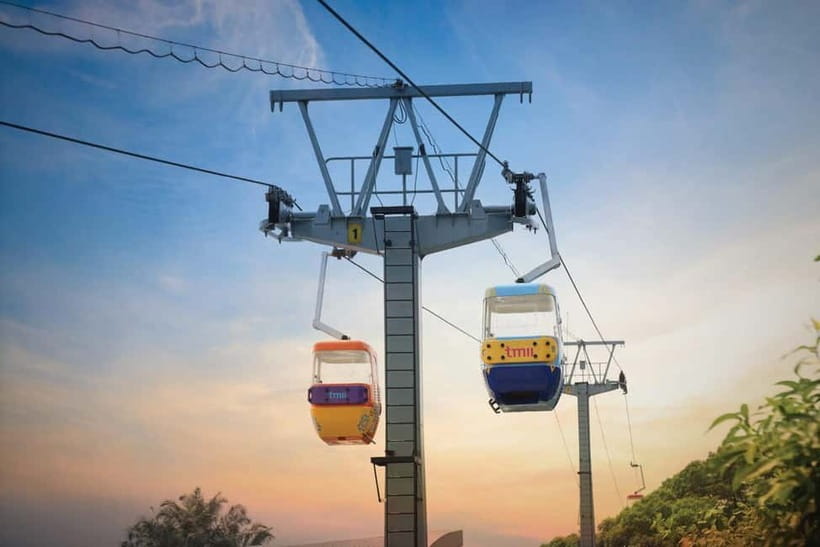
The optional cable car adds a useful view over the grounds. You can board at Station A beside Keong Mas and Sasana Kriya, Station B in front of the Papua Pavilion, or Station C near the Elevated Parking and North Plaza. You may ride from any of these stations.
Cable car hours are 9 AM to 5 PM, which is much shorter than the park’s 5 AM to 8 PM opening period. If you want the ride, arrive in time to exchange your ticket and reach a station well before the afternoon cutoff.
The cable car is included only if you select that option. It is not part of the standard entry ticket. That distinction is easy to miss when comparing prices, so check the option carefully before booking.
Food stops inside the park
Food is part of the cultural experience here. Eateries inside the park serve local dishes, including flavors built around spicy sambals and sweet treats.
The available information does not name specific restaurants or menus, so I would treat the food area as a convenient chance to eat rather than promise yourself one particular dish. You can use the meal break to sample something local and keep the day moving.
Outside food and drinks are not allowed inside the park. Plan to buy refreshments within the grounds. This adds a little cost and removes the option of carrying a picnic, but it also supports the park’s own dining facilities.
Personal expenses are not included. Set aside money for food, museum admission, workshops, extra attractions, parking, and any other purchases. Parking is available at the entrance, with fees charged separately.
How much value do you get for $1.59?
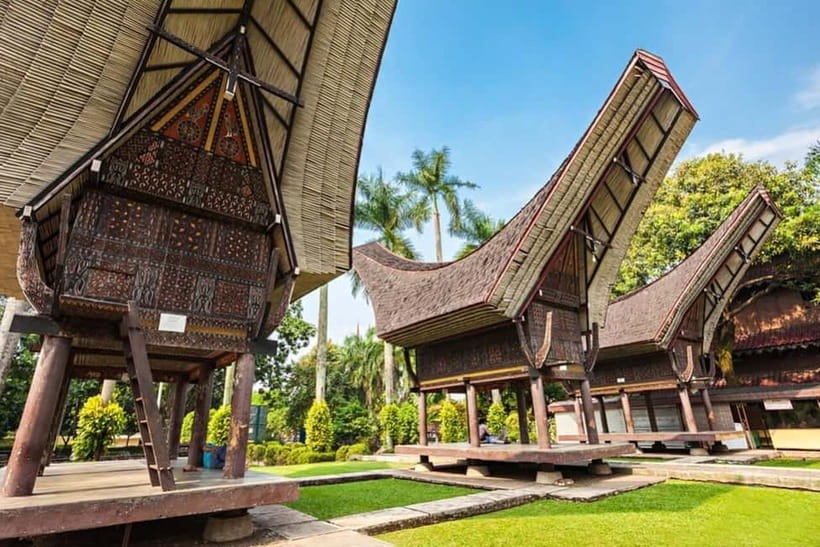
At $1.59 per person, the entry price is unusually low for the amount of space and variety included. You are paying for access to a major cultural park, not a guided tour with every attraction bundled into one fee.
That price makes sense for a flexible visit. You can enter, inspect the pavilions, walk through the gardens, view the miniature landmarks, and decide on additional attractions as you go. If you enjoy choosing your own pace, the low entry cost is a real advantage.
The value becomes less obvious if you expect every museum, workshop, ride, and performance to be included. Those extras cost more, and the cable car requires a specific ticket option. Before you go, decide if you want a simple park visit or a full attraction day.
I would budget the entry price separately from your activity budget. The base ticket is a good deal, but it is not the final cost of a museum-heavy visit.
Timing, ticket exchange, and practical details
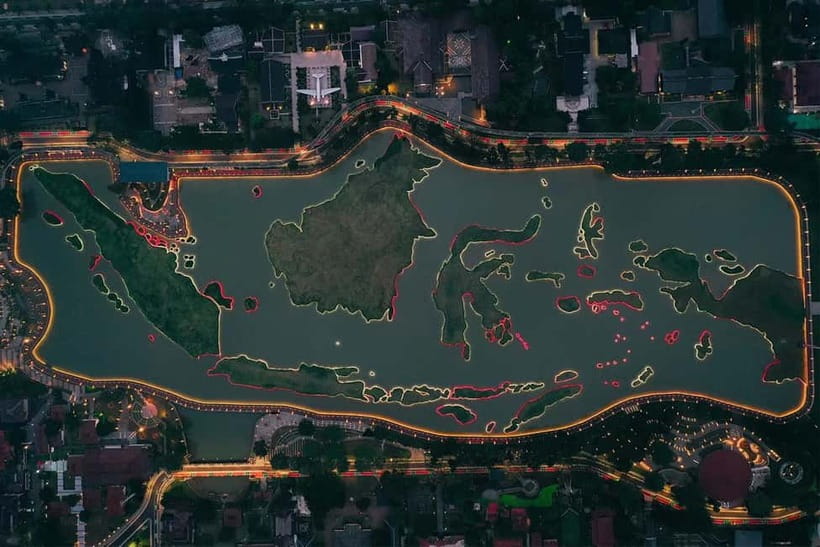
The park is open daily from 5 AM to 8 PM. You must exchange the e-voucher for a physical voucher before 7 PM, so do not arrive near closing and assume you can enter immediately.
Show the e-voucher at the ticket counter. Bring your passport or ID card, as identification may be required for the exchange.
A morning arrival gives you the most flexibility. You will have time for the pavilions, a museum or two, a performance if scheduled, food, gardens, and the cable car before its 5 PM closing time.
Late afternoon can still work for a short visit, especially if you mainly want the grounds and architecture. It is less suitable if you want museums and the cable car, since both require more time and operate on shorter schedules.
Weather can change, so wear comfortable clothing and footwear. The park is accessible, but outdoor paths and large distances make sensible shoes important. Photography is encouraged. Drone use is restricted unless you receive permission.
Weapons, sharp objects, alcohol, and drugs are not allowed. Follow safety directions around rides and water features, even though these are not included in the basic entry ticket.
Dress and atmosphere
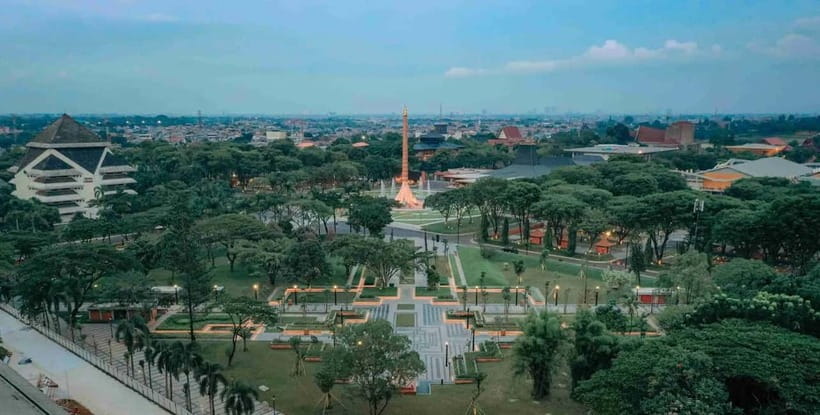
Indonesia is culturally diverse, and Taman Mini presents religious and regional traditions in one public space. Conservative clothing is the safest choice. It shows respect and can help you feel more comfortable around family groups and cultural displays.
One low-rated account described uncomfortable looks directed at non-Muslim visitors and advised covering up. That does not establish a universal experience, but it is useful practical advice: avoid beachwear and choose modest, comfortable clothes for the park.
The mood may also vary across the grounds. Some sections can feel quiet, and a few attractions may be closed or less active than expected. I would not treat the park as a nonstop entertainment complex. Its appeal comes from the mix of outdoor cultural displays, museums, gardens, and optional activities.
That quieter atmosphere may suit you if you like space and a flexible schedule. If you want every venue operating at full energy, check the day’s opening details before committing to a long visit.
Who should book this experience?
I would recommend Taman Mini to first-time visitors who want a broad introduction to Indonesia, families looking for a large open-air attraction, and culture-minded visitors who enjoy architecture and regional comparisons.
It is also a good choice for people on a budget. The low entry price lets you see a lot without committing to an expensive all-inclusive ticket.
You may like it less if you want a guided explanation at every stop. This is primarily a self-directed visit, and no guide name or guided itinerary is provided. You will need to read displays, ask questions, and decide how to use your time.
It may also disappoint you if you expect a polished attraction with every pavilion, museum, and show running continuously. Go with a flexible plan, and the park’s uneven pace becomes easier to accept.
Should you book Taman Mini Indonesia Indah?
Book it if you want a low-cost cultural overview of Indonesia and are happy to choose your own route. The provincial pavilions, gardens, miniature landmarks, and electric transport give you plenty to see before you pay for any extras.
Select the cable car option if the aerial view matters to you, and allow time for it before 5 PM. Check performance and museum hours on arrival, then build your day around what is actually open.
I would wear modest clothes, bring identification, use the electric shuttle to save energy, and keep extra money available for food and attractions. With those expectations, Taman Mini offers strong value and a useful introduction to the many regional cultures that make up Indonesia.
FAQ
What is included in the Taman Mini entry ticket?
The ticket includes entry to Taman Mini Indonesia Indah. The cable car is included only if you select the cable car option.
Are museums and workshops included?
No. Entry to museums, attractions, and workshops inside the park is not included in the standard entry ticket.
What are the park’s opening hours?
The park is open daily from 5 AM to 8 PM. You must exchange the e-voucher for a physical voucher before 7 PM.
What are the cable car operating hours?
The cable car operates daily from 9 AM to 5 PM. You can board at Station A near Keong Mas and Sasana Kriya, Station B in front of the Papua Pavilion, or Station C near the Elevated Parking and North Plaza.
Is the park wheelchair accessible?
Yes, Taman Mini Indonesia Indah is wheelchair accessible.
What should I bring and wear?
Bring your passport or ID card, comfortable shoes, and comfortable clothing suitable for changing weather. Modest clothing is a sensible choice for visiting the cultural displays.
Just added around Jakarta
- The Secret Society of Batavia – Walking Tour★ 5.0 · 4 reviews
- Soekarno Hatta International Airport by Plaza Premium Lounge★ 4.0 · 46 reviews
- Volcano and Domas Crater of Hot Stony Bubble from Jakarta Lunch★ 5.0 · 23 reviews
- Jakarta Indonesian Culture in half Day★ 5.0 · 50 reviews
- Jakarta Scooter Lessons and Motorcycle Lessons★ 5.0 · 9 reviews
- Situ Gunung Waterfall & Suspension Bridge Sukabumi start Jakarta★ 4.5 · 13 reviews
- Private Tour: Half Day Jakarta Old City Tour★ 4.0 · 4 reviews
- Batik Heritage Introduction Class with Lunch & Souvenir★ 5.0 · 8 reviews
Tickets, compared.

Uluwatu Temple Entry and Kecak Fire Dance Ticket
Read our review →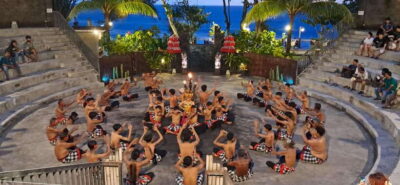
Tanah Lot Temple Sunset Kecak & Fire Dance Show Ticket
Read our review →

Skip the Line Tirta Empul Temple Entrance Ticket All Inclusive
Read our review →Browse the lists this tour appears in