
Reviewed · BALINESE COOKING CLASSES
Afternoon Cooking Class & Making Bali Offering with Dinner
The best part of this Ubud class is that you do more than watch a chef work. You make nine Balinese dishes, learn the spice paste behind many of them, and then sit down to eat the full meal at a local family home. You also make a canang, the small daily offering used in Balinese Hindu practice.
I like the small maximum group of 12, which gives the cooking lesson a personal feel. I also like the useful takeaway: a PDF with nine recipes, so the class can continue in your own kitchen. The main catch is timing. The afternoon session begins at 2pm and does not include the local market visit offered with the morning option.
In This Review
- Key points
- Cooking Nine Dishes in a Balinese Family Home
- A 2pm Start and a Cold Ginger Welcome
- Making a Canang Before Making Dinner
- The Spice Paste That Holds the Menu Together
- Preparing Nine Balinese Recipes
- Dinner at the House, Not Just a Sample Plate
- The Missing Market Visit in the Afternoon
- What the $46 Price Buys You
- Getting There and Managing the Afternoon
- Who Will Enjoy This Class Most
- Booking Details Worth Checking Before You Pay
- Should You Book the Afternoon Class?
- FAQ
- What time does the afternoon cooking class start?
- Where does the activity begin?
- Is hotel pickup included?
- Does the afternoon class visit a local market?
- How many dishes will I cook?
- Is dinner included?
- What else is included besides cooking?
- What is the cancellation policy?
Key points
- Nine recipes in one class: Prepare a broad selection of Balinese food, then eat it as one large dinner.
- Canang offering activity: Make a traditional Balinese offering before cooking begins.
- Family-home setting: Cook with a local Balinese family rather than in a large commercial kitchen.
- Afternoon schedule: Start at 2pm, with a cold ginger tea welcome and dinner at the end.
- Central Ubud pickup: Free hotel pickup is offered in Ubud center only. Extra charges apply outside the area if arranged in advance.
- Market visit limitation: The afternoon class does not include shopping at the local market.
Cooking Nine Dishes in a Balinese Family Home
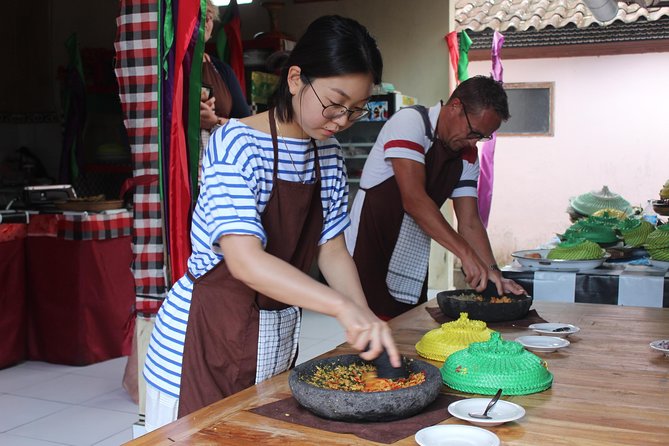
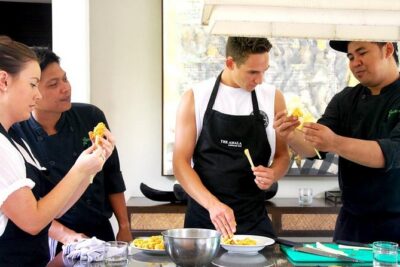
This class is built around participation. You are not simply handed a plate and told what you are eating. You help prepare the meal, work through the ingredients, and taste the food along the way before sitting down for dinner.
The setting matters. Cooking takes place with a Balinese local family, giving the class a more domestic feel than a hotel kitchen or a large cooking school. The host is Wayan Aris, and the chef leads the group through each recipe while keeping the pace moving.
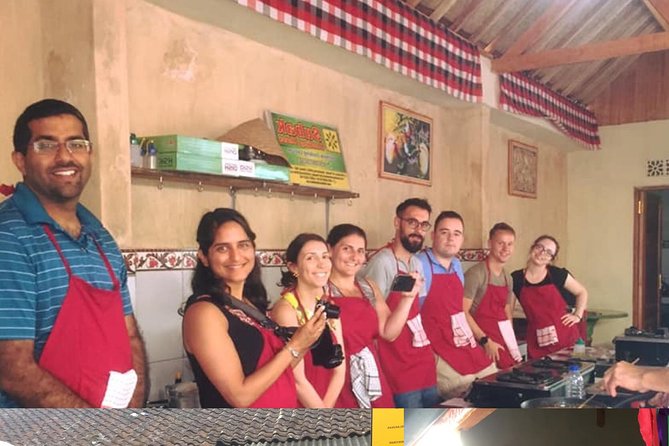
The group can reach 12 people, though some sessions are smaller. That makes a difference when you need to see a cutting technique, ask about an ingredient, or get help with a dish. A small class also gives you a chance to share the meal with people from different countries without feeling lost in a crowd.
You should expect a lively afternoon rather than a slow, private lesson. Nine dishes is a lot to cover in roughly four to five hours, so some preparation is done before you begin. Meat may be precooked, and vegetables may already be cut. That keeps the class manageable, but it also means you will not handle every single step from raw ingredient to finished dish.
More Balinese Cooking Classes in Ubud
- Ubud Cooking Class Bali with Balinese Chef
★ 5.0 · 1,609 reviews - PRIVATE Authentic Balinese Cooking Class in Ubud at Putu’s Home
★ 5.0 · 644 reviews - Balinese Farm Cooking Class by Pemulan Bali
★ 5.0 · 410 reviews
A 2pm Start and a Cold Ginger Welcome
The activity starts at 2pm. If you arrange pickup, the free service covers hotels in central Ubud. You can also meet at Ubud Palace, on Jalan Raya Ubud, a useful central point near public transport.
The class opens with cold ginger tea. It is a simple touch, but a welcome one after getting around Ubud in the afternoon. The drink also gives the host a natural way to introduce local flavors before the more hands-on work starts.
The total experience lasts about five hours, although one description of the cooking itself puts it closer to four hours. Plan your afternoon around the full block of time, not just the cooking portion. You should be ready to eat dinner at the family home and return to the meeting point afterward.
If you are staying outside Ubud, do not assume pickup is included. You need to request transportation in advance, and an additional charge may apply. Without that request, pickup outside Ubud is not arranged. Bring cash for any agreed transport supplement or other purchases.
Making a Canang Before Making Dinner
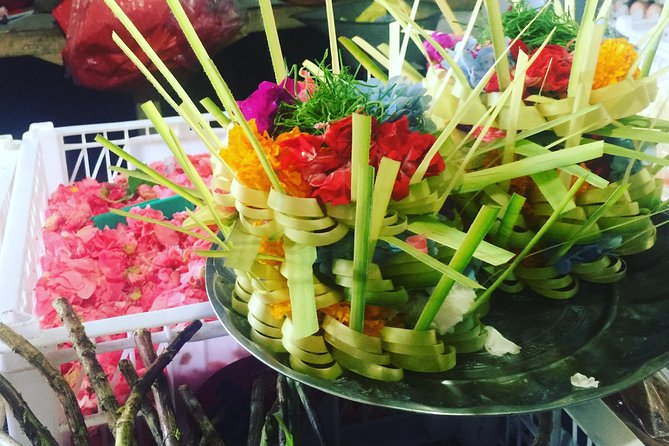
One of the more distinctive parts of the class comes before the food. You make a canang, a small Balinese offering used in everyday Hindu practice.
This activity gives you a little cultural context without turning the class into a lecture. The canang is part of ordinary Balinese life, often placed at homes, shops, temples, and other daily spaces. Making one by hand helps you understand that Balinese culture is not limited to temple ceremonies or formal performances.
The details of the materials and construction are not specified in the tour information, so you should expect a guided craft activity rather than a long cultural workshop. Still, it adds something important to the afternoon. You are learning about the place through a household tradition, then moving directly into the food that families prepare and eat.
For many people, this will be more memorable than another standard cooking demonstration. It also makes the class a good choice if you want food and culture together, not just a list of recipes.
The Spice Paste That Holds the Menu Together
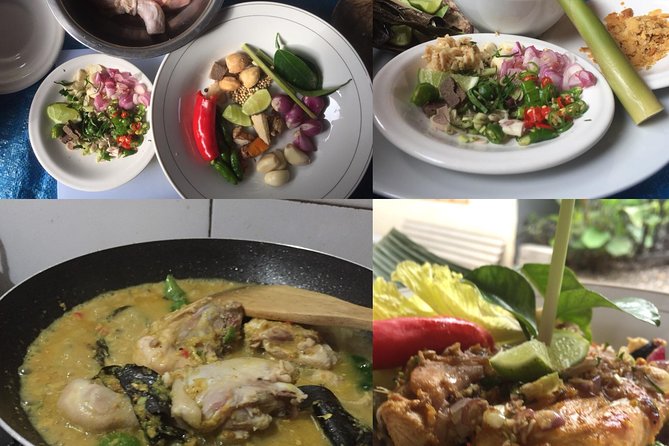
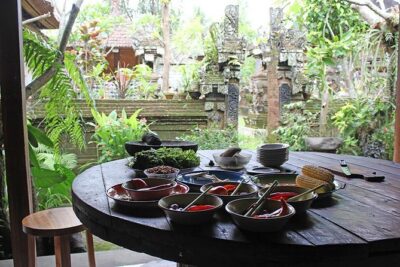
Next comes the most useful cooking lesson: Balinese spice paste. This paste forms the base or sauce for many local dishes, and learning it gives you a way to understand why Balinese food tastes so layered.
The class introduces the ingredients before you prepare the paste. You then use that foundation in the recipes that follow. This is the point where the lesson shifts from simply following instructions to seeing how several dishes connect.
I like this approach because it gives the meal a clear center. Nine separate recipes can otherwise feel like a random parade of food. The spice paste shows you the common thread, and the recipe PDF gives you a chance to recreate it later.
You taste the food as you go, not only at the final meal. That lets you notice how the flavor develops through the cooking process. It also gives the chef a chance to correct seasoning or explain what each preparation is meant to do.
Same island, a completely different day out:
- All-Inclusive Ubud Private Tour
★ 5.0 · 14,344 reviews - Best of Ubud Full-Day Tour with Jungle Swing
★ 5.0 · 8,571 reviews - Ubud: Monkey Forest, Jungle Swing, Rice Terrace, and Water Temple
★ 5.0 · 7,160 reviews - Best of Ubud 1-Day Private Tour
★ 5.0 · 4,451 reviews
Preparing Nine Balinese Recipes
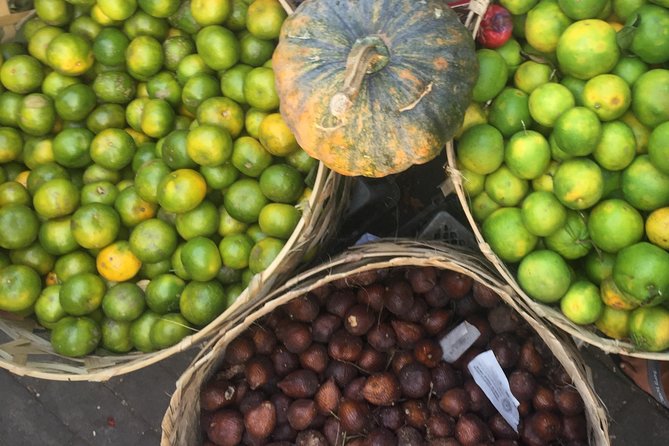
The main session covers nine Balinese dishes. The exact menu is not provided in the available details, so you should not book expecting a specific named dish unless you confirm it directly with Wayan Aris before the class.
What is clear is the format. You work through the recipes one by one, using the spice paste and other ingredients introduced earlier. Some ingredients are prepared ahead of time, which helps the group finish all nine dishes during the afternoon.
That preparation has both an advantage and a drawback. You get a wider menu and a smoother class, but you may have fewer chances to practice basic chopping or meat preparation. If your priority is to learn every kitchen step from scratch, ask how much preparation is completed before arrival.
If your priority is variety, the format works well. You get to taste several dishes, compare textures and flavors, and see how one family-style meal comes together. It is also easier to remember a class that includes nine recipes than one focused on a single dish.
The chef keeps everyone moving, which is useful here. With nine recipes and a group of up to 12, a completely open-ended format could drag. The class appears designed to keep the cooking active while staff handle much of the cleanup in the background.
Dinner at the House, Not Just a Sample Plate
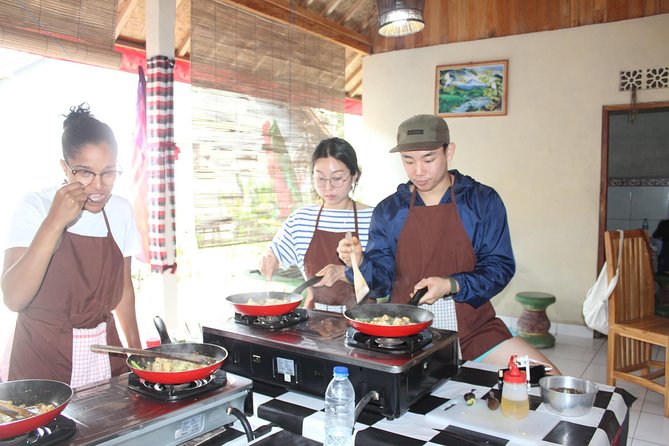
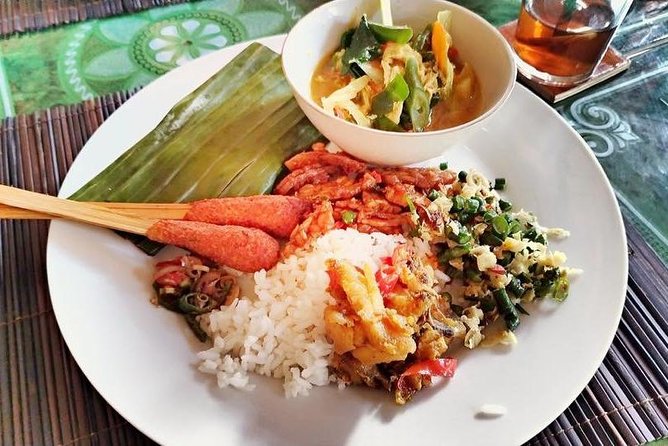
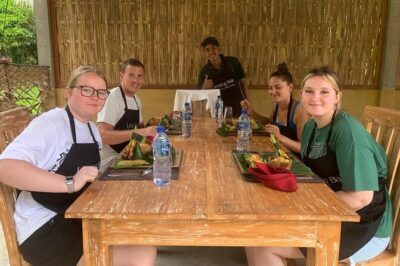
After the cooking, you sit down at the Balinese house and eat the meal you helped prepare. This is more than a small tasting. The meal is described as a large dinner, and you can sample the dishes as they are completed along the way.
That final meal is where the class earns much of its value. You see the ingredients at the beginning, work with them during the session, and then eat the finished dishes together. The process gives dinner a stronger sense of place than a restaurant meal ordered from a menu.
You may also have the chance to take food home. This is not guaranteed as a formal part of the program, but the available experience details indicate that bringing leftovers back has been possible. If you hope to do this, ask the host on the day rather than counting on it.
The social side is part of the appeal. You share stories with people from different countries while eating a meal everyone has helped prepare. I would choose this class over a more polished culinary studio if I wanted conversation and a family setting.
The Missing Market Visit in the Afternoon
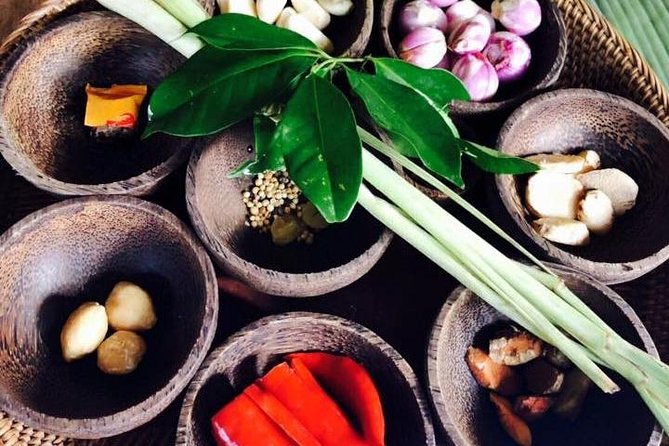
The market visit needs careful attention because the timing changes what you receive. The general experience includes shopping for ingredients at a local market, but the afternoon class specifically does not include the market stop.
That means the 2pm version begins with the family, the welcome drink, and the canang activity rather than a shopping trip. You will still learn about the ingredients used in the food, but you will not walk through the market to buy them.
This is not a flaw for everyone. The afternoon option suits you if your morning is already full, if you prefer a later start, or if you mainly want the cooking and dinner. You also avoid spending part of the session moving between the market and the cooking location.
If market shopping is one of your main reasons for booking, choose the morning class instead or confirm the schedule before paying. The distinction is important, especially because the market visit is one of the headline features associated with the wider experience.
What the $46 Price Buys You
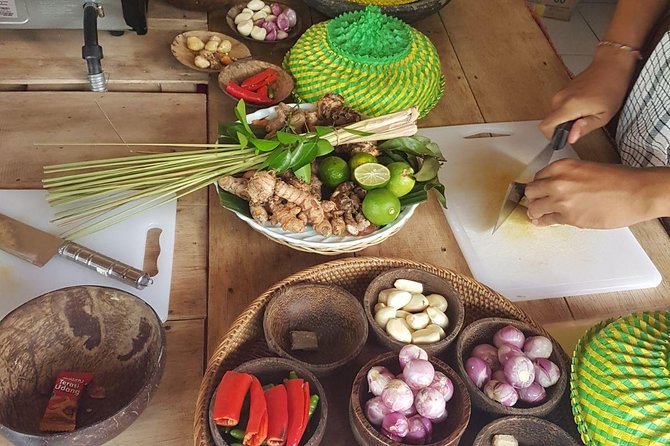
At $46, the class includes a roughly five-hour food and cultural activity, dinner, a local host, the cooking lesson, mineral water, bottled water, the canang activity, and free pickup in central Ubud. You also receive the nine-recipe PDF, which adds value after your Bali trip.
The price makes the most sense if you use the full program. You are not paying only for one plate of food. You are paying for instruction, ingredients, a prepared dinner, time with a local family, and transport from central Ubud.
The recipe PDF is particularly useful. Many cooking classes are enjoyable but hard to repeat because you leave without measurements or a clear method. Here, you have a written starting point for all nine dishes. The details of the PDF format and measurements are not specified, but the recipe set is included.
Value depends on what you want from a cooking class. If you want a formal chef-led lesson with every ingredient measured in front of you, this may feel less exact because some preparation is done ahead. If you want a generous meal, a cultural activity, and several recipes in one afternoon, the price is reasonable.
Getting There and Managing the Afternoon
The official meeting point is Ubud Palace, F7V7+72R, Jalan Raya Ubud No. 8, Ubud, Gianyar, Bali 80571. The activity ends back at the meeting point, making it easier to plan an evening afterward.
Hotel pickup is offered in the Ubud center area. Because Ubud traffic can be slow, confirm the pickup details and allow enough time to be ready. The available information does not give a precise pickup window, so you should check the confirmation rather than assume the driver will arrive at a particular minute.
Outside central Ubud, pickup costs extra and must be requested. This is one of the few avoidable booking problems. If you stay in an outlying village or resort, write to the provider before booking or immediately afterward and get the added cost confirmed.
The activity is near public transportation, but the exact onward transport options are not specified. If you are meeting at Ubud Palace, use the stated meeting point rather than relying only on your hotel pickup arrangements.
Who Will Enjoy This Class Most
I would recommend this class to you if food is one of your main ways of understanding a place. You get to handle local ingredients, prepare a traditional offering, cook several dishes, and eat in a family setting.
It also suits couples and small groups. The format is social, and the maximum group size of 12 keeps it from feeling like a large tour bus activity. Solo visitors can also fit in well because the final dinner naturally creates conversation.
Families may enjoy the hands-on format, but the available details do not specify age limits or child pricing. Ask before booking if you are traveling with young children.
The class is less suitable if you need a fully private lesson, want to visit a market in the afternoon, or expect every ingredient to be prepared from the beginning in front of you. It is also not the right pick if you need a quick activity. Five hours is a substantial part of your day.
Booking Details Worth Checking Before You Pay
Confirmation normally arrives at booking, unless you book within two days of the activity. In that case, confirmation can take up to 48 hours and remains subject to availability. I would avoid making tight evening plans until the class is confirmed.
Free cancellation is available if you cancel at least 24 hours before the 2pm start time. Inside that window, the payment is not refunded, and changes are not accepted. The cutoff uses local Bali time.
The experience has a 4.9 rating from 38 reviews and a 97 percent recommendation rate. The most consistent strengths are the friendly chef, smooth organization, tasty food, small-group feel, and the chance to cook nine dishes rather than watch a demonstration.
Should You Book the Afternoon Class?
Book it if you want a practical Balinese cooking lesson with a family, a large dinner, and a cultural activity that goes beyond food. The canang offering and spice paste lesson give the afternoon more substance, while the recipe PDF lets you use what you learned later.
Choose the morning version instead if the local market is essential. For the afternoon class, think of the trade as simple: you lose the market visit, but you gain a later start and still receive the cooking, offering, dinner, and recipes.
At $46, this is a good fit for someone who values participation and a full meal over a polished culinary performance. Confirm pickup if you are outside central Ubud, ask about the exact menu if that matters to you, and allow the whole afternoon. If those conditions suit your plans, I would book it.
FAQ
What time does the afternoon cooking class start?
The class starts at 2:00 pm.
Where does the activity begin?
The meeting point is Ubud Palace at F7V7+72R, Jalan Raya Ubud No. 8, Ubud, Bali.
Is hotel pickup included?
Free pickup is included for hotels in central Ubud. Pickup outside Ubud may be available for an additional charge if requested in advance.
Does the afternoon class visit a local market?
No. The afternoon class does not include the market visit. The market stop is associated with the morning option.
How many dishes will I cook?
You will make nine Balinese recipes, with the food prepared by hand during the class.
Is dinner included?
Yes. Dinner is included, and you eat the food prepared during the class at the Balinese family home.
What else is included besides cooking?
The experience includes a local host, a canang offering activity, mineral water, bottled water, and a PDF containing nine Balinese recipes.
What is the cancellation policy?
You can cancel at least 24 hours before the start time for a full refund. Cancellations or changes made within 24 hours are not accepted and are not refunded.
More Dinner Experiences in Ubud
- Uluwatu Sunset, Kecak Dance, and Dinner Jimbaran Beach
★ 5.0 · 3,681 reviews - Bali Hai Sunset Dinner Cruise
★ 5.0 · 1,173 reviews - Uluwatu Sunset Tour: Kecak and Fire Dance with Jimbaran Dinner
★ 4.5 · 597 reviews - Canggu: Drag Show with Dinner
★ 5.0 · 414 reviews
More Cooking Classes in Ubud
- Balinese Ubud cooking school (9 Dish Cooking and Market Tour)
★ 5.0 · 540 reviews - Balinese Authentic Cooking Class in Ubud
★ 5.0 · 239 reviews - PRIVATE Balinese Cooking Class in Ubud with Dewa with Transfers
★ 5.0 · 213 reviews - Balinese Cooking class with traditional morning market visit
★ 5.0 · 161 reviews
Just added around Ubud
- Bali Airport Pick-up to Ubud (Arrival Transfer)★ 5.0 · 4 reviews
- Bali Airport: One-Way Private Transfer To/From Hotel★ 5.0 · 25 reviews
- Munduk Car Hire with English Speaking Driver★ 5.0 · 14 reviews
- Bali Airport – Arrival Transfer★ 5.0 · 5 reviews
- Bali ATV Quad Bike and White Water Rafting – All Inclusive★ 5.0 · 7 reviews
- Bali ATV Ride Ubud Jungle Track★ 4.5 · 5 reviews
- Combo Bali ATV Ride with Ayung River Rafting All Inclusive★ 4.5 · 12 reviews
- Bali All Inclusive : Tlaga Singha Infinity Pool & Atv Adventure★ 5.0 · 21 reviews
Balinese Cooking Classes, compared.
PRIVATE Authentic Balinese Cooking Class in Ubud at Putu’s Home
Read our review →
PRIVATE Balinese Cooking Class in Ubud with Dewa with Transfers
Read our review →Browse the lists this tour appears in