
Reviewed · COOKING CLASSES
Balinese Ubud cooking school (9 Dish Cooking and Market Tour)
Ubud’s Subak cooking class is built around one excellent idea: instead of making two or three token dishes, you prepare nine Balinese recipes and eat them together at the end. The morning option adds a local market, rice-field visit, and a closer look at everyday food in Bali.
I like the generous menu and the friendly teaching style associated with instructors such as Yogi, Putu, and Gus. I also like that you get real hands-on work at your own cooking station, plus recipes to use at home. The main caution is transport: pickup is limited to Ubud, and the cooking school may require a drive of about 50 minutes from central Ubud.
In This Review
- Key Points
- Why Nine Dishes Makes This Class Different
- Meeting at Ubud Palace and Getting Out of Town
- The Morning Market: Fruit, Sweets, and Balinese Shopping
- Rice Paddies and a Glimpse of Rural Bali
- Cooking in a Balinese Home Setting
- The Flavors You Learn to Build
- Sitting Down to Eat What You Made
- Is the $58 Price Good Value?
- Who Should Book This Cooking Class?
- Practical Details Before You Go
- Should You Book It?
- FAQ
- How long does the Balinese cooking class last?
- Where does the tour begin and end?
- Is pickup included?
- Is the market visit available for every session?
- Can I choose vegetarian food?
- What is included in the price?
Key Points
- Nine dishes in one class: Prepare a full Balinese meal, from base gede spice paste to klepon dessert.
- Morning market visit: Taste local fruit, sweets, vegetables, and spices while learning how Balinese people shop.
- Choice of menus: Select the regular menu with chicken or the vegetarian version with tofu and tempeh.
- Rice-field stop: The morning outing includes a visit to rice paddies, with views that may include a volcano.
- Small maximum group: The class accepts up to 14 people, with each participant cooking at a station.
- Generous final meal: Eat the food you prepare, and you may be able to pack leftovers for later.
Why Nine Dishes Makes This Class Different
Many cooking classes give you a taste of local food without showing how a Balinese meal fits together. This one takes a broader approach. You work through soup, sauces, vegetables, satay, banana-leaf cooking, sambal, and dessert.
The nine recipes on the regular menu are Balinese vegetable soup, chicken with coconut milk and Balinese spices, sweet fried tempeh, Balinese chicken satay, chicken steamed or grilled in banana leaf, lawar, sambal matah, base gede, and klepon cake. White rice is served with the main dishes.
The vegetarian menu changes the meat dishes to tofu with Balinese sauce, tempeh satay with peanut sauce, and tofu cooked in banana leaf. The soup, sweet tempeh, lawar, sambal matah, base gede, klepon, and rice remain part of the meal.
I like this setup because it teaches you more than a signature dish. You see how a basic spice paste can support several recipes, how coconut and chilies are used, and how fresh herbs and vegetables balance heavier food. The menu is also substantial enough to function as lunch or dinner, not just a sample plate.
The class is a good fit if you want to recreate some of what you eat in Bali. You receive copies of the recipes, and the cooking follows a step-by-step format. Still, keep your expectations realistic. Some ingredients and kitchen equipment may be different from what you have at home, and the class is designed to teach a large menu in a limited time.
A few more Ubud trips to weigh up
- Ubud Cooking Class Bali with Balinese Chef
★ 5.0 · 1,609 reviews - PRIVATE Authentic Balinese Cooking Class in Ubud at Putu’s Home
★ 5.0 · 644 reviews - Balinese Farm Cooking Class by Pemulan Bali
★ 5.0 · 410 reviews
Meeting at Ubud Palace and Getting Out of Town
The stated meeting point is Ubud Palace on Jalan Raya Ubud. Pickup and drop-off are included within the Ubud area, but if you stay elsewhere, extra transport charges apply. Arrange this in advance rather than assuming a hotel pickup will happen automatically.
The drive deserves attention when planning your day. The class lasts about five hours, but that time does not necessarily include a long transfer from the center of Ubud to the cooking school. One account describes a drive of roughly 50 minutes after meeting in Ubud, while another describes a trip north of the city to a local market and village setting.
That longer ride is not automatically a problem. It takes you away from the center and toward a more local part of Bali, which is part of the appeal. But it can make the day feel much longer than a simple cooking lesson near Ubud Palace.
If you are prone to motion sickness, plan accordingly. If you are staying in Nusa Dua or another area outside Ubud, confirm the extra fee and pickup arrangement before booking. One account also raised a concern about a driver and an added toll charge, so it is sensible to clarify transport costs and tolls ahead of time.
The Morning Market: Fruit, Sweets, and Balinese Shopping
Choose the morning session if the market matters to you. The traditional market visit is offered only in the morning, and it is one of the most useful parts of the experience for anyone curious about Balinese food beyond restaurant menus.
Your local guide introduces fruits, vegetables, spices, cakes, and other ingredients used in the kitchen. You may have a chance to taste unfamiliar fruit and local sweets. The visit also gives you a look at how people buy and sell food, rather than simply presenting ingredients in a classroom.
One particularly interesting detail is the sight of flower temple offerings being assembled. These small offerings connect food, farming, household life, and religion in a way that a standard kitchen lesson cannot easily show.
The market is not a polished food hall. Expect a working local market, with the practical sights and sounds that come with it. That is the point, but visitors who prefer a tidy, carefully staged outing may find it a little rough around the edges.
A guide such as Wayan is useful here because the value comes from explanation. Ask about unfamiliar fruit, the use of spices, local sweets, and how ingredients move from farm or market to the family kitchen. The strongest parts of the outing come from these small conversations, not from rushing through a list of stalls.
Rice Paddies and a Glimpse of Rural Bali
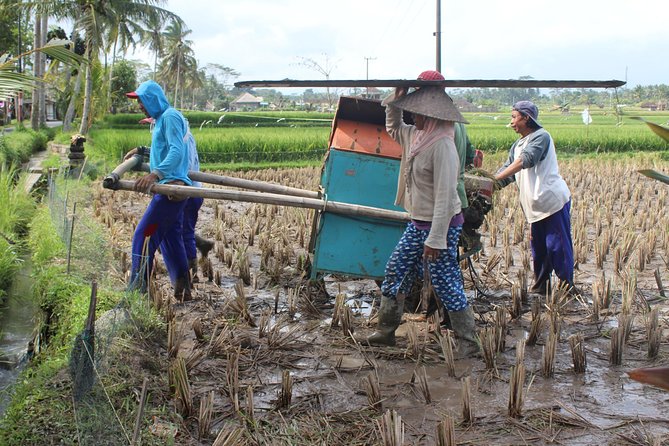
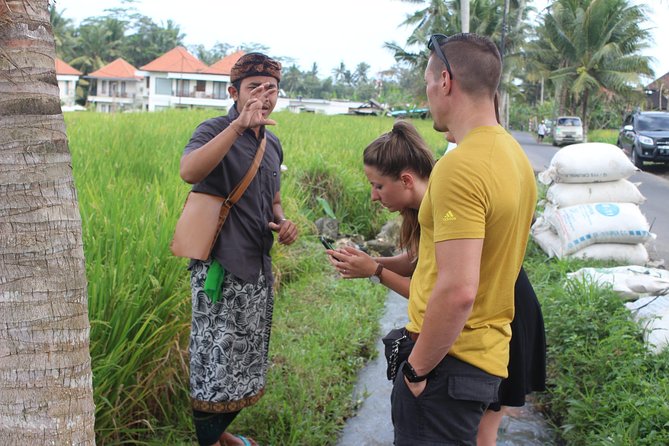
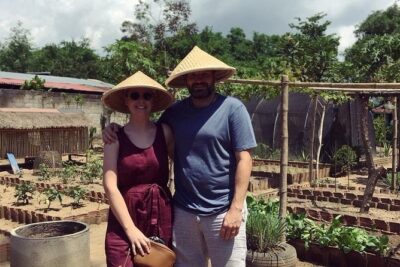
The morning option also includes a rice-field visit. This stop helps connect the cooking class to the food system that supports Bali. You learn about rice growing, the different kinds of rice found in Bali, and the length of the harvest cycle.
The rice paddies also provide a scenic pause before the kitchen work begins. One account describes a fine view toward a volcano, though the exact view depends on conditions and location. Bring a camera, as requested, but remember that this is a short cultural stop rather than a hiking excursion.
The afternoon program does not include the traditional market visit or rice paddies. Instead, it includes making a Balinese offering. That choice gives you two different versions of the experience: the morning class leans toward markets and farming, while the afternoon class adds a craft tied to Balinese daily life.
If food sourcing and village scenery are high on your list, pick morning. If you prefer a later start or like the idea of making an offering, the afternoon class may suit you better.
Same island, a completely different day out:
- All-Inclusive Ubud Private Tour
★ 5.0 · 14,344 reviews - Best of Ubud Full-Day Tour with Jungle Swing
★ 5.0 · 8,571 reviews - Ubud: Monkey Forest, Jungle Swing, Rice Terrace, and Water Temple
★ 5.0 · 7,160 reviews - Best of Ubud 1-Day Private Tour
★ 5.0 · 4,451 reviews
Cooking in a Balinese Home Setting
After the outdoor visits, you reach the cooking school, described as being set up in a Balinese home. That setting gives the class a more personal feel than a large commercial kitchen.
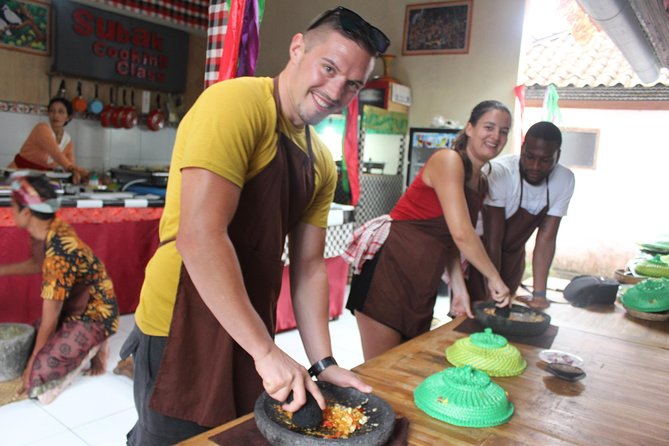
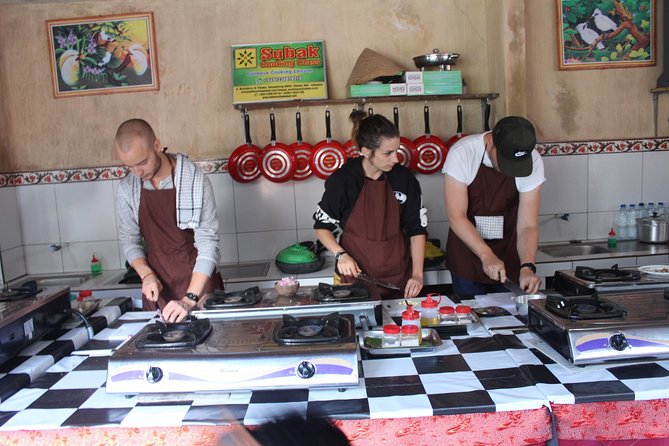
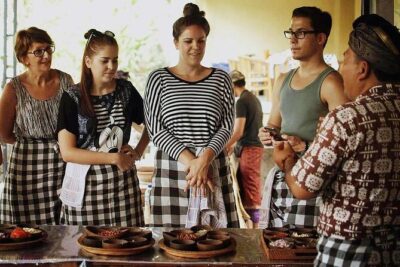
The group can reach a maximum of 14 people. You generally cook with a partner or as part of a shared table, while each person has a cooking station. This matters because a large menu can easily become a demonstration if there are too few stations. The available descriptions indicate that the class is arranged so you can take part in the preparation and cooking.
The teaching style is a major strength. Instructors including Yogi, Putu, and Gus are described as funny, warm, clear, and engaged. They explain the preparation step by step, answer questions, and share information about Balinese food and culture along the way.
English instruction is available, and the class is designed for people without prior cooking experience. Families and mixed-age groups can take part, though the day includes chopping, stirring, handling spices, and working around cooking equipment. Normal clothing is fine, but wear something comfortable and practical.
The kitchen staff handle much of the advance preparation. That is helpful because it allows the group to finish nine dishes within roughly five hours. It also means you may not do every single task from start to finish. One dissatisfied account felt there was too much preparation already done and that the instructor was difficult to hear over kitchen conversation.
That criticism is worth keeping in mind. If your dream is a quiet, intensive chef lesson where you prepare every ingredient yourself, this may not be the right format. If you want to learn a large set of Balinese dishes without spending the day on chopping and cleanup, the pre-prepared ingredients are an advantage.
The Flavors You Learn to Build
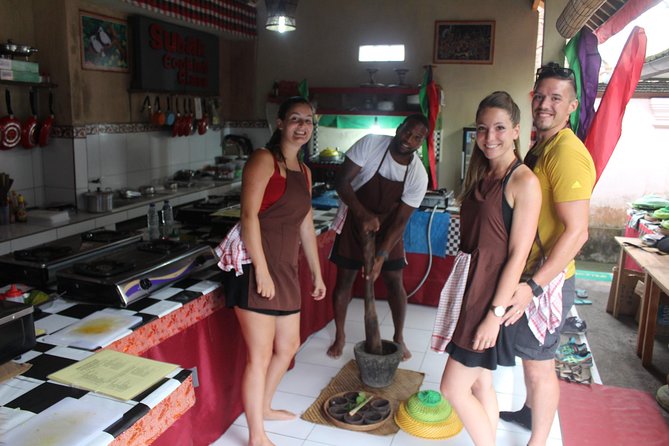
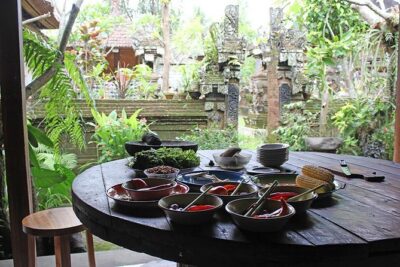
The class gives you a useful introduction to the foundations of Balinese cooking. Base gede, the basic spice paste, is especially important. It teaches you how a mixture of aromatics and spices forms the backbone of several dishes.
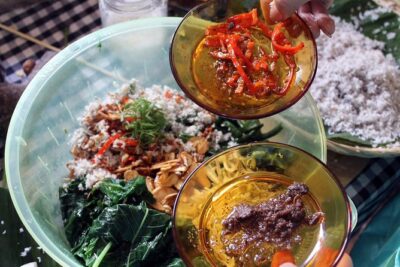
Sambal matah offers a different lesson. This raw mixture uses fresh spices and coconut oil, giving the meal a sharper, fresher element. Lawar combines vegetables with Balinese spices, while the soup provides a gentler dish to balance the stronger flavors.
The regular class includes chicken prepared in several ways: with coconut milk, as satay, and in banana leaf. The vegetarian class keeps the structure of the meal while using tofu and tempeh instead. This is more thoughtful than simply removing meat from the plate.
Spice levels can be adjusted to some degree. One account describes making the food with less spice while other people in the group preferred more heat. Tell the instructor early if you need mild food, but remember that chili is central to many Balinese recipes.
Klepon gives the class a sweet finish. These round sticky-rice cakes contain palm sugar and are boiled before serving. Making dessert helps round out the lesson, and it gives you another recipe that is quite different from the savory dishes.
Sitting Down to Eat What You Made
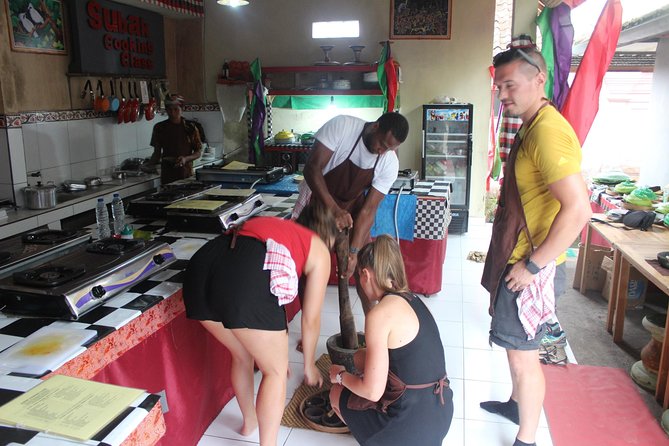
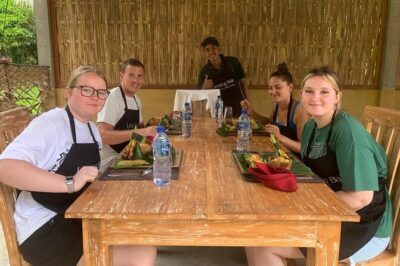
The final meal is the payoff. You sit down with the group and eat the dishes prepared during the class, with white rice served alongside the main courses.
This can be a surprisingly large amount of food. Several accounts describe leaving very full, and some food may be available to pack for the hotel if you cannot finish. That is useful, but do not count on a takeaway container for every leftover dish. Ask the staff at the end.
The meal also turns the class into a social experience. You compare dishes, share the table, and see how the separate recipes work together as a Balinese spread. The food is not a restaurant tasting menu, but it gives you a direct sense of freshness and balance because you have prepared it yourself.
The class includes mineral water, food tasting, and lunch or dinner. Alcoholic drinks are not included. Bring cash if you expect extra transport charges, and do not arrive after a large meal. The quantity is generous.
Is the $58 Price Good Value?
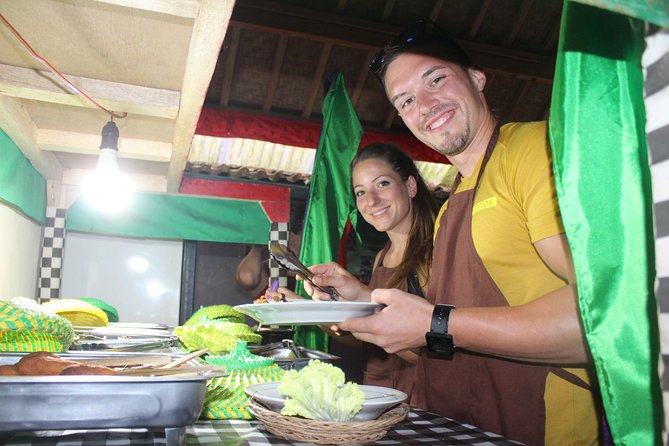
At $58, this is not the cheapest cooking lesson in Bali. The price makes more sense when you count the full package: transport within Ubud, a local guide, the morning market and rice-field visit, kitchen equipment, ingredients, a nine-dish meal, bottled water, and recipe copies.
You are paying for a half-day food and culture outing, not only for instruction. The market and rice paddies add context, while the final meal can replace a restaurant lunch or dinner. For a first visit to Bali, that combination gives you more than a short class held in a tourist district.
Value depends on the transport situation. If you stay in Ubud and receive the included pickup, the package is easier to justify. If you stay outside Ubud, added charges and a longer transfer can change the calculation. Confirm the total before you commit.
The group maximum of 14 keeps the price below a private lesson while still allowing personal help. The experience may feel less intimate than a two-person class, but the cooking stations help preserve hands-on time.
Who Should Book This Cooking Class?
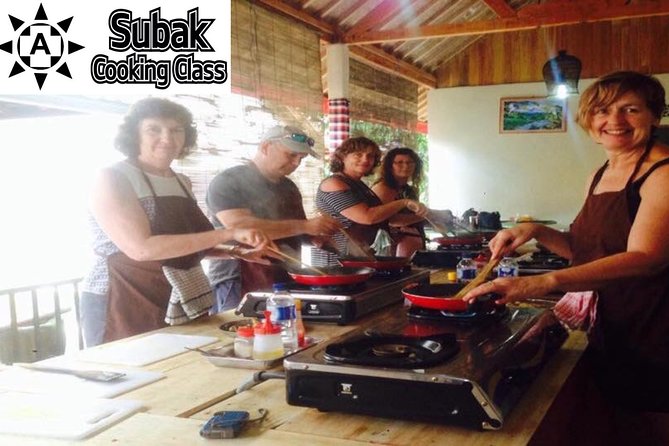
I would choose this for food lovers, families, couples, and anyone who wants an activity with both cultural context and a proper meal. It suits beginners because the instruction is guided, and it works well for people who want recipes they can try at home.
The morning class is best for you if you want:
- A local market visit with explanations of fruit, spices, vegetables, and sweets
- A look at rice farming and rural Bali
- A fuller half-day that combines sightseeing and cooking
- Time to taste ingredients before using them
The afternoon class is better if you prefer:
- A later start
- Making a traditional Balinese offering
- Cooking without the market stop
- A more direct route to the kitchen lesson
I would be cautious if you want a highly polished, quiet demonstration or if long car rides are a concern. The class can be lively, and kitchen noise may make it harder to hear at times. Tell the staff about dietary needs and spice preferences when you book, and confirm the meeting point rather than relying on an assumed hotel pickup.
Practical Details Before You Go
The experience begins and ends at Ubud Palace unless a different Ubud pickup is arranged. Confirmation is provided when you book, and you should show your reservation on the day.
The class runs for about five hours. The morning and afternoon options are not identical, so select carefully. Traditional market visits are morning-only, while making a Balinese offering is listed for the afternoon-only program.
The maximum group size is 14. Bottled water, equipment, food tasting, lunch or dinner, a local guide, and the recipes are included. Alcoholic drinks and extra transport outside Ubud are not included.
Free cancellation is available if you cancel at least 24 hours before the start time. Changes or cancellations made less than 24 hours before the experience are not accepted for a refund. These times follow Bali’s local time.
Should You Book It?
Book this class if you want a generous, friendly introduction to Balinese food and do not mind sharing a kitchen. The nine-dish menu, market visit, rice-field stop, and final meal offer strong value for a full half-day in Ubud.
Choose the morning option for the best all-round cultural experience. Choose afternoon if the market and rice fields matter less than making an offering and getting to the cooking.
I would not book it without checking pickup details if you are staying outside Ubud, and I would not expect a completely hands-off or quiet lesson. For most people who want to cook, eat, and learn how Balinese food fits into local life, this is a practical and satisfying choice.
FAQ
How long does the Balinese cooking class last?
The experience lasts approximately five hours, including the cultural visits offered with the selected session.
Where does the tour begin and end?
The stated meeting point is Ubud Palace at F7V7+72R, Jalan Raya Ubud No. 8. The activity ends back at the meeting point.
Is pickup included?
Pickup and drop-off are included within the Ubud area. Extra charges apply for pickup outside Ubud, and you should request and confirm this service in advance.
Is the market visit available for every session?
No. The traditional market visit is available only with the morning class. The morning option also includes a rice-paddy visit.
Can I choose vegetarian food?
Yes. You can choose a regular menu or a vegetarian menu. The vegetarian menu uses tofu and tempeh in place of the chicken dishes.
What is included in the price?
The price includes bottled water, food tasting, the meal you cook, kitchen equipment, recipe copies, a driver or guide, a local guide or host, and the listed morning or afternoon cultural activity. Alcoholic drinks and extra transport outside Ubud are not included.
More Shopping Tours in Ubud
- Balinese Cooking class with traditional morning market visit
★ 5.0 · 161 reviews - PRIVATE Ubud Market Tour & Balinese Cooking Class with Putu
★ 5.0 · 125 reviews - Ubud Cooking Class with Optional Market Visit Pickup Included
★ 5.0 · 70 reviews - Balinese Cooking Class with Traditional Market Tour
★ 5.0 · 66 reviews
Just added around Ubud
- Bali Airport Pick-up to Ubud (Arrival Transfer)★ 5.0 · 4 reviews
- Bali Airport: One-Way Private Transfer To/From Hotel★ 5.0 · 25 reviews
- Munduk Car Hire with English Speaking Driver★ 5.0 · 14 reviews
- Bali Airport – Arrival Transfer★ 5.0 · 5 reviews
- Bali ATV Quad Bike and White Water Rafting – All Inclusive★ 5.0 · 7 reviews
- Bali ATV Ride Ubud Jungle Track★ 4.5 · 5 reviews
- Bali All Inclusive : Tlaga Singha Infinity Pool & Atv Adventure★ 5.0 · 21 reviews
- Bali ATV Ride with Jungle Swing and Rice Terrace Tour★ 5.0 · 50 reviews
Cooking Classes, compared.
PRIVATE Authentic Balinese Cooking Class in Ubud at Putu’s Home
Read our review →
Learn to cook Indonesian food at Gili Cooking Classes Trawangan
Read our review →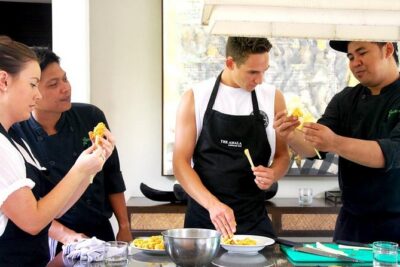
PRIVATE Balinese Cooking Class in Ubud with Dewa with Transfers
Read our review →Browse the lists this tour appears in