
Reviewed · BALINESE COOKING CLASSES
Balinese Cooking Class with Traditional Market Tour
Balinese cooking begins before the stove. You visit a local market with a guide, sort through unfamiliar produce, then learn why spice pastes matter as much as the finished dish. The best part is the hands-on work: you chop, grind, cook, and eat your own five-dish lunch.
I like the small group of four to 12, which gives the cooking instructor room to help with mortar work and sauces. I also like the door-to-door pickup, especially for a 7:30 a.m. start. The main thing to note is the timing: the cooking portion is listed at about two and a half hours, but the full outing from pickup to return takes roughly six hours.
In This Review
- Key points to know before booking
- Why this Ubud cooking class begins at the market
- Coffee, cake, and an organic garden lesson
- Cooking in a traditional compound home
- The five-dish lunch you prepare yourself
- What the group size means for your experience
- Pickup, timing, and the six-hour reality
- Is $58.16 good value in Ubud?
- Who should book this Balinese cooking class?
- Final decision: book it for food, not just lunch
- FAQ
- Where does the Balinese cooking class take place?
- What time does the experience start?
- How long does the whole experience take?
- Is hotel transportation included?
- How many people can join the cooking class?
- What food is included?
- Do I actually cook the food?
- Can I cancel for a refund?
Key points to know before booking
- The market comes first: You shop for cooking supplies in cooler morning air and see everyday Balinese food culture before class.
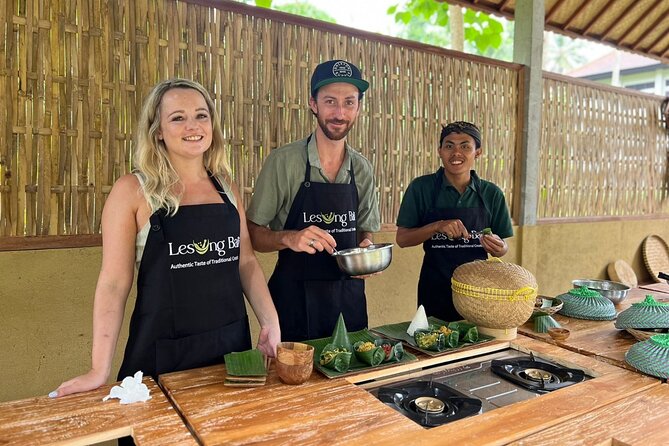
- The spice paste is the lesson: You prepare ingredients by chopping them on wood and grinding them in a traditional stone mortar.
- Lunch is made by you: The meal includes five dishes and one dessert, plus the welcome snack and drink.
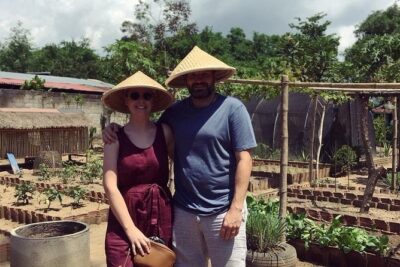
- The setting is personal: Cooking takes place in a traditional compound home with an organic garden.
- Pickup saves effort: Hotel collection and return transport are included, with a 7:30 a.m. start.
- Come hungry: The portions can be generous enough that finishing every dish may be a challenge.
Why this Ubud cooking class begins at the market
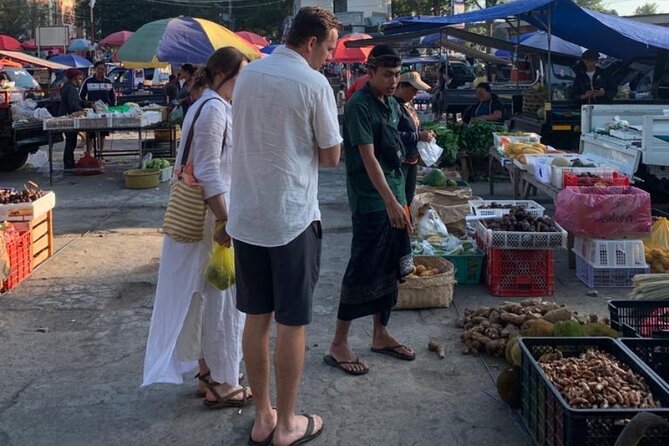
The early market visit is more than a quick shopping stop. It gives you a useful introduction to the ingredients you will handle later, while the morning air is still cooler. Your guide shows you the vegetables, fruits, herbs, and spices used in daily Balinese cooking, and you see how local people begin their day.
That timing matters. A market is easier to appreciate before the heat builds, and it lets you see food as part of ordinary life rather than as a display arranged for visitors. You are not simply handed a basket of ingredients at the cooking school. You see where the meal starts.
Guides named in past sessions include Ron and Nyoman, with Yoga handling hotel pickup on one outing. The experience depends partly on the individual instructor, but the guide-led market walk gives the morning a clear purpose. Ask questions as you go. This is the best moment to learn the names and uses of ingredients before the cooking gets busy.
The market is not presented as a long sightseeing tour. It is a working food market, so you should expect practical observation rather than a polished attraction. That is a strength if you want a look at everyday Bali, though anyone hoping for a slow photography stop may find the pace brisk.
More Balinese Cooking Classes in Ubud
- Ubud Cooking Class Bali with Balinese Chef
★ 5.0 · 1,609 reviews - PRIVATE Authentic Balinese Cooking Class in Ubud at Putu’s Home
★ 5.0 · 644 reviews - Balinese Farm Cooking Class by Pemulan Bali
★ 5.0 · 410 reviews
Coffee, cake, and an organic garden lesson
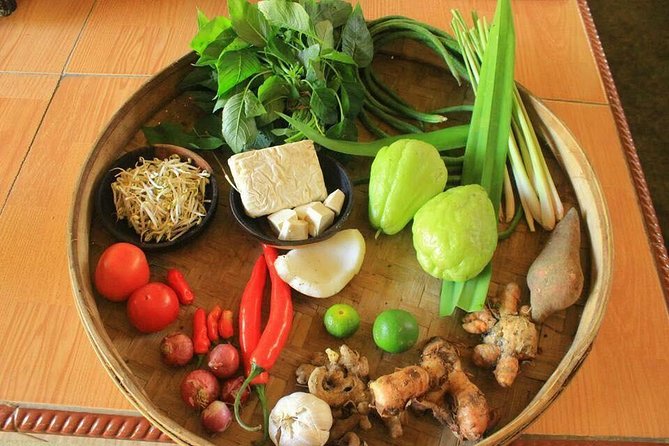
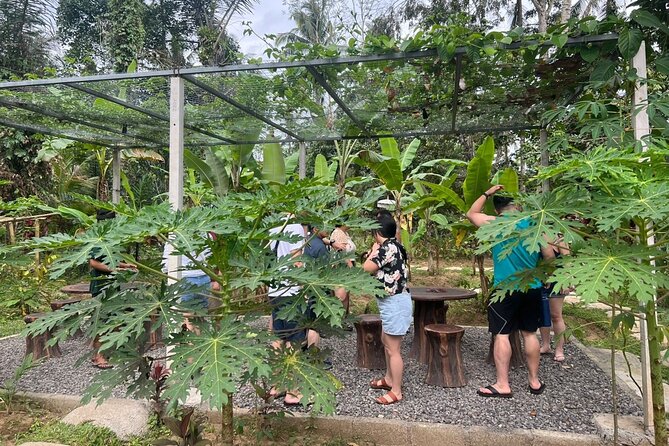
After the market, you visit an organic garden and enjoy coffee with cake while the guide introduces the herbs and spices. This pause helps connect the market produce with the plants themselves. It also gives you a breather before the hands-on cooking begins.
The garden is a useful part of the experience because Balinese food gets much of its character from seasoning. You learn to pay attention to the ingredients before they are chopped, crushed, or heated. The class is not only about following a recipe. It shows you how fresh herbs and spice mixtures build flavor.
I like this transition from market to garden to kitchen. Each stage answers a different question: Where do the ingredients come from? What do they look and smell like before preparation? How are they turned into a finished meal? That sequence makes the class easier to remember and repeat at home.
Coffee and cake are included as a welcome snack, not as the main meal. If you eat an early breakfast before pickup, keep it light. Lunch comes later, and the class includes several dishes.
Cooking in a traditional compound home
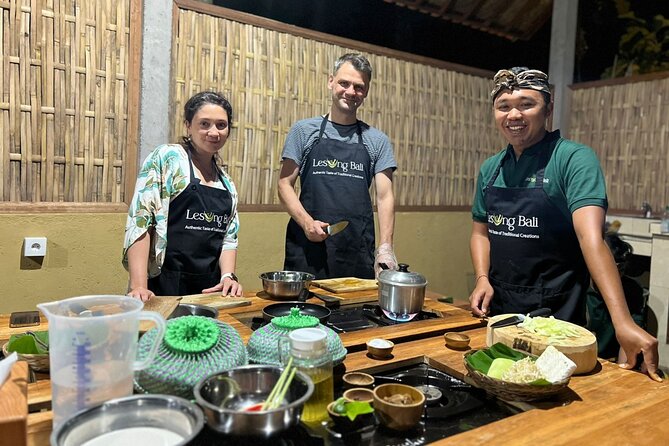
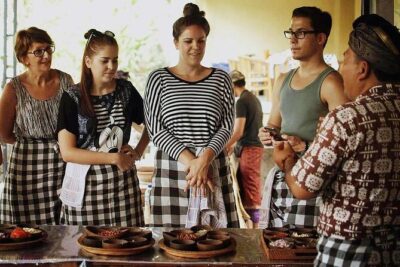
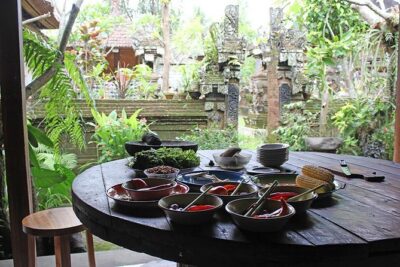
The main lesson takes place in a traditional Balinese compound home, using an open kitchen. This setting gives the class a stronger sense of place than a modern demonstration kitchen would. You are working in a home-style environment tied to the local architecture and daily cooking customs.
The class is designed to be fully hands-on. You prepare the ingredients and cook the dishes yourself, with the instructor guiding the process. That means the experience can feel active and focused rather than passive. You will not simply watch someone cook while taking a few notes.
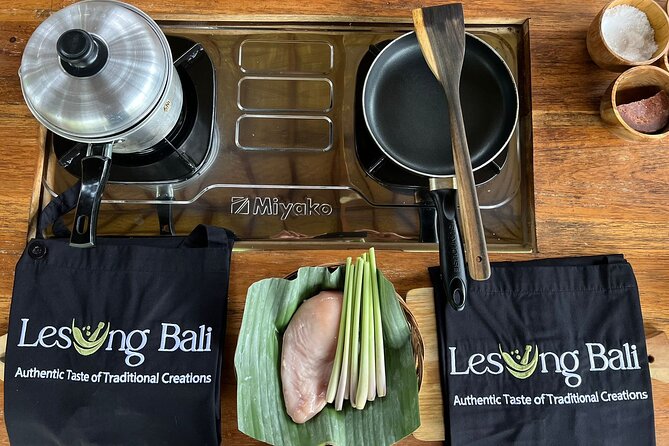
The most distinctive tool is the stone mortar. Balinese spice pastes are central to many dishes, and grinding them by hand changes how you understand the food. You feel the work involved in breaking down the ingredients, and you see how the texture develops before the paste reaches the pan.
You also learn two preparation methods. Some ingredients are chopped on a wooden chopping block, while others are ground in the stone mortar. Those methods are not just old-fashioned decoration. They produce different textures and give you a practical sense of how Balinese cooks prepare sauces and pastes.
This is where the class may feel full on, especially if you enjoy cooking and want to take part in every step. The reward is a meal you can connect directly to your own work. If you prefer a relaxed demonstration with little physical effort, this may be more demanding than expected.
The five-dish lunch you prepare yourself
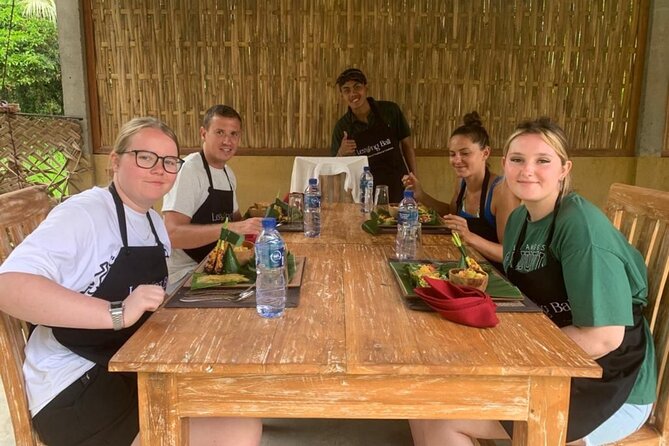
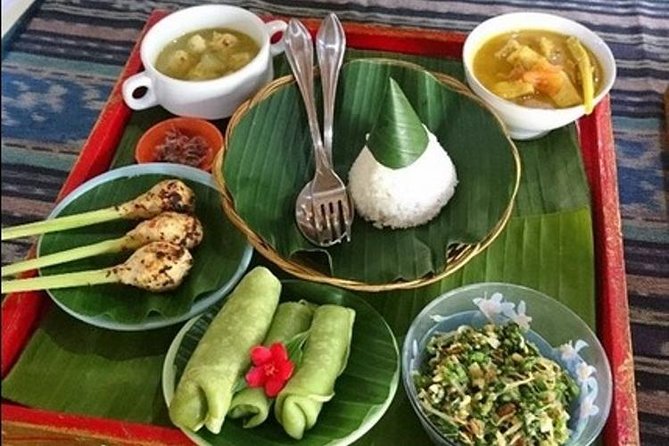
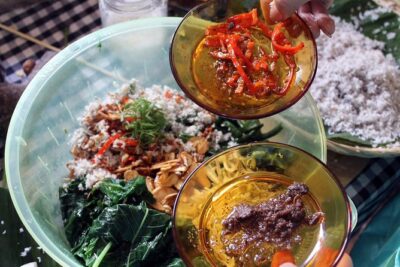
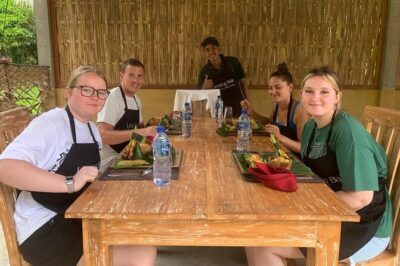
Once the cooking is finished, you sit down to eat the dishes you made. The package includes five dishes and one dessert, described as a five-course lunch. Bottled water is also included.
The meal is the payoff, but it is not the only point. Eating your own food helps you remember the techniques, particularly the spice paste and sauce preparation. You also gain a clearer idea of how separate ingredients come together across a Balinese meal.
Plan to arrive hungry. The portions can be generous, and it may be difficult to finish everything after the cooking work. That is a pleasant problem, but it is worth knowing if you have a small appetite or are planning a large meal soon afterward.
A certificate of cooking class is included at the end. It is a modest souvenir, but useful if you like keeping a record of hands-on activities. The more lasting souvenir is the method: chop some ingredients, grind others, then cook the paste in different ways.
Because the meal is made during the session, the exact dishes are not specified in the available details. Do not book this expecting a guaranteed list of named recipes. The reliable promise is the format: five dishes, one dessert, traditional tools, and lunch prepared by you.
Same island, a completely different day out:
- All-Inclusive Ubud Private Tour
★ 5.0 · 14,344 reviews - Best of Ubud Full-Day Tour with Jungle Swing
★ 5.0 · 8,571 reviews - Ubud: Monkey Forest, Jungle Swing, Rice Terrace, and Water Temple
★ 5.0 · 7,160 reviews - Best of Ubud 1-Day Private Tour
★ 5.0 · 4,451 reviews
What the group size means for your experience
Bookings are limited to six people, while the class can accommodate up to 12 participants. The advertised group range is four to 12. That is still small enough to feel more personal than a large culinary demonstration, though the experience will be more intimate at the lower end.
A group of four gives the instructor more time to watch each person use the mortar, chopping block, and cooking equipment. With 12 people, you should expect a livelier session and possibly more waiting at certain stages. The instructor remains important, since several people may be preparing food at the same time.
This format suits couples, families, and small groups who want to cook together. It also works for solo visitors who like meeting people through a shared task. The class is less suitable if you want a private lesson or need a highly customized menu, since no private format or dietary arrangements are provided in the information available.
The cooking can be social, but you still have a job to do. Pay attention when the instructor explains a technique, then ask for help when your paste or preparation does not look right. The practical nature of the session is one of its main strengths.
Pickup, timing, and the six-hour reality
Pickup is offered from your accommodation, followed by return to the original pickup point. This is included in the price, along with the market visit, instructor, welcome drink and snack, lunch, certificate, bottled water, and cooking ingredients for the included dishes.
The day starts at about 7:30 a.m., with the market visit taking place around 7:30 to 8:00. Starting early helps with outdoor comfort and gives the market visit a more natural feel. It also means you need to be ready at your accommodation in the morning rather than treating this as a late-start activity.
The cooking experience itself is listed at approximately two hours and 30 minutes. The full schedule, from pickup through drop-off, is approximately six hours. That difference likely reflects transport, the market, garden introduction, cooking, and lunch, so leave most of the morning and part of the afternoon free.
The pickup arrangement is especially useful if you are staying outside central Ubud or do not want to arrange a taxi before sunrise. You should still confirm the pickup details at booking, since your accommodation location affects the transport portion of the day.
Is $58.16 good value in Ubud?
At $58.16 per person, this is not the cheapest way to eat in Bali. It is also more than a simple market walk or a basic restaurant meal. The value comes from the number of separate elements bundled together: hotel transport, a market visit, garden introduction, instruction, cooking tools, a substantial meal, drinks, dessert, and a certificate.
I would judge the price by how much participation you want. If you only want to taste Balinese food, spend less at a local restaurant. If you want to understand how the food is made and take part from market to table, the package is more convincing.
Round-trip transport adds real value. You avoid arranging an early ride, finding the cooking school, and getting back afterward. The small group also matters, since personalized guidance is more useful when you are working with traditional tools rather than simply watching a chef.
The strongest value is for people who cook at home after a trip. The stone mortar, chopping method, and sauce preparation give you techniques to remember. The certificate is a nice extra, but it should not be the reason you book.
Who should book this Balinese cooking class?
I would recommend this experience to you if food is one of your main ways of understanding a place. It suits people who enjoy markets, practical demonstrations, and meals that take effort to prepare.
It is also a good fit for couples. One person can work at the chopping block while the other handles the mortar, then you share the finished lunch. Families and small friend groups should find the shared tasks easy to enjoy, provided everyone is comfortable with an early start.
This class is less ideal for anyone who wants a short activity. The advertised cooking session is two and a half hours, but the full outing takes about six hours with transport. It is also not the right choice if you dislike hands-on work, cannot manage a generous meal, or need a confirmed recipe list before booking.
The experience has earned a five-star rating from 66 reviews with a 100 percent recommendation rate, and the praise centers on the food, cultural context, market visit, and helpful staff. Specific service details matter too: Yoga was described as punctual and able to communicate well in English, while Ron and Nyoman led market introductions in other sessions.
Final decision: book it for food, not just lunch
Book this class if you want a morning built around local ingredients, traditional preparation, and your own cooking effort. The market and garden make the lesson more than a recipe session, while the open kitchen and stone mortar give it a clear Balinese identity.
Skip it if you want a quick Ubud activity or a fixed menu of named dishes. For everyone else, the combination of early market access, small-group instruction, included transport, and a five-dish lunch makes the $58.16 price reasonable. Cancel at least 24 hours before the start time if your plans change, since later cancellations are not refundable.
FAQ
Where does the Balinese cooking class take place?
The class takes place in a traditional Balinese compound home with an open kitchen in the Ubud area.
What time does the experience start?
Pickup and the traditional market visit begin at about 7:30 a.m. The market portion is scheduled around 7:30 to 8:00 a.m.
How long does the whole experience take?
The cooking experience is listed at approximately two hours and 30 minutes. The full outing, including pickup and drop-off, takes approximately six hours.
Is hotel transportation included?
Yes. Hotel pickup and drop-off are included, with return to the original pickup point.
How many people can join the cooking class?
The activity has a maximum of 12 participants. Individual bookings are limited to six people, and the advertised group size is four to 12 participants.
What food is included?
You prepare and eat five dishes plus one dessert. The experience also includes a welcome drink and snack, lunch, and bottled water.
Do I actually cook the food?
Yes. The preparation and cooking are hands-on. You use traditional utensils and techniques, including chopping on a wooden block and grinding spices in a stone mortar.
Can I cancel for a refund?
You can cancel up to 24 hours before the experience start time for a full refund. Cancellations or changes made less than 24 hours before the start time are not accepted for a refund.
More Markets in Ubud
- PRIVATE Ubud Market Tour & Balinese Cooking Class with Putu
★ 5.0 · 125 reviews - Ubud Cooking Class with Optional Market Visit Pickup Included
★ 5.0 · 70 reviews - Active Volcano, Rice Field, Hot Spring, Fruit market, Tea Plantation with Lunch
★ 5.0 · 513 reviews - Yogyakarta Cooking Class and Market Tour
★ 5.0 · 99 reviews
More Cooking Classes in Ubud
- Balinese Ubud cooking school (9 Dish Cooking and Market Tour)
★ 5.0 · 540 reviews - Balinese Authentic Cooking Class in Ubud
★ 5.0 · 239 reviews - PRIVATE Balinese Cooking Class in Ubud with Dewa with Transfers
★ 5.0 · 213 reviews - Balinese Cooking class with traditional morning market visit
★ 5.0 · 161 reviews
Just added around Ubud
- Bali Airport Pick-up to Ubud (Arrival Transfer)★ 5.0 · 4 reviews
- Bali Airport – Arrival Transfer★ 5.0 · 5 reviews
- Bali Airport: One-Way Private Transfer To/From Hotel★ 5.0 · 25 reviews
- Munduk Car Hire with English Speaking Driver★ 5.0 · 14 reviews
- Bali ATV Quad Bike and White Water Rafting – All Inclusive★ 5.0 · 7 reviews
- Bali ATV Ride Ubud Jungle Track★ 4.5 · 5 reviews
- Bali All Inclusive : Tlaga Singha Infinity Pool & Atv Adventure★ 5.0 · 21 reviews
- Bali ATV Ride with Jungle Swing and Rice Terrace Tour★ 5.0 · 50 reviews
Balinese Cooking Classes, compared.
PRIVATE Authentic Balinese Cooking Class in Ubud at Putu’s Home
Read our review →
PRIVATE Balinese Cooking Class in Ubud with Dewa with Transfers
Read our review →Browse the lists this tour appears in