
Reviewed · BALINESE COOKING CLASSES
Yogyakarta Cooking Class and Market Tour
The best part of this Yogyakarta experience is that the meal begins at a traditional market, not in a classroom. You help choose the vegetables, herbs, meat, and spices, then carry those ingredients to a village home where the cooking has real local context. Tumpeng yellow rice, once prepared for ceremonial offerings, gives the class a useful cultural thread.
I like the personal scale and the food value. The class includes a market visit, a rice plantation, transport, ingredients, recipes, and a full meal for $35. I also like the human touch: guides such as Arma and Desi have shared stories about Java, helped with local drinks, and welcomed participants into their homes.
The main consideration is that the teaching style may vary. Some people receive detailed explanations and plenty of help, while one participant felt there was too little room to create dishes independently. If you want a polished culinary school with exact measurements and lots of personal experimentation, ask about the format before booking.
In This Review
- Key points to know before booking
- Starting at the Yogyakarta market
- Seeing how Java grows its rice
- Entering a traditional home in Bantul
- Cooking tumpeng and a full Javanese menu
- Eating what you prepared
- What the $35 price really covers
- How the guides shape the experience
- Who should book this cooking class
- Timing, group size, and practical planning
- Should you book the Yogyakarta Cooking Class and Market Tour?
- FAQ
- How much does the Yogyakarta cooking class cost?
- How long does the experience last?
- Is hotel pickup included?
- What does the cooking class include?
- What food will I prepare?
- Does the experience include a market visit?
- How many people can join?
- Can I cancel for a full refund?
Key points to know before booking
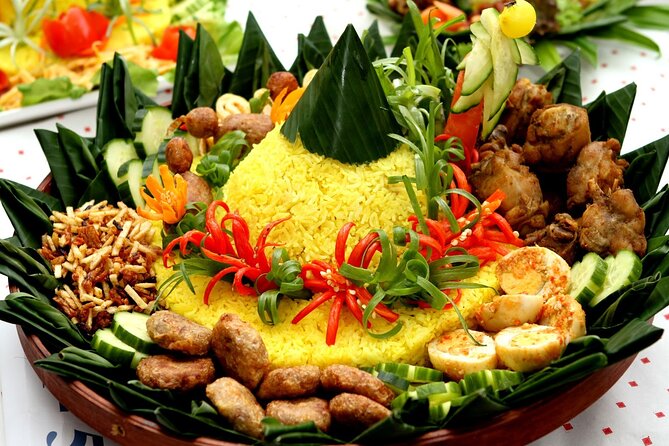
- Tumpeng yellow rice gives the class cultural meaning: You learn about a dish tied to older Javanese ceremonies and offerings.
- The market visit is part of the lesson: You select ingredients with the chef instead of beginning with food already laid out.
- The class takes place in a village home: The setting offers a more personal look at everyday Javanese hospitality.
- You cook a generous menu: The planned meal includes one starter, four main courses, and one traditional dessert.
- Transport is included: Hotel pickup and drop-off are available in Yogyakarta.
- A small group makes conversation easier: The maximum group size is 15, and some sessions may be private or nearly so.
Starting at the Yogyakarta market
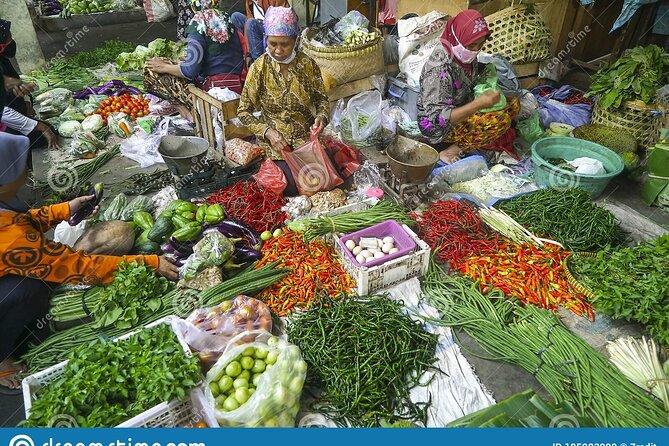
The morning begins with hotel pickup in Yogyakarta and a visit to a local fresh-food market. This is not just a quick stop for photographs. You help select the ingredients used later, choosing from the vegetables, herbs, meat, and spices on display.
That shopping step matters because Indonesian cooking depends heavily on fresh aromatics and spice combinations. You get to see the raw materials before they are chopped, ground, or cooked. Your chef can also explain what each ingredient does, how it is used in Java, and why a dish tastes the way it does.
The market is likely to be the most active part of the outing. You should expect a working food market rather than a tidy cooking-school display. That means changing sounds, unfamiliar produce, and a pace shaped by local shoppers. Wear shoes you can walk in and keep your belongings secure.
The exact amount of instruction at the market may depend on your guide. Arma is praised for mixing food instruction with stories about Yogyakarta and Indonesia, while Desi, also spelled Desy, is described as patient and clear. If you have questions about ingredients, ask them right away. This is your best chance to connect the food on your plate with the food culture around you.
The market visit also helps explain the price. A cooking class that starts at a hotel kitchen can skip this part entirely. Here, your $35 includes an everyday local setting and a practical shopping lesson before the cooking starts.
More balinese cooking classes in Yogyakarta:
- Ubud Cooking Class Bali with Balinese Chef
★ 5.0 · 1,609 reviews - PRIVATE Authentic Balinese Cooking Class in Ubud at Putu’s Home
★ 5.0 · 644 reviews - Balinese Farm Cooking Class by Pemulan Bali
★ 5.0 · 410 reviews
Seeing how Java grows its rice
The itinerary continues to a rice plantation, where you learn how Java’s staple crop is cultivated and prepared. The stop adds useful context to the meal, especially since rice is more than a side dish in Indonesia. It is a daily foundation of the local diet and a central part of the tumpeng lesson.
You will also have time to take in the surrounding countryside. The description does not promise a long farm visit or hands-on planting, so think of this as a short agricultural stop rather than a full rural tour. Still, it breaks up the drive and gives you a clearer sense of where a key ingredient begins.
This part may matter most to anyone who wants the food lesson to reach beyond recipes. You are not only learning how to season rice. You are seeing the crop that supports the meal and much of daily life in Java.
Entering a traditional home in Bantul
After the market and rice stop, you continue to the traditional village of Bantul. The cooking takes place in a local home, and that setting is one of the strongest reasons to choose this experience.
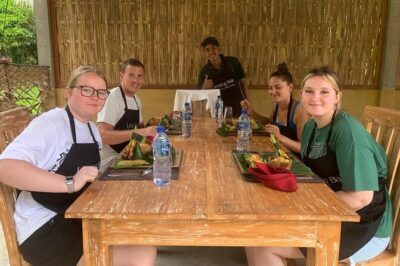
A home kitchen changes the mood. You are not simply standing at a work station while an instructor demonstrates a recipe. You are welcomed into a family setting, share a table, and get a glimpse of how hospitality works in a Javanese village. One family has also offered fresh coconut, tea, and a comfortable place to rest when someone felt unwell.
The home setting can be especially good for couples and families. One couple had the class to themselves, which made the session feel private and relaxed. Another family described cooking and sharing stories together, with a child’s enjoyment becoming part of the day.
You should also keep your expectations realistic. A home kitchen may not operate like a professional teaching kitchen. Space, equipment, and the order of instruction can vary. The description promises guidance from an English-speaking chef, but not a formal cooking-school setup. That informal quality is part of the charm, though it may frustrate you if you want to control every step.
Cooking tumpeng and a full Javanese menu
The central lesson focuses on Java, including tumpeng yellow rice. Traditionally, tumpeng was prepared for ceremonies and offered to gods. Learning this dish gives the class a stronger cultural angle than a basic lesson in fried rice or noodles.
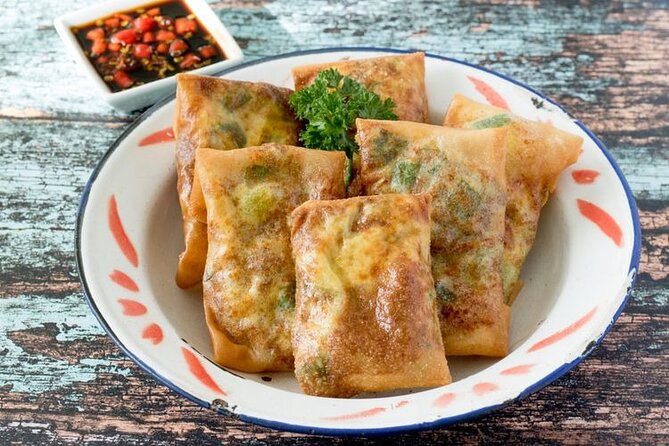
The planned menu includes one starter, four main courses, and one authentic dessert. That is a lot of food for a three-hour session, so expect the emphasis to be on shared preparation and a broad introduction to Javanese cooking rather than a slow master class on one recipe.
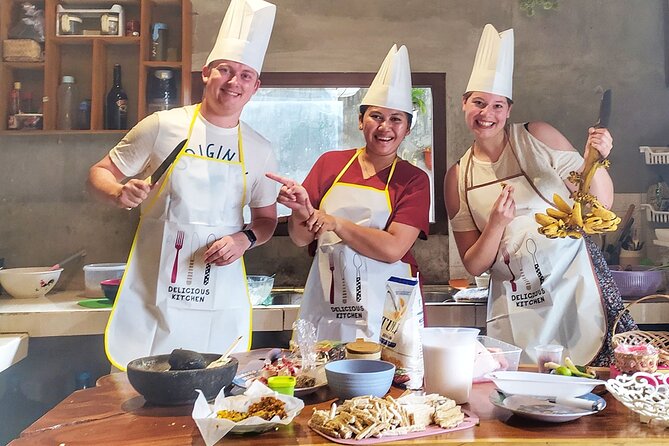
You will receive a short briefing and a recipe handbook before the cooking begins. The chef then provides guidance and assistance as you prepare the dishes. Some people have found the instruction easy to follow, especially with Desi, while another participant wanted more explanation and more freedom to adjust the food.
To get the most from the class, ask the chef to explain the role of each spice before it goes into the pan. Ask which steps are essential and which can be changed at home. If you cook often, you may want to request approximate quantities, cooking times, and possible ingredient substitutions. The recipe booklet helps, but active questions will make the lesson more useful.
The food is clearly a major strength. The class uses a wide range of ingredients and techniques, and one participant left with a new fondness for tempeh. You should come hungry. With a starter, four main courses, and dessert, the final meal is meant to be substantial.
A few more Yogyakarta trips to weigh up
- Balinese Ubud cooking school (9 Dish Cooking and Market Tour)
★ 5.0 · 540 reviews - Learn to cook Indonesian food at Gili Cooking Classes Trawangan
★ 5.0 · 352 reviews - Balinese Cooking Class in Seminyak
★ 5.0 · 281 reviews - Anggrek Putih Lombok Cooking Class
★ 5.0 · 253 reviews
Eating what you prepared
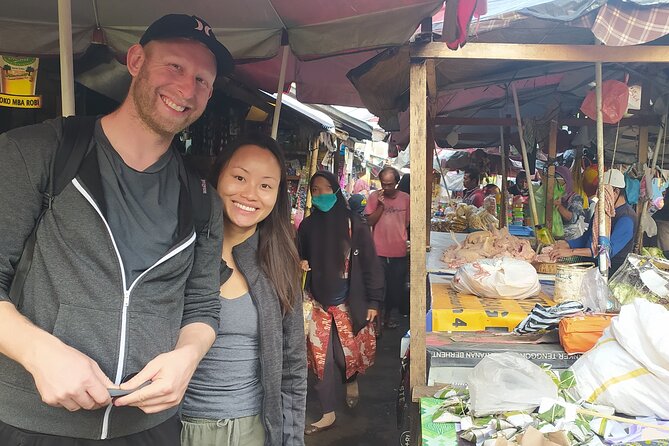
At lunchtime, or after an afternoon session, you sit down to eat the dishes you made. This is where the class pays off. You can taste how the market ingredients, spice work, and cooking methods came together.
The meal also gives you time for questions and conversation. Your guide may share more about the dishes, local customs, or Yogyakarta during this final portion. Arma, in particular, has been praised for connecting the cooking with stories about Indonesian history and culture.
Drinks are included in the experience. You may be served homemade hibiscus tea or traditional wedang uwuh, described here as a eucalyptus drink. These offer a pleasant contrast to the meal and add another small piece of local food culture.
Do not expect a restaurant-style presentation or a menu with fixed choices listed in advance. The practical value is in preparing and eating a Javanese meal in the home where the class takes place. If you have allergies, dietary restrictions, or foods you avoid, contact the provider before booking. The available information does not specify vegetarian, vegan, halal, or allergy-adapted menus.
What the $35 price really covers
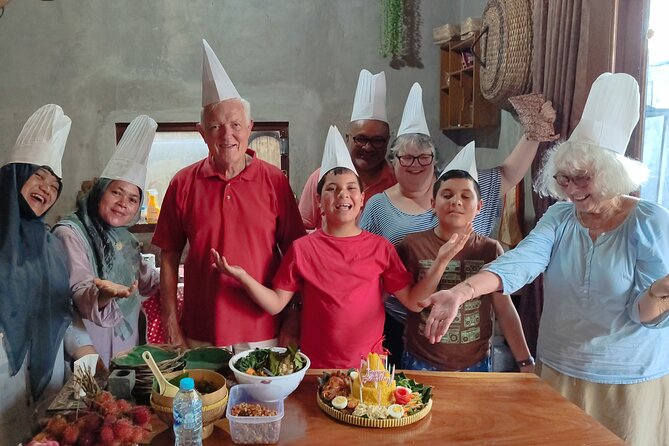
At $35 per person, this is good value if you use the entire package. The price includes an English-speaking teacher, all ingredients, the market tour, the recipe, the cooked meal, and hotel pickup and drop-off in Yogyakarta. You are not paying only for a cooking demonstration.
Transport matters here. The experience includes several settings: your hotel, a local market, a rice plantation, and Bantul village. Having pickup and drop-off arranged makes the morning easier, especially if you do not know the roads outside central Yogyakarta.
The value becomes even better for a private or very small booking. A group of two can receive more direct help and have more conversation with the family. The official maximum is 15 people, so you should ask about the expected group size if personal instruction is important to you. A full group could feel more social but may mean less hands-on attention.
Personal expenses are not included. The supplied information does not list extra activities or compulsory fees, so you should simply budget for anything you choose to buy separately.
The experience is commonly booked about 24 days in advance. That does not guarantee every date will sell out, but it is a useful planning signal. If the class is important to your Yogyakarta schedule, reserve before your trip rather than leaving it to the last morning.
How the guides shape the experience
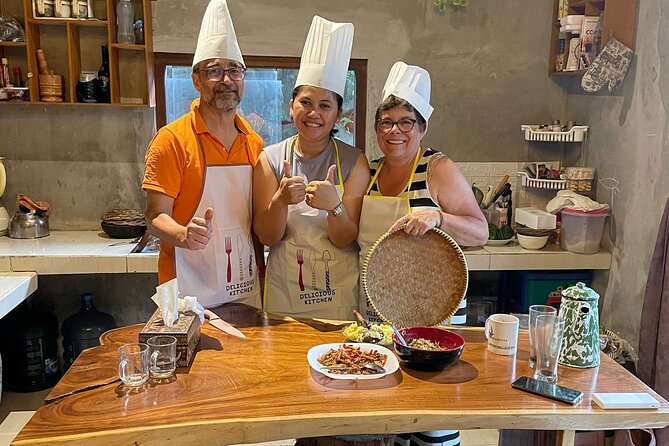
The people leading the class matter as much as the menu. Arma is associated with food instruction mixed with stories about Yogyakarta and Indonesia. Desi or Desy is praised for her calm teaching and her home-based welcome.
This is not a single scripted performance with one guaranteed instructor named in the description. Your experience may differ depending on who leads the session and whether the class is held in a particular family home. That explains why the teaching feedback is not completely uniform.
The warmest moments come from the informal care around the meal. Hosts have offered fresh coconut, helped someone who was feeling ill, and arranged an optional visit to a civet coffee location when a participant showed interest. Those extras should not be treated as guaranteed inclusions, but they show the kind of personal exchange that can happen.
Communication by WhatsApp may be useful. One participant specifically suggested having the app ready for contact. Since hotel pickup is included, make sure the provider has your correct hotel details and a working way to reach you.
Who should book this cooking class

I would choose this for you if you want food tied to daily life, family hospitality, and local agriculture. It suits couples, families, and curious eaters who enjoy learning by doing rather than watching a chef work from a distance.
It is also a good fit for people who want a softer day outside central Yogyakarta. The village setting is about 20 minutes from the city according to one description, giving you a change of pace without requiring a full-day excursion.
Families should find the format welcoming, though children’s participation is not described in detail. The activity says most people can take part, but the cooking includes market walking and kitchen work. Tell the provider about any mobility, dietary, or health concerns before booking.
You may want another class if you need a precise culinary curriculum, advanced knife instruction, or complete control over recipe choices. The menu is broad, and the teaching can be personal and informal. That is excellent for cultural contact, but less ideal for someone seeking a professional chef-training session.
Timing, group size, and practical planning
The experience lasts about three hours. It is offered in a morning or afternoon format, but the detailed schedule describes an early market visit followed by cooking and lunch. Confirm the start time when you book so you know whether to expect lunch or dinner.
Hotel pickup and drop-off are included for hotels in Yogyakarta. The route includes several stops, so allow some flexibility around the three-hour estimate. A maximum of 15 people is stated, while some sessions may be private.
Free cancellation is available if you cancel at least 24 hours before the local start time. Changes or cancellations made inside that window are not accepted for a refund. Confirmation arrives when you book.
Bring a phone with WhatsApp if possible, comfortable clothing, and an appetite. Ask in advance about spice levels, meat choices, and dietary needs. The class provides the food and ingredients, but personal expenses are your responsibility.
Should you book the Yogyakarta Cooking Class and Market Tour?
Book it if you want an affordable, personal introduction to Javanese food that includes the market, the countryside, and a family home. The mix of tumpeng, rice farming, fresh ingredients, and shared cooking gives the three-hour outing more substance than a standard recipe lesson.
I especially like the included transport and the chance to cook a large meal for $35. Arma and Desi have each been praised for adding cultural stories and patient guidance, while the home setting can make the class feel genuinely welcoming.
Go in expecting an informal village experience, not a tightly controlled culinary workshop. Ask questions, request more explanation when needed, and confirm the menu or dietary arrangements ahead of time. If that sounds like your kind of afternoon, this is one of the more useful ways to connect Yogyakarta’s food with its people and places.
FAQ
How much does the Yogyakarta cooking class cost?
The price is $35 per person. Group discounts are offered, though the available information does not state the discount amount.
How long does the experience last?
The experience lasts about three hours. It may be available as a morning or afternoon session.
Is hotel pickup included?
Yes. Pickup and drop-off are included for hotels in Yogyakarta.
What does the cooking class include?
The package includes an English-speaking chef or teacher, all ingredients, a recipe, the market tour, and the meal you prepare.
What food will I prepare?
You prepare one starter, four main courses, and one authentic dessert. The class also teaches tumpeng yellow rice, a dish with older ceremonial significance in Java.
Does the experience include a market visit?
Yes. You visit a local fresh-food market and help select vegetables, herbs, meat, and spices for the class.
How many people can join?
The maximum group size is 15 people. Some sessions may be private or have only a small number of participants.
Can I cancel for a full refund?
Yes, if you cancel at least 24 hours before the experience begins. Cancellations or changes made less than 24 hours before the local start time are not refunded.
More Shopping Tours in Yogyakarta
- Balinese Cooking Class with Traditional Market Tour
★ 5.0 · 66 reviews - Ubud Experience ; Swing, Waterfalls, Art Market, Rice Terrace
★ 5.0 · 56 reviews - Jakarta City Tour: Shopping & Culinary Experience
★ 4.5 · 15 reviews - Bali Arts shopping with temples-waterfall visit.
★ 5.0 · 6 reviews
More Markets in Yogyakarta
- Active Volcano, Rice Field, Hot Spring, Fruit market, Tea Plantation with Lunch
★ 5.0 · 513 reviews - Balinese Cooking class with traditional morning market visit
★ 5.0 · 161 reviews - PRIVATE Ubud Market Tour & Balinese Cooking Class with Putu
★ 5.0 · 125 reviews - Ubud Cooking Class with Optional Market Visit Pickup Included
★ 5.0 · 70 reviews
Just added around Yogyakarta
- Borobudur: Village Tour with Pottery and Tofu Making★ 5.0 · 34 reviews
- Private Borobudur Village Trip By Volkswagen Safari★ 5.0 · 3 reviews
- Chicken Church at Karangrejo Village Admission Ticket★ 4.5 · 3 reviews
- Borobudur Private Tour From Semarang Port★ 4.5 · 12 reviews
- Chicken Church Local Attraction Near Of Borobudur Temple★ 3.5 · 18 reviews
- Yogyakarta: Borobudur Temple Climb Up and Prambanan Temple Tour★ 5.0 · 53 reviews
- Borobudur Temple Combined Ticket Admissions★ 5.0 · 7 reviews
- 5 Days Borobudur Prambanan Tumpaksewu Bromo Ijen to Bali Private★ 5.0 · 9 reviews
Balinese Cooking Classes, compared.
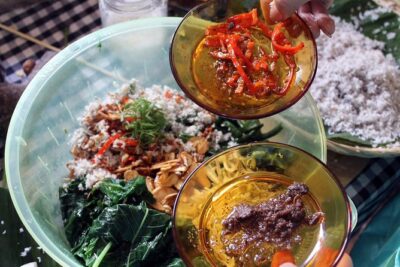
PRIVATE Authentic Balinese Cooking Class in Ubud at Putu’s Home
Read our review →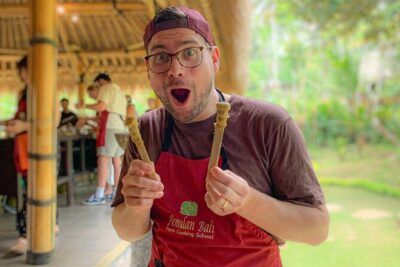
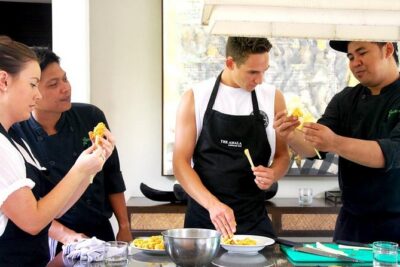
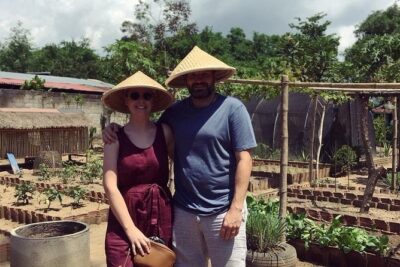
PRIVATE Balinese Cooking Class in Ubud with Dewa with Transfers
Read our review →Browse the lists this tour appears in